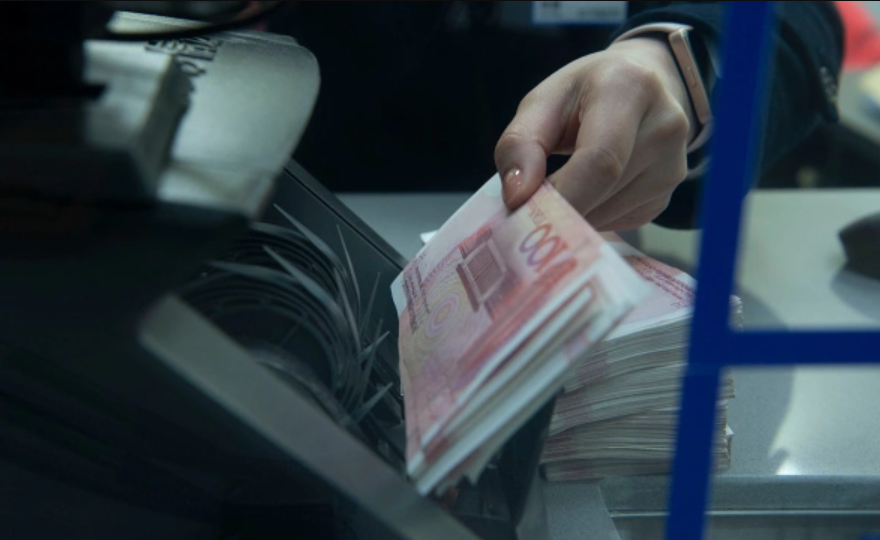
Media reports say China’s state-owned banks are tightening curbs on funding to Russian clients after the US authorized secondary sanctions on overseas financial firms that aid Moscow’s war effort in Ukraine.
Bloomberg reported on January16 that the people, asking not to be identified, say at least two Chinese banks ordered a review of their Russian business in recent weeks, focusing on cross-border deals. According to them, banks will sever ties with clients on the sanctions list and will stop providing any financial services to the Russian military industry regardless of the currency or the location of the transactions, said the people.
The lenders are reportedly stepping up due diligence on clients, including checks on whether their business registrations, authorized beneficiaries and ultimate controllers are from Russia. The review will be extended to non-Russian clients conducting business in Russia or transfer critical items to Russia through a third country, they said.
Bloomberg notes that the move marks an escalation of curbs Chinese state banks had in place since at least early 2022, after Russia’s invasion of Ukraine triggered a wave of sanctions from nations including the US.
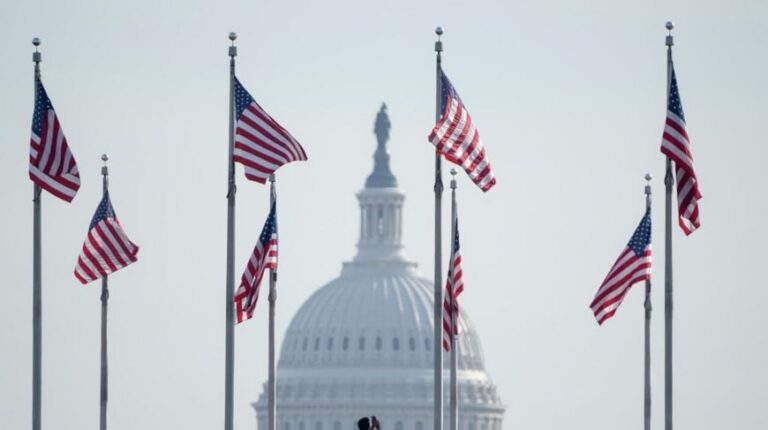
The US Treasury Department said last month it would use secondary sanctions against banks that facilitate deals for Russia to procure equipment necessary for its war machine, expanding its financial battle against President Vladimir Putin.
The National Financial Regulatory Administration didn’t immediately respond to a request for a comment. The development underscores the extent to which China is complying with US sanctions despite its opposition to them in principle and pledges to maintain economic ties with Russia. President Xi Jinping’s government has reportedly avoided supplying any major military aid to Russia, even as it provides diplomatic backing to Putin and steps up trade in areas not prohibited by sanctions.
China’s exports to Russia have surged over the course of the war and the nation has become the largest importer of fossil fuels from Russia, with coal shipments more than doubling since 2020.
Sanctions have reportedly deprived Russia’s central bank of access to about half of its international reserves, leaving it in possession of only gold and yuan. Use of the Chinese currency has risen with the share of yuan-based settlement climbing to 27% as of September from 15% at the end of 2021.
In finance, Russian banks in 2022 turned to China’s UnionPay after Visa Inc. and Mastercard Inc. suspended operations.
The nation’s biggest four state-owned banks reportedly have a history of complying with previous US sanctions against Iran, North Korea to avoid losing access to the US dollar clearing system.