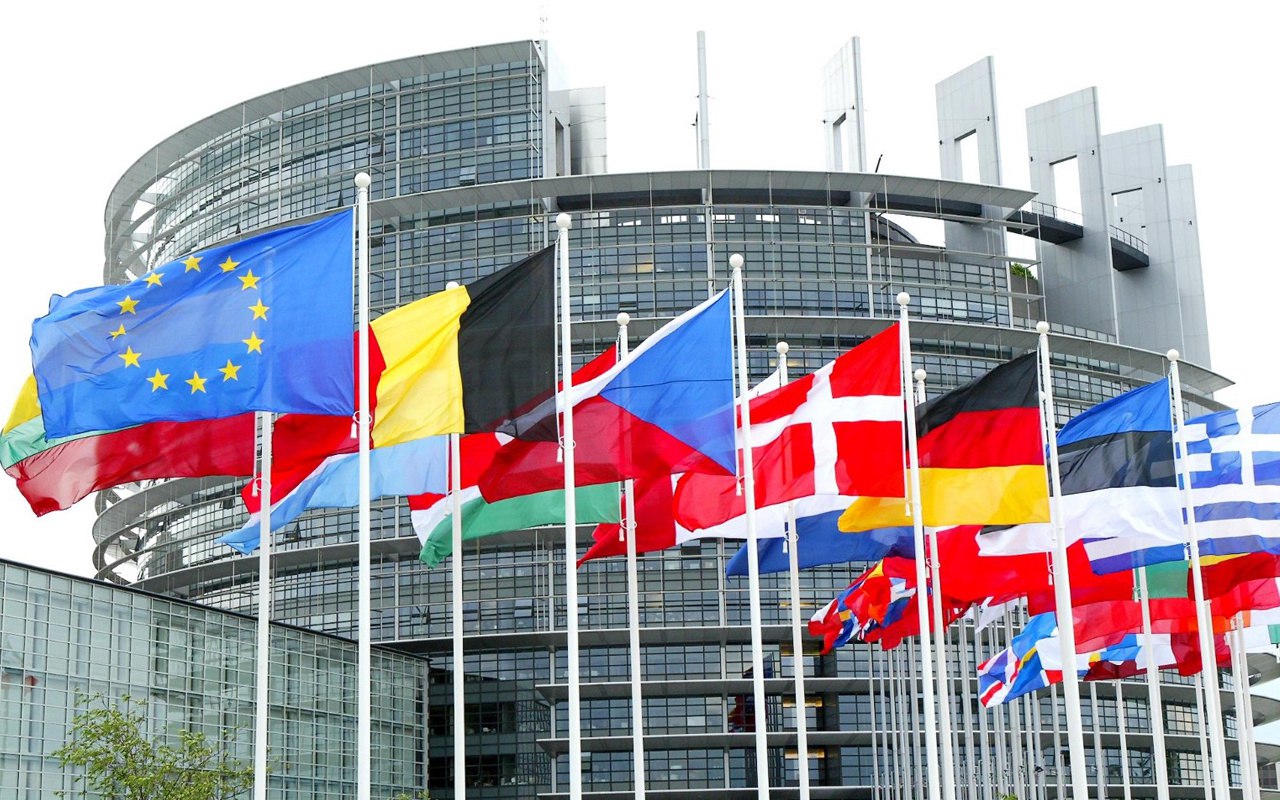
The European Parliament has adopted a resolution to review the European Union (UN)'s strategy for Central Asian countries.
According to the European Parliament, 629 members participated in the vote, with 543 expressing support for the document, 44 abstaining, and 42 voting against.
The document acknowledges that significant external factors have impacted the region since the adoption of the EU strategy on Central Asia in 2019.
"Central Asia is a region of strategic interest to the EU in terms of security and connectivity, as well as energy and resource diversification, conflict resolution, and the defense of the multilateral rules-based international order," the report reads.
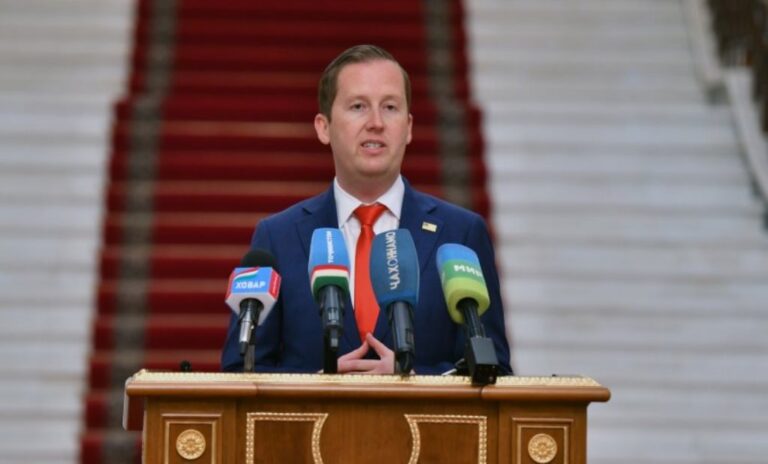
The main objective of the resolution prepared by the rapporteur of the European Parliament Committee for Foreign Affairs Karsten Lucke, is in calling on the countries of the region to comply with international human rights obligations.
The resolution, in particular, expresses concern about widespread impunity for human rights violations, persecution of journalists, bloggers, human rights and civil society activities activists on charges of alleged extremism, dissemination of false information and impartial investigation into statements on tortures and other human rights violations.
The document also calls on the European Union delegations to Central Asia’s nations to actively monitor the local situation, attend court hearings, work with human rights activists and respond to human rights violations and political persecution, visit political prisoners.
Central Asia is gradually becoming more important region for the EU. The EU has steadily intensified diplomatic relations with the region, at the same time as ramping up development aid. European trade and investment have reportedly made the EU the main economic player in Central Asia, ahead of Russia and China.
Since the adoption of the EU Central Asia Strategy in 2019, cooperation between the EU and Central Asia has further advanced in many areas and serves as an example of a multilateral partnership for resilience, prosperity and sustainability. Both sides have shown interest in intensifying their engagement. New initiatives, including the EU’s Global Gateway and the Green Deal, provide a framework for the green and digital transitions while increasing trade, investment and connectivity.
A joint roadmap for deepening ties between the EU and Central Asia builds on the discussions between the leaders of both regions and aims to help advance dialogue and practical cooperation in selected five key areas to enhance overall EU-Central Asia relations.
Partnership and Cooperation Agreements (PCAs) as well as Enhanced Partnership and Cooperation Agreement (EPCAs) increasingly provide a legal basis to strengthen the bilateral relations between the EU and the Central Asia countries.
The EU recognizes the strategic importance of Central Asia, which links the huge Asian continent with Europe. In 2019, the EU updated its Central Asia strategy to focus on resilience (covering areas such as human rights, border security and the environment), prosperity (with a strong emphasis on connectivity) and regional cooperation.