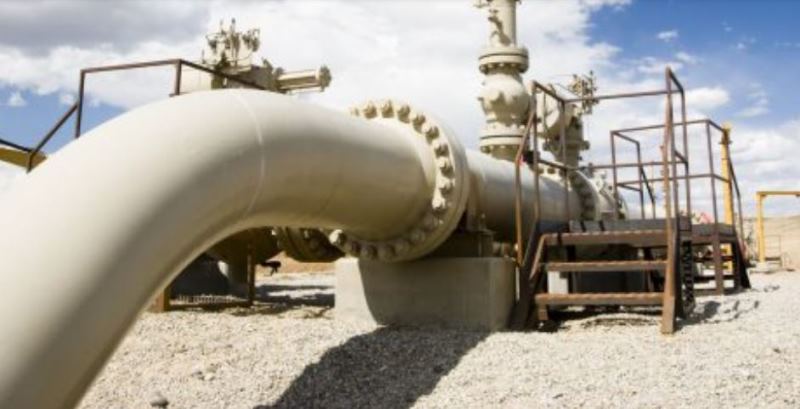
Eurasianet notes that Uzbekistan is grappling with a natural gas production crunch, putting pressure on state coffers.
In February, Tashkent sharply reduced gas supplies to China, according to a March 28 report published by the UzDaily.uz website.
According to data published by China’s General Customs Administration, the drop in export volume resulted in a sharp downturn in earnings, 38.77 million US dollars in January to 18.6 million US dollars in February.
The February 2024 figure was still better than earnings during the same month the previous year, during which no gas export earnings were recorded.
According to Eurasianet, the Chinese export totals differed significantly from the amounts published by Uzbekistan’s States Statistical Agency, which showed gas export earnings of U$21 million in January and US$5.7 million in February.
Uzbek officials attributed the discrepancy in earnings data to Beijing’s tendency to include revenue from the transit of Turkmen gas via Uzbekistan in the totals, Gazeta.uz reported. But that explanation, the outlet added, still doesn’t square the numbers.
Uzbekistan has traditionally relied on gas exports to generate a significant chunk of revenue for the state. But for the first time in its post-Soviet history, the country became a net importer of gas in 2023. Last fall, Uzbek officials signed a two-year deal to import up to 9 million cubic meters of Russian gas per day. The import-export deficit totaled about US$165 million in 2023.
Russia started supplying natural gas to Uzbekistan via Kazakhstan in early October last year.
Kommersant reported on March 7 this year that Uzbekistan last year imported natural gas from Russia a the rate of US$160.00 per 1000 cubic meters. This price is lower than the average sales prices of Russian gas supplied to China and Turkiye.
TASS reported las month that an Uzbek government investment program for the first quarter of 2024 “outlined intentions to boost gas imports from Russia from the existing 9 million cubic meters to 32 million cubic meters per day.”
Kun.uz noted that in December 2023 Russia’s Gazprom doubled exports to Uzbekistan at the request of the Uzbek authorities to meet soaring winter demand.