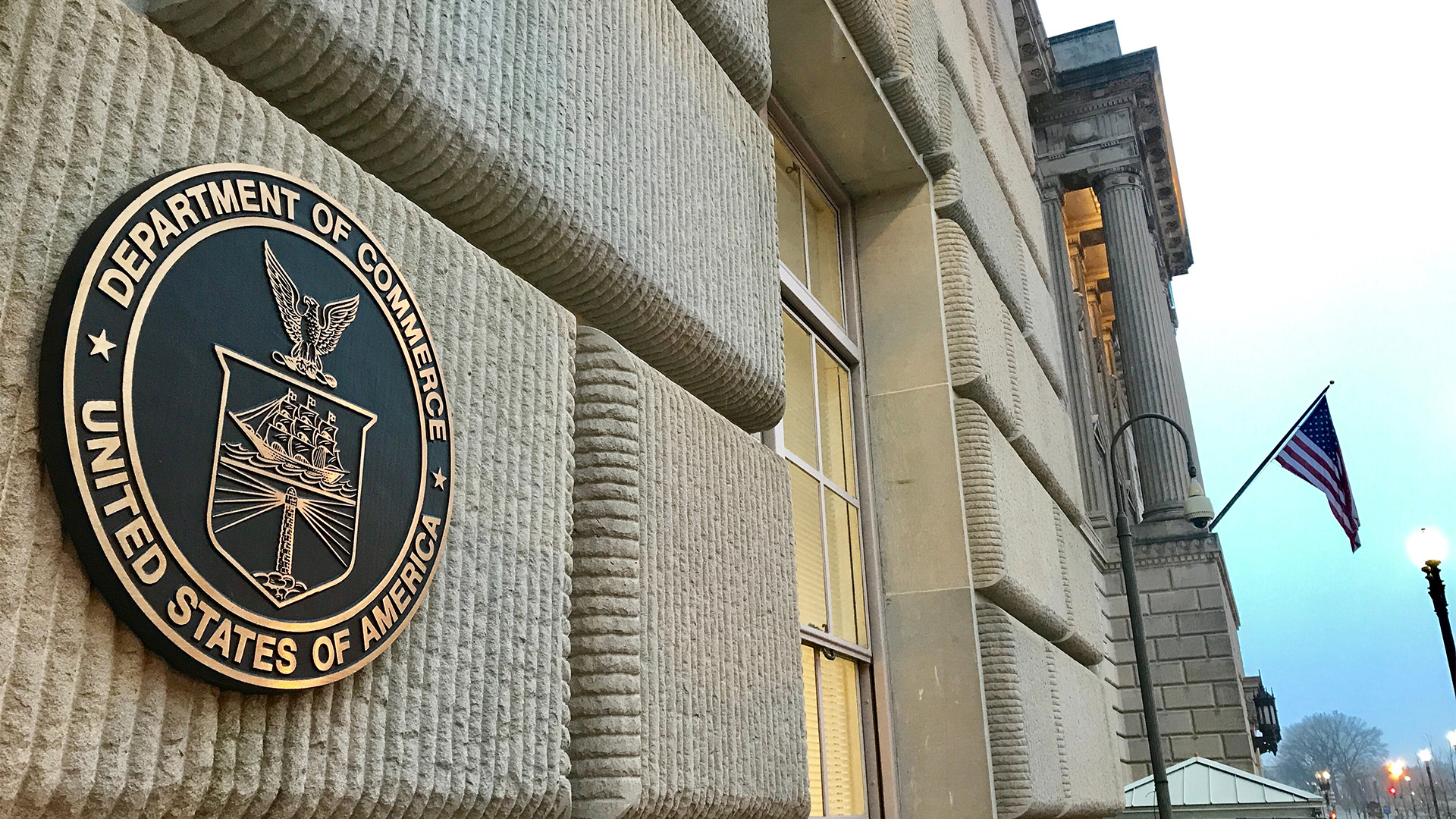
On Monday April 29, the U.S. Department of Commerce’s Bureau of Industry and Security (BIS) released an interim final rule (IFR) amending the Department’s licensing policy for exports of firearms, ammunition, and related components under its jurisdiction.
The changes being announced are reportedly intended to reduce the risk of legally exported firearms and related items being diverted or misused to fuel regional instability, drug trafficking, human rights violations, political violence, and other activities that undermine U.S. national security and foreign policy interests.
U.S. Commerce Secretary Gina Raimondo noted that “too often, firearms exports fall into the wrong hands and end up being used in ways that directly undermine U.S. national security and foreign policy interests.” To combat this, they are reportedly taking strategic, targeted actions, including restricting exports to commercial entities in high-risk countries and increasing scrutiny and tracking of all firearms exports.
Changes instituted by BIS’s IFR, in particular include increasing scrutiny on a transaction-by-transaction level to help prevent firearms from ending up in the hands of foreign criminals, gangs, terrorists, or other malign actors. BIS is implementing regulations that list a clear set of national security and foreign policy factors to consider when reviewing a license application, including terrorism risks, human rights concerns, state fragility, corruption, the nature and capabilities of the firearm, and past instances of diversion and misuse.
Presumption of denial for commercial transactions in countries the US State Department has identified as high-risk: BIS will apply a “presumption of denial” standard to applications involving nongovernmental recipients located in a destination where the State Department has determined there is substantial risk that firearm exports will be diverted or misused in a manner contrary to national security and foreign policy.
BIS will improve data collection on firearms exports by adopting new export control classification numbers (ECCNs) to track what kinds of firearms U.S. manufacturers are exporting abroad. These include new ECCNs for semi-automatic firearms and related items.
BIS is implementing regulatory changes to licensing procedures that will help validate that firearms are only exported to trustworthy foreign entities. BIS is reducing the general license validity period from 4 years to 1 year, which will ensure that BIS is able to adapt to an ever-changing global security environment. Furthermore, for countries with less-developed export control regimes, BIS will require the submission of additional documents from licensees before approving a license, including a purchase order and import certification.
In addition to the new rule, on July 1, 2024, BIS will revoke currently valid licenses that authorize exports of firearms to non-government end users in the destinations identified by the State Department. This change will align future exports to the new IFR. Those licenses have not been reviewed under the updated policy, but license holders are welcome to reapply so that their applications can be reviewed under BIS’s new standard.
The IFR is effective on May 30, 2024, and the Department will accept public comments on the rule until July 1.
The IFR reflects a targeted approach to significantly reduce the risk of diversion or misuse of lawfully exported U.S.-origin firearms to foreign criminals, gangs, terrorists, and other malign actors. These changes will help to enhance U.S. national security and to promote U.S. foreign policy interests, including by advancing human rights and fostering greater regional stability.
Of five Central Asian nations, Tajikistan, Kazakhstan and Kyrgyzstan are on the list of High-Risk Destinations for Firearms and Related Items