The full text of the newly revised law "On the Regulation of Traditions, Celebrations, and Ceremonies" was published in Jumhuriyat newspaper, the mouthpiece of the Government of Tajikistan, on June 22 and has now come into effect.
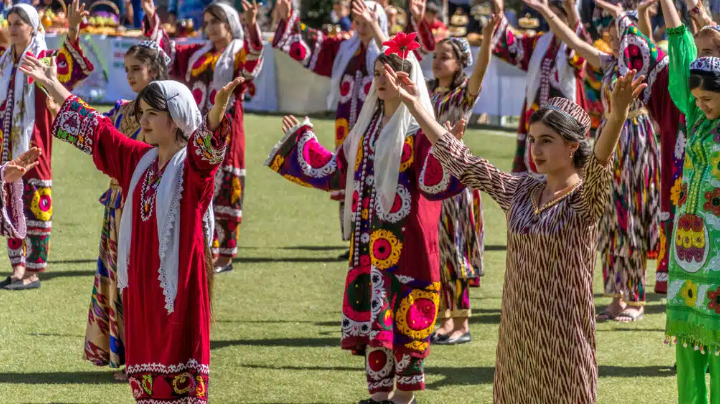
Thus, Article 18 of the law, regulating duties of individuals and legal entities during celebrations and ceremonies, mandates that citizens and organizations in Tajikistan must respect national culture, use the state language, and wear national clothing.
The law prohibits Tajik citizens from importing, selling, promoting, and wearing in public places clothing that does not conform to national culture.
The law allows decorating festive tables during the two major Islamic holidays of Eid al-Fitr (Idi Ramazon) and Eid Al-Adha (Idi Qurbon), but bans wastefulness and children's celebrations for these two major Islamic holidays (known as idgardak — children visit houses of their street or village and congratulate people with Islamic holidays Ramazon or Qurbon).
The implementation of this law and the associated fines reportedly reflect the government's commitment to preserving and promoting Tajikistan's cultural heritage. However, the lack of clarity regarding what constitutes "alien garments" and the specific penalties for violations may pose challenges for enforcement and compliance.
Recall, the Majlisi Namoyandagon (Tajikistan’s lower chamber of parliament) approved the bill banning “alien garments” and idgardak on June 8. The Majlisi Milli (Tajikistan’s upper chamber of parliament) has seconded the law on June 19.
The law mostly targets the hijab, or Islamic head scarf, and other traditional items of Islamic clothing, which started coming to Tajikistan in recent years from the Middle East and the country’s officials have associated them with Islamic extremists.
Alongside this law, amendments, made to the Code of Administrative Offenses and stipulating fines for violating certain provisions of the aforementioned law, have also come into force. These fines can reach up to 100,000 somonis.
As it had been reported earlier, President Emomali Rahmon signed the law on streamlining the traditions, celebrations and ceremonies in Tajikistan on 2007, justifying it “by protecting the true values of national culture, respect for folk customs and improving the social and economic standard of living of citizens.”
The Law on Observing National Traditions and Rituals has regulated private celebrations and funeral services, including weddings, funerals, and Mavludi Payghambar (the birthday of the Prophet). The stated intent of the law was to protect the public from spending excessive amounts of money on celebrations. The law limited number of guests, eliminated engagement parties, and controlled ceremonial gift presentations and other rituals.