The new report by the United Nations Convention to Combat Desertification (UNCCD) and the Food and Agriculture Organization of the United Nations (FAO), which was released last month, finds that women and girls are not only experiencing greater hardships but are also demonstrating remarkable leadership in the face of drought. The report showcases women-led solutions for building drought resilience. Women reportedly produce up to 80 percent of food in developing countries, yet less than 20 percent of landowners are women. Droughts contribute to 15 percent of disaster-related economic losses globally and are responsible for 85.8 percent of livestock deaths.
The report titled “Women-Led Solutions for Drought Resilience” calls for better recognizing and supporting women-led efforts to protect vulnerable communities from the devastating effects of drought. It also underscores that women's land rights are crucial for achieving food security.
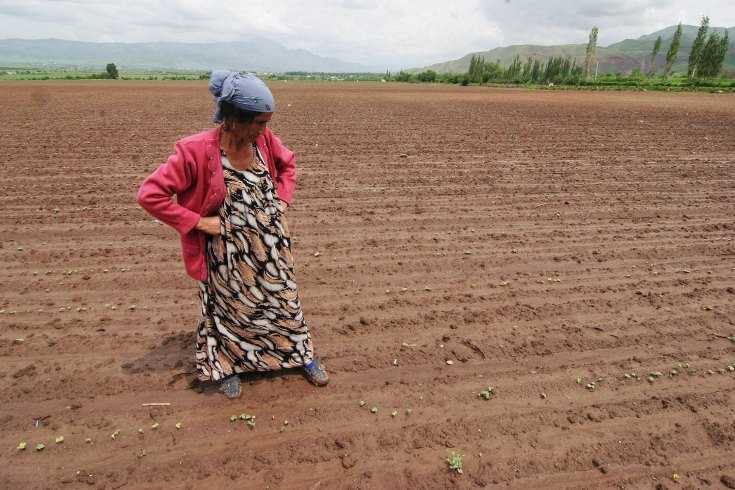
The report outlined how structural gender inequalities limit women’s access to critical resources such as land, water and financial services, which place additional burdens on them during drought. Women and girls often have the responsibility of collecting water, which puts their safety at risk and complicates their ability to cope with drought, particularly as they manage unpaid care work.
Despite these challenges, women reportedly continue to develop innovative solutions to adapt to increasingly harsh conditions. For instance, women produce up to 80 per cent of food in developing countries but own less than 20 percent of the land. This disparity affects their access to credit, training, and resources, further exacerbating their vulnerability to drought and climate change.
Drought accounts for 15 per cent of global disaster-related economic losses and is responsible for 85.8 percent of livestock deaths, severely affecting women in agricultural regions. As women comprise a significant portion of the agricultural labor force, the destruction of crops and livestock due to drought further endangers their livelihoods.
Established in 1994, the UNCCD is the sole legally binding international agreement linking environment and development to sustainable land management. The Convention recognizes that addressing and reversing land degradation is one of the key sustainable development priorities for the majority of its affected countries' Parties. UNCCD also recognizes that droughts are the most far-reaching of natural disasters, causing short and long-term economic and ecological losses. To reduce societal vulnerability to droughts, there is a need to overcome the prevailing reactive, post-hazard approach to drought management and move towards proactive risk-management methods that build resilience to drought at the local, national and regional levels. The Convention also prioritizes the importance of ensuring the full and equal participation of both women and men at all levels of combating desertification and mitigating the effects of drought.