The League of Women with Disabilities, Ishtirok, has been advocating for years to ensure that every woman, regardless of her physical abilities, has access to physical, psychological, and social well-being.
Discussions about sexual and reproductive health in Tajikistan have been ongoing, but women with disabilities are often overlooked in this dialogue, leaving them with little to no access to medical services.
Inaccessible medical facilities
Ms. Saida Inoyatova, the head of the League of Women with Disabilities, Ishtirok, points out that despite state programs aimed at improving reproductive rights, women with disabilities remain excluded due to inaccessible infrastructure.
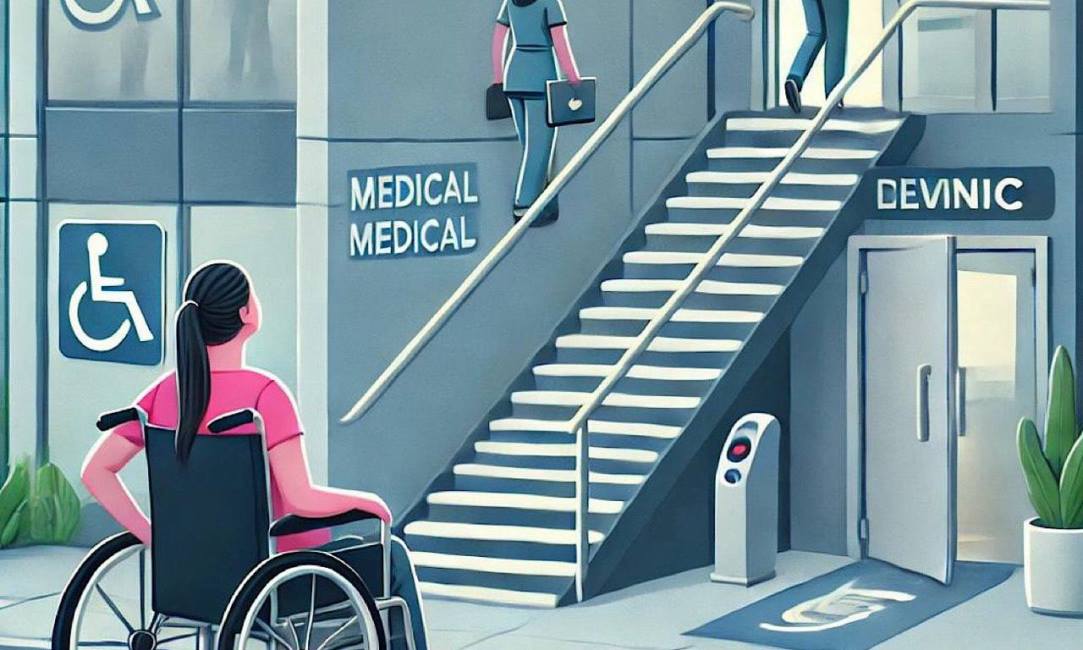
“How can a woman using crutches or a wheelchair enter a clinic if there are no proper ramps, elevators, or wide doorways?” Inoyatova questions.
One example is the experience of Nigina Ikromova, a talented designer and seamstress who has faced numerous obstacles when visiting doctors.
“Even my narrow wheelchair barely fits through clinic doors. Imagine the struggles for those with larger wheelchairs or those who are overweight,” she shares.
Simple procedures, such as transferring to a dental chair or a gynecological table, turn into significant challenges.
Barriers beyond hospitals
Daily tasks, such as visiting beauty salons or using public transportation, are also fraught with difficulties.
“When I tried to book an appointment at a beauty salon, they told me there were no facilities for wheelchair users. Once, in a store, someone even said, ‘Why do you need shoes? You don’t walk anyway,’” Nigina recounts.
The transportation system also falls short. Ramps on buses are often broken, and drivers are reluctant to assist passengers with disabilities.
Obstacles to reproductive health
Research by Ishtirok highlights numerous barriers women with disabilities face in accessing medical care:
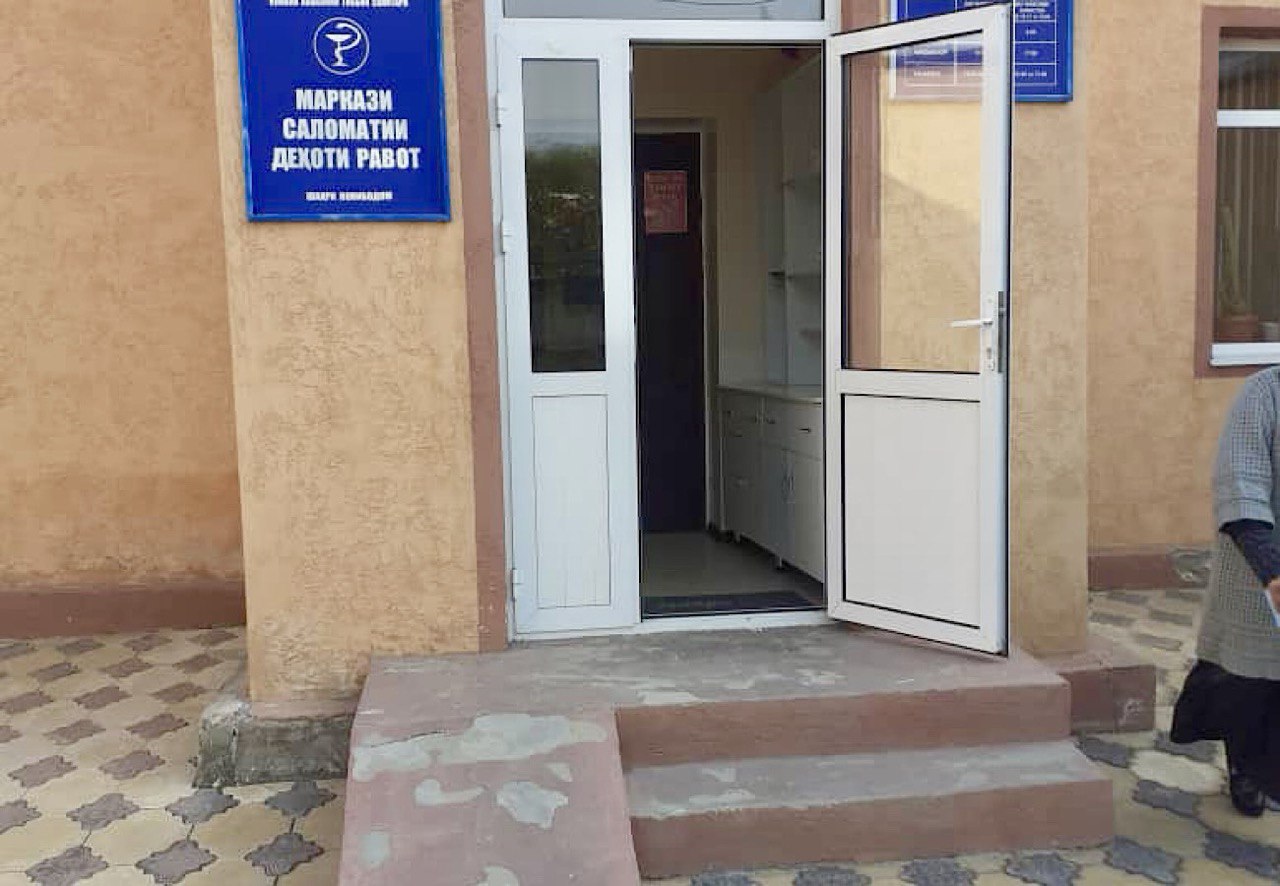
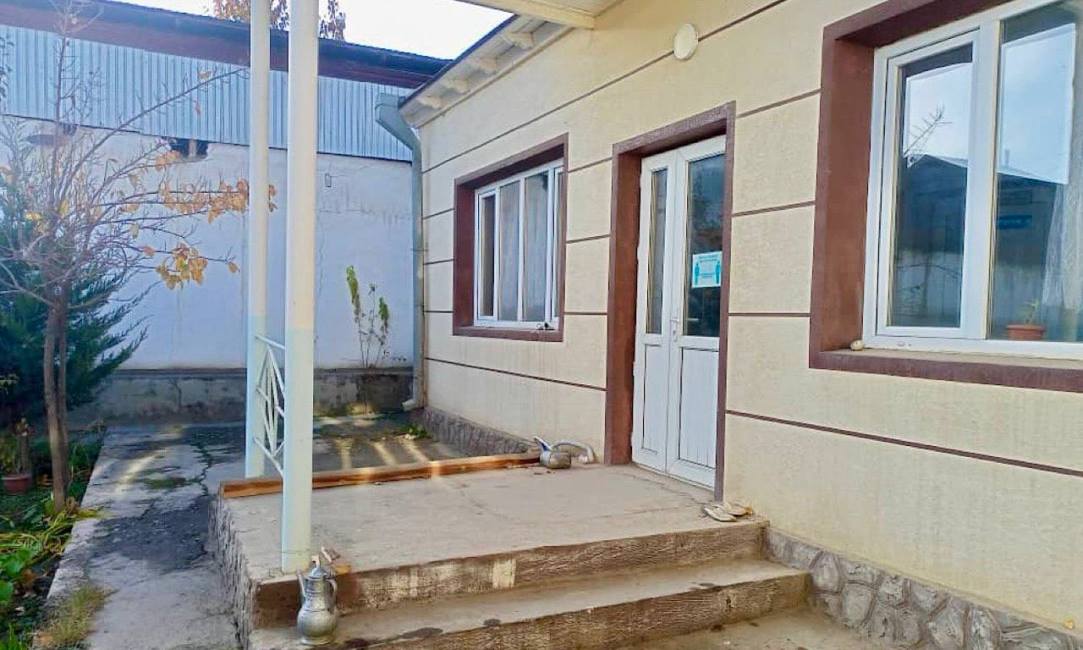
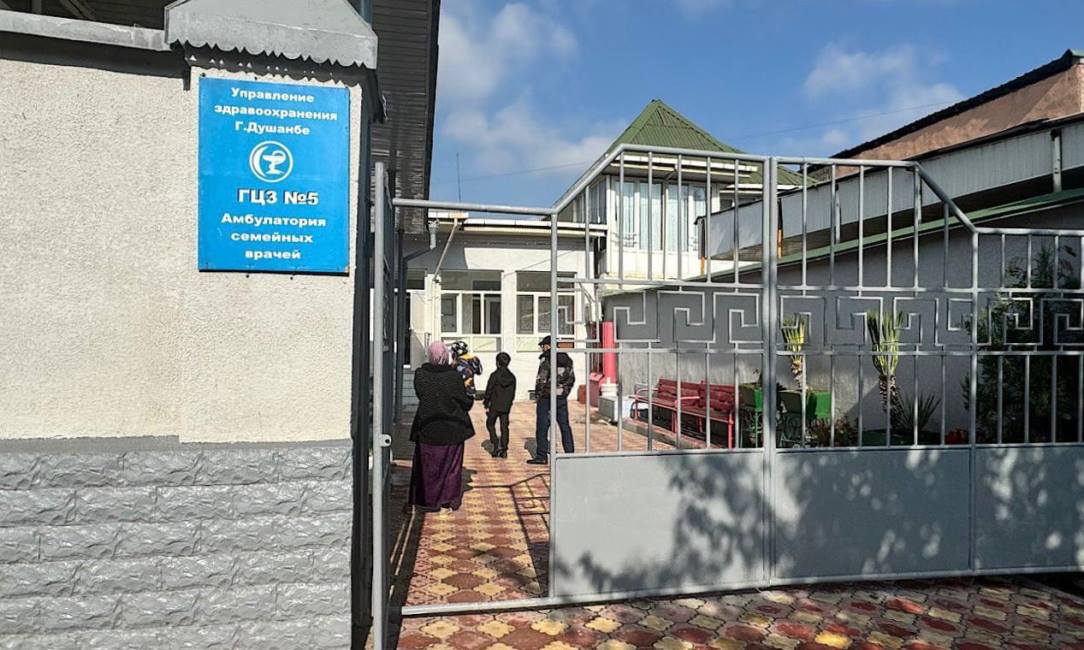
- Physical inaccessibility: Narrow doorways, cramped corridors, and the lack of elevators, ramps, and specialized restrooms are just some of the issues. As a result, women with disabilities are often confined to their homes, unable to access even basic medical services.
- Communication barriers: The lack of sign language interpreters and specialists fluent in sign language creates additional stress and violates patients' confidentiality rights. "Deaf individuals must rely on relatives to communicate with doctors, which compromises privacy and adds unnecessary stress," says Saida Inoyatova.
- Social stereotypes: Women with disabilities are often viewed as incomplete or incapable of bearing children or leading fulfilling lives.
“People ask why women with disabilities would want children—it’s too hard for them,” Nigina explains.
Legislative gaps restrict access to medical services
The League of Women with Disabilities “Ishtirok” conducted research that revealed existing laws and programs in Tajikistan fail to fully address the needs of people with disabilities.
Key findings include:
- Policy and strategy: Out of seven state programs and strategies reviewed, only two partially addressed reproductive health issues for people with disabilities, both of which ended in 2020.
- Legislation: None of the four analyzed laws contain provisions regarding the reproductive rights of women with disabilities.
- Lack of definitions: National legislation lacks definitions for sexual rights and health, making it difficult to access specialized medical services as such concepts are not legally recognized.
- Protection from violence: Laws meant to protect women from violence and ensure equality fail to account for the heightened risks faced by women with disabilities, leaving them vulnerable to both violence and discrimination.
- Social protection and education: The "Law on Social Protection of People with Disabilities" does not address sexual and reproductive health or guarantee access to related education and information for women with disabilities.
- Medical care: There are no mandates to ensure the accessibility of medical services for people with disabilities.
- Lack of resources and transparency: Strategies and programs mention planned expenditures but provide no information on actual spending. There are no public reports on how funds are allocated or used.
Without addressing these gaps, women with disabilities in Tajikistan will continue to face insurmountable barriers to their health and well-being.