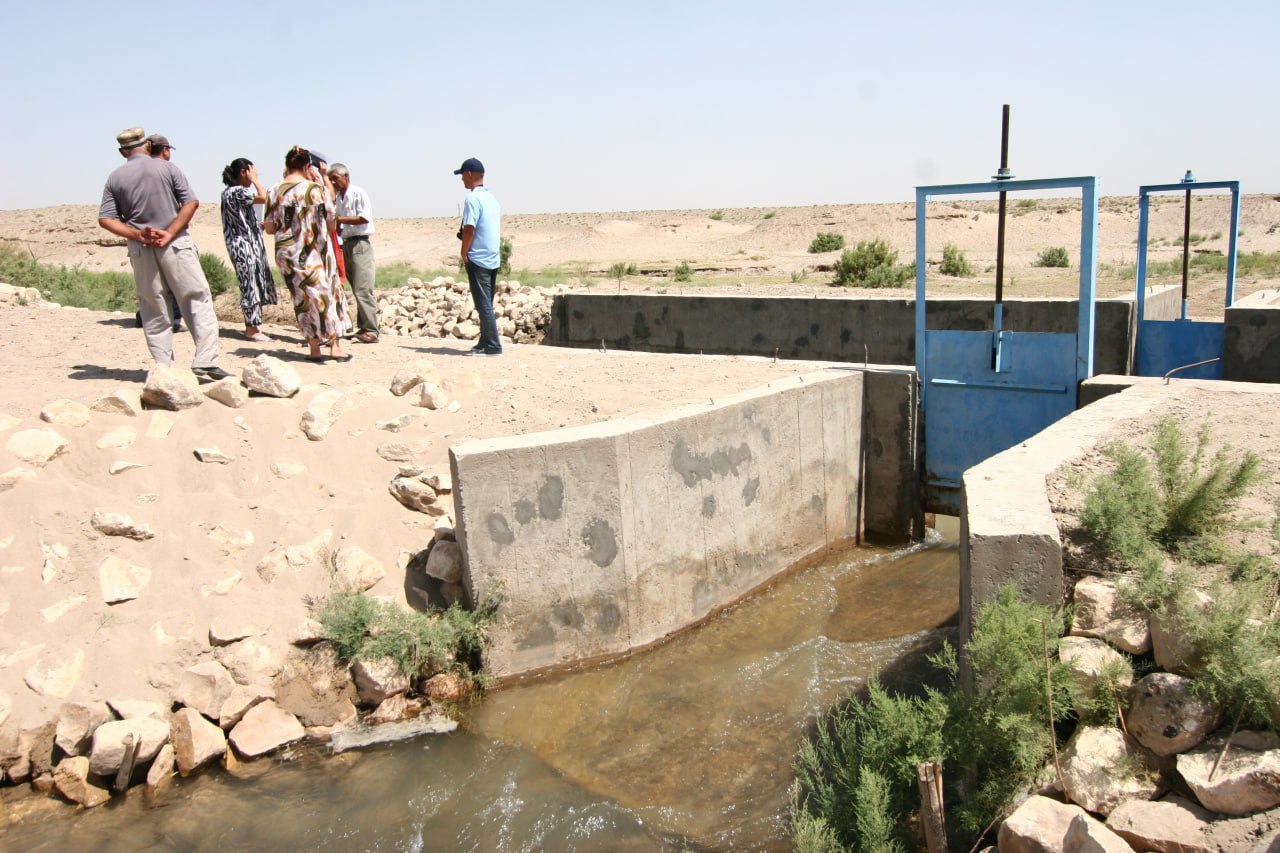
Irrigated agriculture consumes 79% of all water resources in Central Asia – 100.4 cubic meters out of 127.3 cubic kilometers per year. These figures are provided in a joint analytical report by the Eurasian Development Bank (EDB) and UNIDO (United Nations Industrial Development Organization).
Despite irrigated lands occupying only 24% of the total area of crops, they account for two-thirds of the entire agricultural output in the region.
The authors emphasize that the transition to efficient irrigation technologies is the only viable path for water security. By 2028, the region may face a water deficit of 5-12 cubic kilometers annually, the report notes.
The EDB and UNIDO propose developing local production of irrigation equipment, which will help reduce water losses and decrease dependence on imports. The report analyzes issues related to water scarcity, aging irrigation infrastructure, and the impacts of climate change.
In particular, it discusses the growing demand for modern irrigation solutions. By 2040, it is expected that the area of irrigated land in the region will increase to 10.6 million hectares, leading to higher demand for advanced irrigation technologies and creating opportunities for local production of irrigation equipment worth up to US$426 million annually.
“We, together with our colleagues at UNIDO, predict that by 2030, the demand for irrigation equipment may more than double. Localizing production will help retain these investments in the region’s economy and promote the development of precision irrigation technologies and water resource management,” said Nikolai Podguzov, Chairman of the EDB Management Board.
The publication also includes strategies for the industrialization of the irrigation sector, including the creation of a regional cluster for the production and servicing of modern equipment, as well as the development of critical infrastructure. Specifically, three stages are proposed for creating the cluster: forming a critical mass of enterprises, strengthening cluster policies, and actively forming the cluster to enhance internal synergies.
“Integrating modern irrigation systems and precision technologies will not only increase water use efficiency but also help achieve the Sustainable Development Goals. We are pleased to collaborate with the EDB and share our experience in creating clusters to accelerate industrial development in the region,” added Gerd Müller, Director-General of UNIDO.
The study calls for the joint implementation of strategic and investment measures aimed at overcoming dependency on imports and developing regional production of irrigation equipment.