
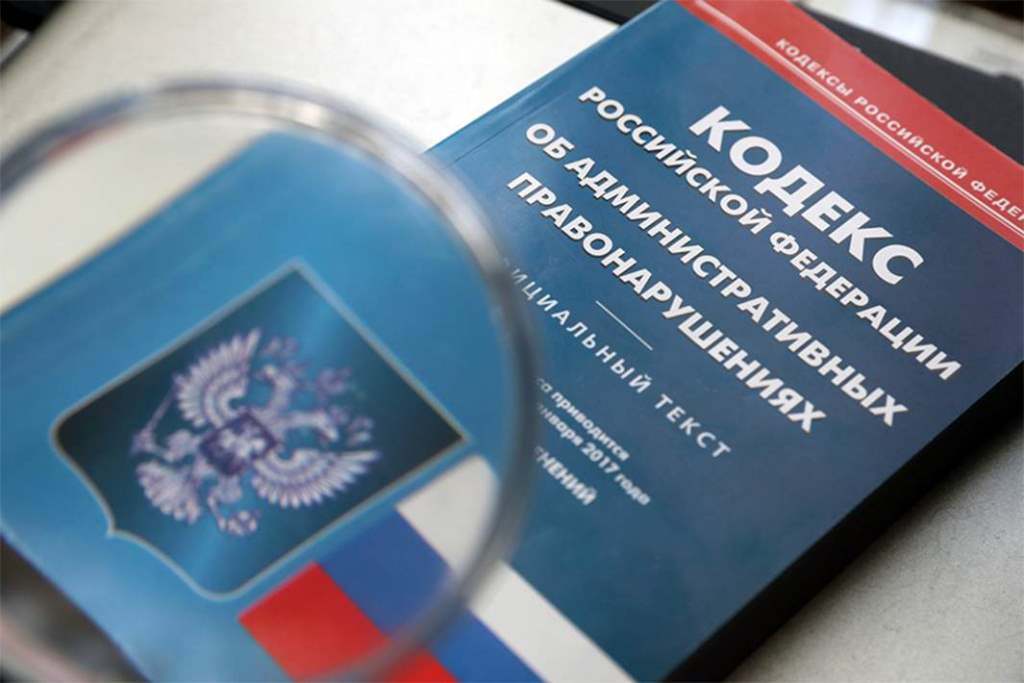
Foreign nationals could soon face a ban on entering Russia if they are found to have violated the country’s interests abroad. The proposal, which is part of an ongoing legislative effort, was shared with Izvestiya by State Duma (Russia’s lower chamber of parliament) member from the United Russia party, Ayrat Farrakhov. He is preparing amendments to a bill already approved by the State Duma in its first reading, which aims to revise Russia's Administrative Offenses Code (AOC).
What changes are being proposed?
The bill primarily targets Russian citizens who, after leaving the country, engage in actions that harm Russia’s interests while abroad. However, the amendments would also apply to foreign nationals committing similar offenses, who would be banned from entering Russia.
One of the most significant changes in the draft law is the creation of a list of administrative offenses for which both Russian citizens and foreign nationals could be held accountable abroad.
These include:
- Misuse of freedom of the press
- Propaganda or public display of Nazi symbols
- Incitement of hatred based on gender, race, nationality, language, or religion
- Publicly discrediting the Russian Armed Forces
- Production and distribution of extremist materials
- Calls to violate Russia's territorial integrity
- Equating the actions of the USSR with those of Nazi Germany
- Violations related to the activities of foreign agents
- Failure to fulfill obligations by social media platform owners
According to Farrakhov, any violation would be recorded in official registries, and if a foreign national who committed such an offense ever wishes to visit Russia—for tourism, to attend a forum, or for any other reason—they would be restricted from entering the country.
Currently, the AOC does not allow for the prosecution of foreign nationals who commit offenses outside Russia. They can only be fined or deported if the violation occurs within Russian territory. However, under the proposed amendments, the list of offenses for which Russians can be held accountable abroad would be expanded significantly.
New penalties for Russians and foreign nationals
In addition to extending the scope of potential offenses, the new bill introduces penalties for Russian citizens who refuse to pay administrative fines while abroad. Their financial assets, bank accounts, and real estate located overseas could be seized until the fines are paid. Once the fine is settled, the seized assets would be released.
The State Duma approved the bill in its first reading on May 13, with the provision that amendments should be submitted by June 11. Farrakhov is confident that the proposed changes will receive full support from the deputies.
This legislation signals Russia’s intention to enhance its ability to hold both domestic and foreign individuals accountable for actions deemed harmful to its national interests, regardless of where the offense takes place.