Kazakhstan starts construction of thermal power plant in Kokshetau without Russian capital

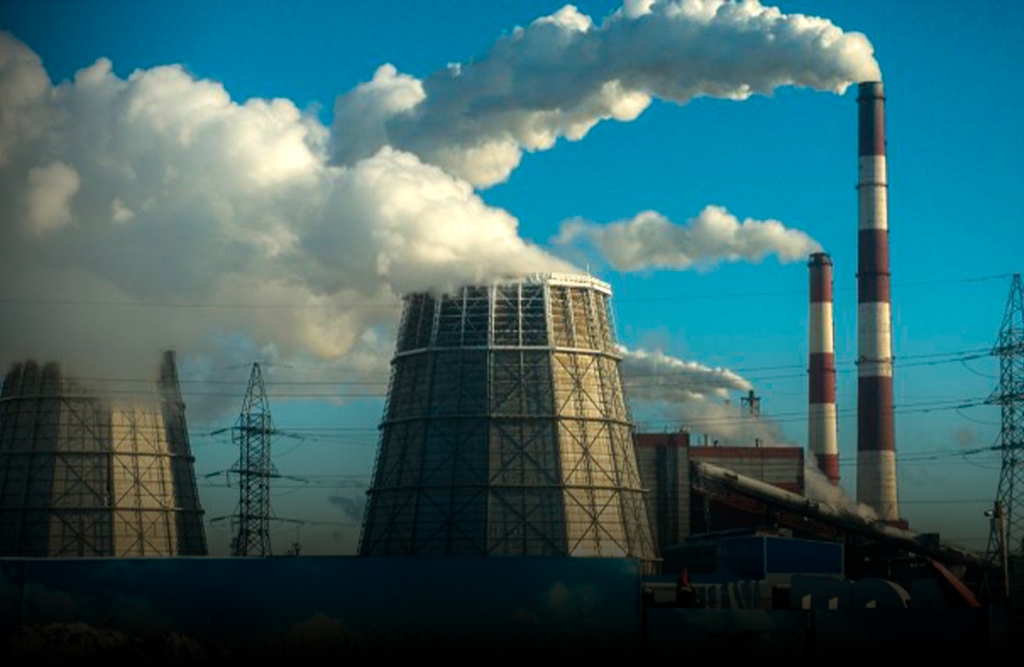
Kazakhstan has launched the construction of a thermal power plant (TPP) in Kokshetau without involving Russian capital.  Prime Minister of Kazakhstan, Olzhas Bektanov, made the announcement at a press conference, as reported by Kursiv.kz. This TPP is one of three coal-fired power plants that Kazakhstan had initially planned to build in collaboration with Russia.  However, […]

Kazakhstan has launched the construction of a thermal power plant (TPP) in Kokshetau without involving Russian capital.  Prime Minister of Kazakhstan, Olzhas Bektanov, made the announcement at a press conference, as reported by Kursiv.kz.

This TPP is one of three coal-fired power plants that Kazakhstan had initially planned to build in collaboration with Russia.  However, according to Deputy Prime Minister Roman Sklyar, Russia faced difficulties in securing funding for the project.

“Initially, we considered the possibility of joint implementation with Russian partners for all three TPPs.  However, we have not yet received precise information regarding the provision of guaranteed concessional financing from the Russian Federation.  Therefore, we began the construction of the TPP in Kokshetau independently, without seeking external assistance.  Samruk-Energo is in charge, and work is ongoing at the site," Bektanov explained.

As for the remaining two projects in Ust-Kamenogorsk and Semey, Kazakhstan is still awaiting a response from Russia.  If financing is not confirmed, the projects will also proceed independently.

Earlier, it was reported that Kazakhstan and Russia had planned the construction of three TPPs: one in Semey and one in Ust-Kamenogorsk, each with a capacity of 360 MW, and one in Kokshetau with a capacity of 240 MW.  However, the decision was later made to move the Kokshetau station construction to the Zeren district of Akmolinsk region.

According to Interfax, the Public Joint-Stock Company (PJSC) Inter RAO was initially considered as the general contractor for the project.  The primary financing scenario involved a loan from the Russian government with subsidization.  However, in May, Deputy Prime Minister Roman Sklyar stated that there were challenges in securing concessional export financing for the purchase of equipment needed for the TPP construction.  If Russia is unable to provide funding for the procurement of equipment, Kazakhstan plans to look for alternative investors.
 

Join us on social media!

Article translations:

Related Article

Оби зулол
Tenisi
Оби зулол

Most Read

Коммерсбонк Точикистон

Recent Articles

RZD announces the restoration of passenger services between Moscow and Dushanbe

Direct rail services between the capitals of Russia and Tajikistan were suspended in March 2020 due to the COVID-19 pandemic.

#AP30/Stories. “Selam! Heller nichek?” How Tatars live today in Sughd province

On the 30th anniversary of "Asia-Plus," we continue to publish reports that remain relevant even after years. This story was told in 2021, and since then, little has changed in the life of the Tatar community in Tajikistan.

15,000 cameras, drones, and robots: how technology monitors pilgrims in Mecca and Medina

During Hajj 2026, Mecca and Medina were under unprecedented digital control.

Another child in Dushanbe removed from family and sent to boarding school

The Ministry of Internal Affairs reports that the parents did not pay adequate attention to the child.

Emomali Rahmon instructs to address issues in seed production following criticism of the industry

Issues have been noted with certification, seed quality, and the material and technical base of the industry.

Water, climate, and a $130 billion deficit: seven key outcomes of the Water Conference in Dushanbe

At the forum, countries and international organizations discussed new mechanisms for cooperation, investments, and technologies that are essential for addressing the global water crisis.

Eskhata Bank introduces a new generation children’s wallet

"Eshkata Bank" has created a full-fledged digital platform that helps children aged 7 to 16 learn how to manage money.