Tajikistan has approved the Agricultural Digitalization Program for 2025-2029, developed with the support of the United Nations Food and Agriculture Organization (FAO). The program is aimed at leveraging digital technologies to transform the agricultural and food sectors.
Digitalization to boost agricultural productivity
The program, approved by the government on May 29, 2025, is aligned with the country’s national agricultural priorities and key political strategies. Its main objectives are to enhance productivity, improve food security, raise the quality of government services, and strengthen resilience to climate change.
“The approval of this program underscores the government’s political will to continue agricultural reform and accelerate the introduction of digital technologies in agriculture. This will open new opportunities for farmers, rural communities, and agribusinesses,” said Ms. Nigina Anvari, Deputy Minister of Agriculture of Tajikistan.
According to the FAO press service in Tajikistan, the organization provided significant technical support in the development of the program, collaborating with the Ministry of Agriculture, a working group from various ministries, and national experts. Activities such as workshops for creating a unified national vision and strategic goals contributed to the successful development of the program.
"The adoption of Tajikistan's Agricultural Digitalization Program is a crucial step toward creating more resilient, inclusive, and smart agri-food systems. FAO is proud to have supported the government in developing this forward-looking roadmap," said Mr. Agasi Harutyunyan, Acting FAO Representative in Tajikistan.
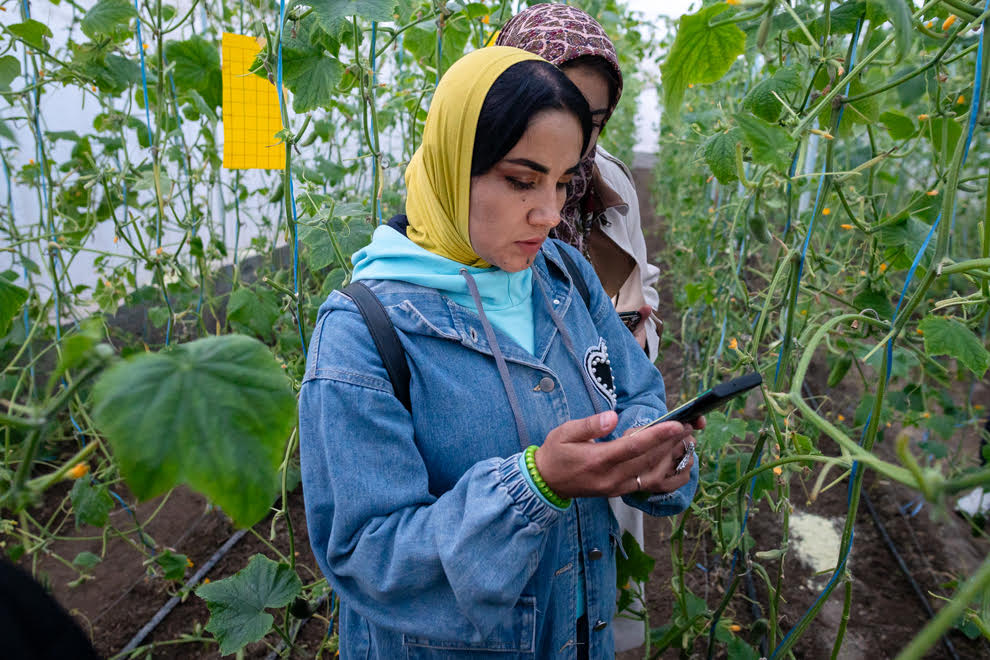
The program focuses on creating an innovative environment through investments in infrastructure, the development of digital government services, and enhancing digital skills. Its priorities include improving access to weather forecasts, pest control, increasing transparency, and strengthening information systems.
The implementation of the program will take place in phases, with annual monitoring, and FAO will continue to support the process, including the development of electronic government systems and the introduction of digital solutions.
Assessment of digitalization in Tajikistan’s agriculture
Agriculture accounts for approximately a quarter of the GDP and 60% of the workforce in Tajikistan, according to the program. However, the sector faces challenges such as low labor productivity, outdated farming methods, and insufficient funding. Digitalization could become an essential tool for improving the competitiveness and resilience of the industry.
Digitalization will enhance access to information, resources, and markets, boost productivity, and optimize supply chains. However, the issue of "digital inequality" remains, with limited access to technology and a lack of trained specialists.
The development of information and communication technologies (ICTs) and the adoption of new technologies, such as artificial intelligence and unmanned systems, will transform agriculture by improving management and expanding farmers' access to knowledge and resources.
Program financing
The total budget for Tajikistan’s Agricultural Digitalization Program for 2025-2029 is 120.6 million somonis, allocated as follows: state budget– 0.666 million somonis; development partners – 111.68 million somonis; and private sector – 8.3 million somonis.
The majority of the funding will be directed towards creating digital infrastructure, implementing artificial intelligence technologies, developing online services, and improving staff training.