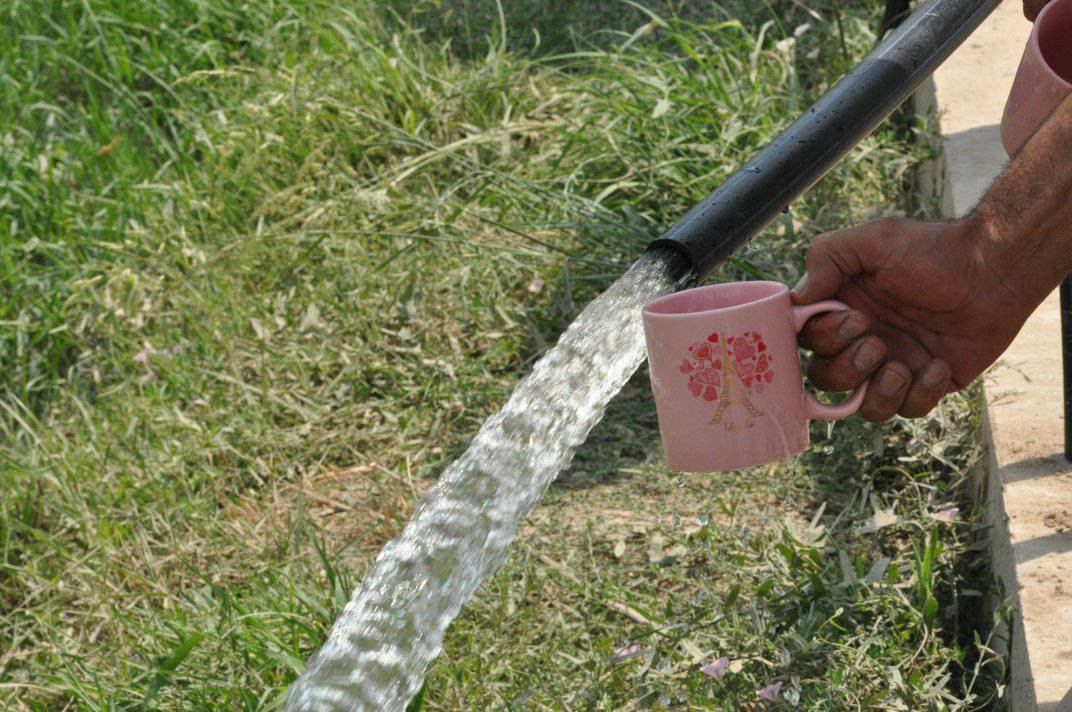
Tajikistan’s deep groundwater reserves are not threatened by climate change, Ilhom Oymuhammadzoda, head of the Main Geology Directorate under the Government of Tajikistan, stated at a news conference in Dushanbe on July 22.
He refuted claims of decreasing groundwater levels, noting that while climate change does affect surface waters—which are shallow and formed by precipitation—deep groundwater reserves remain stable. These surface waters fluctuate seasonally, particularly during the spring and autumn, but deep groundwater resources are largely unaffected by such changes.
"Tajikistan has large volumes of stable deep groundwater," Oymuhammadzoda said, emphasizing that, despite their significant potential, the use of these resources remains limited.
According to the Ministry of Energy and Water Resources of Tajikistan (MoEWR), the country's potential groundwater reserves are estimated at 18.7 cubic kilometers per year, with exploitable reserves at 2.8 cubic kilometers annually.
Oymuhammadzoda highlighted the substantial opportunities for utilizing these resources in the future, pointing out that every year, Tajikistan constructs 3-5 deep wells to provide drinking water in areas with limited access.
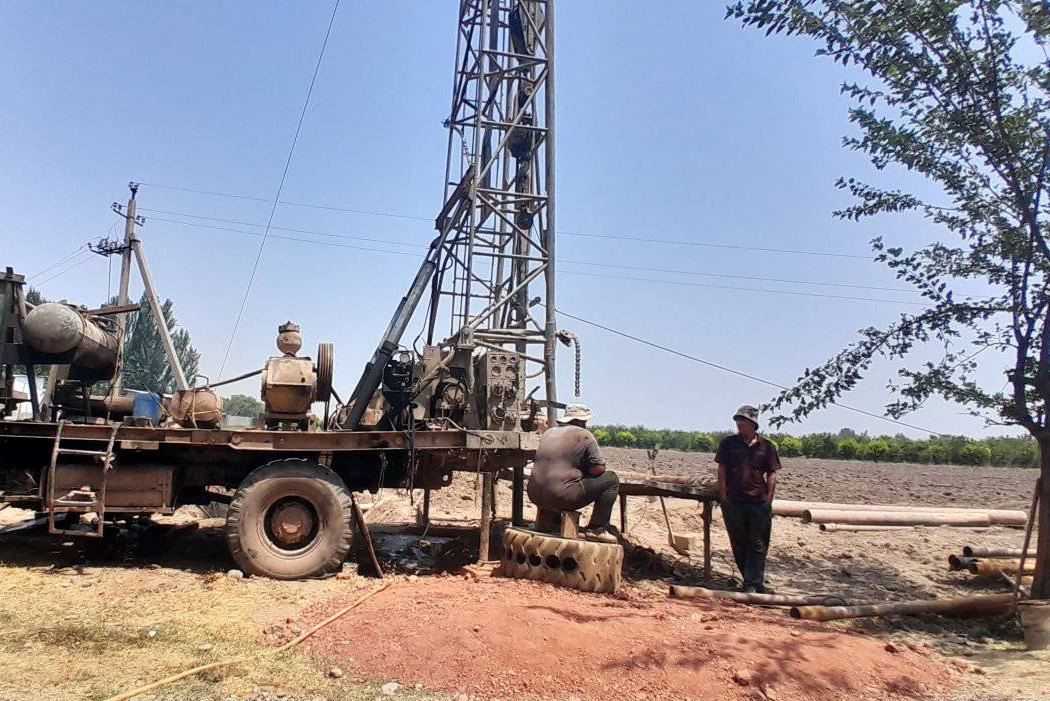
Tajikistan also monitors and protects its groundwater resources from depletion and pollution, with a state water cadaster that includes data on underground water bodies. Furthermore, projects for exploring and developing new groundwater sources are being approved to protect these valuable resources.
A MoEWR also noted that groundwater resources in Tajikistan are unevenly distributed across the country. The largest reserves are concentrated in the river basins of Vakhsh (4.92 cubic kilometers per year), Syr Darya (3.58 cubic kilometers per year), and Kofarnihon (2.5 cubic kilometers per year). The distribution of these resources varies by region, with the Sughd province holding 25.6% of the total reserves, the Khatlon province 21.8%, and the Gorno-Badakhshan Autonomous Region (GBAO) 21.4%.
Groundwater Resources in Central Asia
Groundwater reserves in other Central Asian countries also demonstrate significant potential. In Kazakhstan, projected groundwater resources exceed 64 cubic kilometers per year, with around 50% of the reserves located in the south, 30% in the central, northern, and eastern regions, and less than 20% in the west.
In Kyrgyzstan, potential fresh groundwater reserves are estimated at 13 cubic kilometers annually. Of these, 3.5 cubic kilometers per year are confirmed from 34 deposits, offering further opportunities for exploitation.
Uzbekistan’s estimated groundwater resources total 27.6 cubic kilometers per year (75.6 million cubic meters per day).
The 18.7 cubic kilometers of groundwater in Tajikistan could supply about 539.3 million people for a year at a minimum consumption rate of 95 liters per day per person, or 142.3 million people at a maximum consumption rate of 360 liters per day per person.