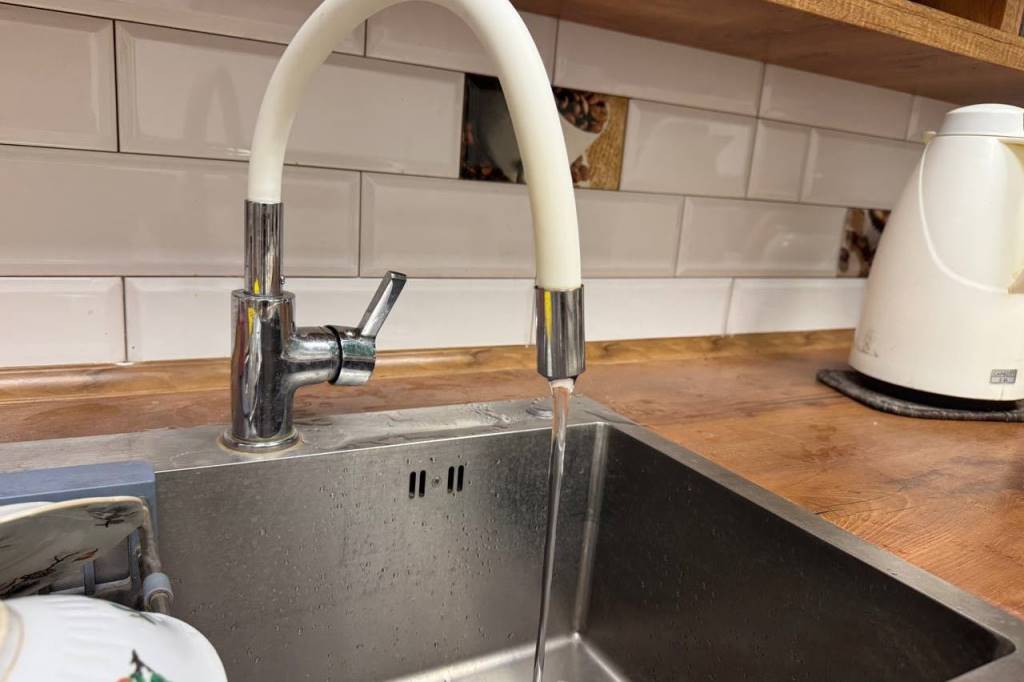
Despite assurances from Dushanbe City Hall that the city’s water supply problems would be resolved by the end of July, many residents report that low pressure, dirty water, and outright outages continue across multiple neighborhoods.
The commitment was made earlier this summer by Bahrom Saidzoda, head of the municipal utility “Dushanbe Water Supply and Sewerage.”
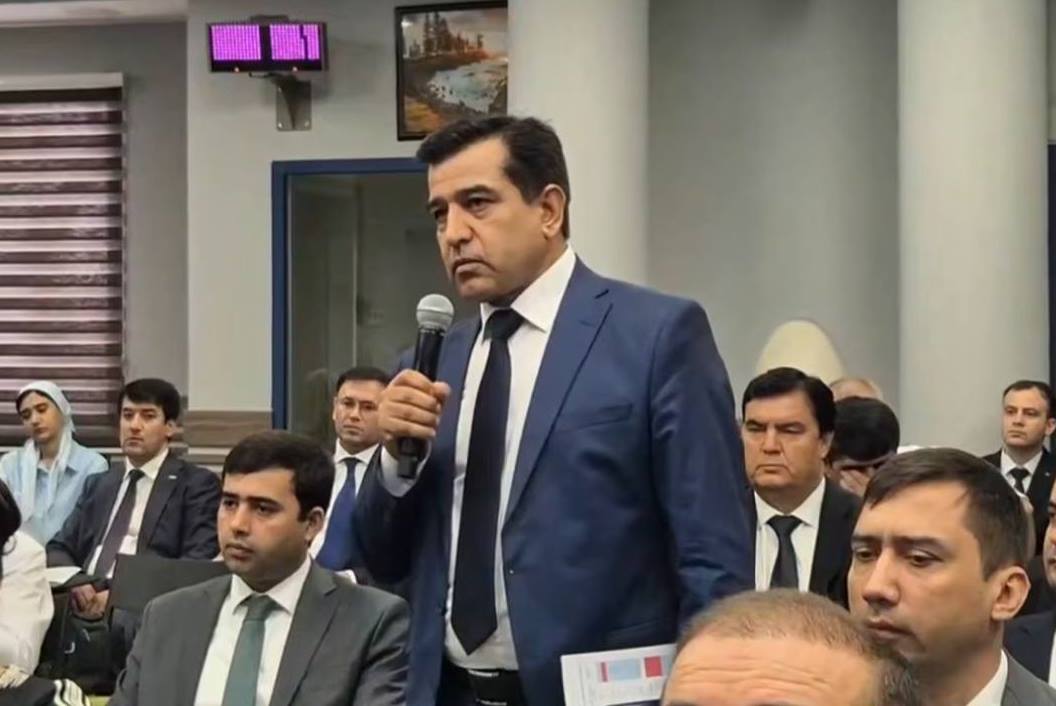
He attributed the disruptions to the installation and connection of new pipelines in Shohmansour district, a project funded by the Asian Development Bank since 2021. “The work is almost complete. This issue may be resolved by the end of July,” Saidzoda said at the time.
However, social media feedback collected by Asia-Plus in early August tells a different story. Dozens of residents from various districts — including the Old Airport area, Zarafshon area and multiple neighborhoods in Firdavsi district — say water pressure remains too low to reach upper floors, forcing them to collect water at night in small quantities. Some report repeated burnout of household water pumps.
Public frustration boils over
Residents have also complained about water quality, describing it as brown, smelly, and undrinkable even after boiling.
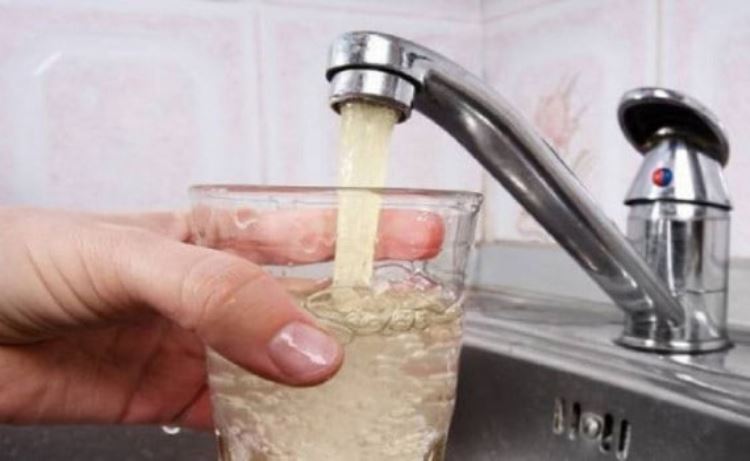
“In the 46th neighborhood, the water smells like swamp, and even bathing in it is unpleasant. For cooking, I use only bottled or artesian water,” wrote local resident Lola Valiyeva.
Others describe months-long outages, with water available only in the early hours of the morning. A resident from the 91st neighborhood noted: “Pressure only late at night; the rest of the time it’s a trickle — or nothing at all.”
Some cite misuse of water as a contributing factor. “In the Firdausi district, neighbors keep watering their gardens while we have no water for basic needs,” said Veronica Krotova.
Partial improvements, but no citywide solution
According to the municipal water utility, several neighborhoods in Shohmansour district — including parts of Ayni Street, Khovaron, and Buston areas— now enjoy uninterrupted supply. But officials declined to comment on the ongoing problems in other districts, leaving many residents frustrated and without answers.
While a handful of residents report recent improvements, the vast majority say the situation remains unchanged, raising questions about the city’s ability to deliver on its infrastructure promises in the face of growing summer demand.