Dushanbe City Hall will purchase 30 new electric buses from Akia Avesto Automatic Industry. The contract for the purchase of vehicles was signed between the Dushanbe City Hall and the specified industrial company, according to "Dushanbenakliyetkhadamotrason".
The message notes that electric buses of domestic production are equipped with a heating and air conditioning system, 6 video surveillance cameras and 2 displays. They comply with European standards, have 32 seats and a total capacity of 100 passengers.
The battery capacity of the electric bus is 350 kWh, and the power reserve in autonomous driving mode allows you to cover up to 300 km of road.
As of September 1, 2024, 375 buses and 75 trolleybuses were running on the roads of the capital. In addition, the population is served by more than 1,000 fixed-route taxis and about 12,000 taxis.
However, residents of Dushanbe are concerned about the lack of public transport on some routes. The situation may worsen further with the start of the new school year and the onset of cold weather.
It is reported that the Dushanbe City Hall plans to fully switch to electric passenger transport by 2028.
Bokhtar is not far behind
The authorities of Bokhtar also plan to switch to small electric buses on inner-city passenger routes, the mayor of the city, Abdulmajid Muminzoda, said at a recent press conference. According to him, the existing buses will be directed to intercity routes in the future.
He noted that the city's executive authorities had sent a proposal to the government of the country and the chairman of the Khatlon region to provide Bokhtar's inner-city routes with small electric buses.
"Our proposal has been supported, and the agreement on the purchase and supply of electric minibuses is under signing," Muminzoda said.
Meanwhile, Tojiddin Safarzoda, director of the State Unitary Enterprise Bokhtarnaklietkhizmatrason, said in an interview with Asia–Plus that 47 small electric buses are planned to be delivered to Bokhtar.
Abdulmajid Muminzoda said that the supply of electric vehicles is carried out as part of the second stage of the project "Development of public transport in Khatlon region", implemented by the European Bank for Reconstruction and Development. According to him, the cost of the second stage is $10 million.
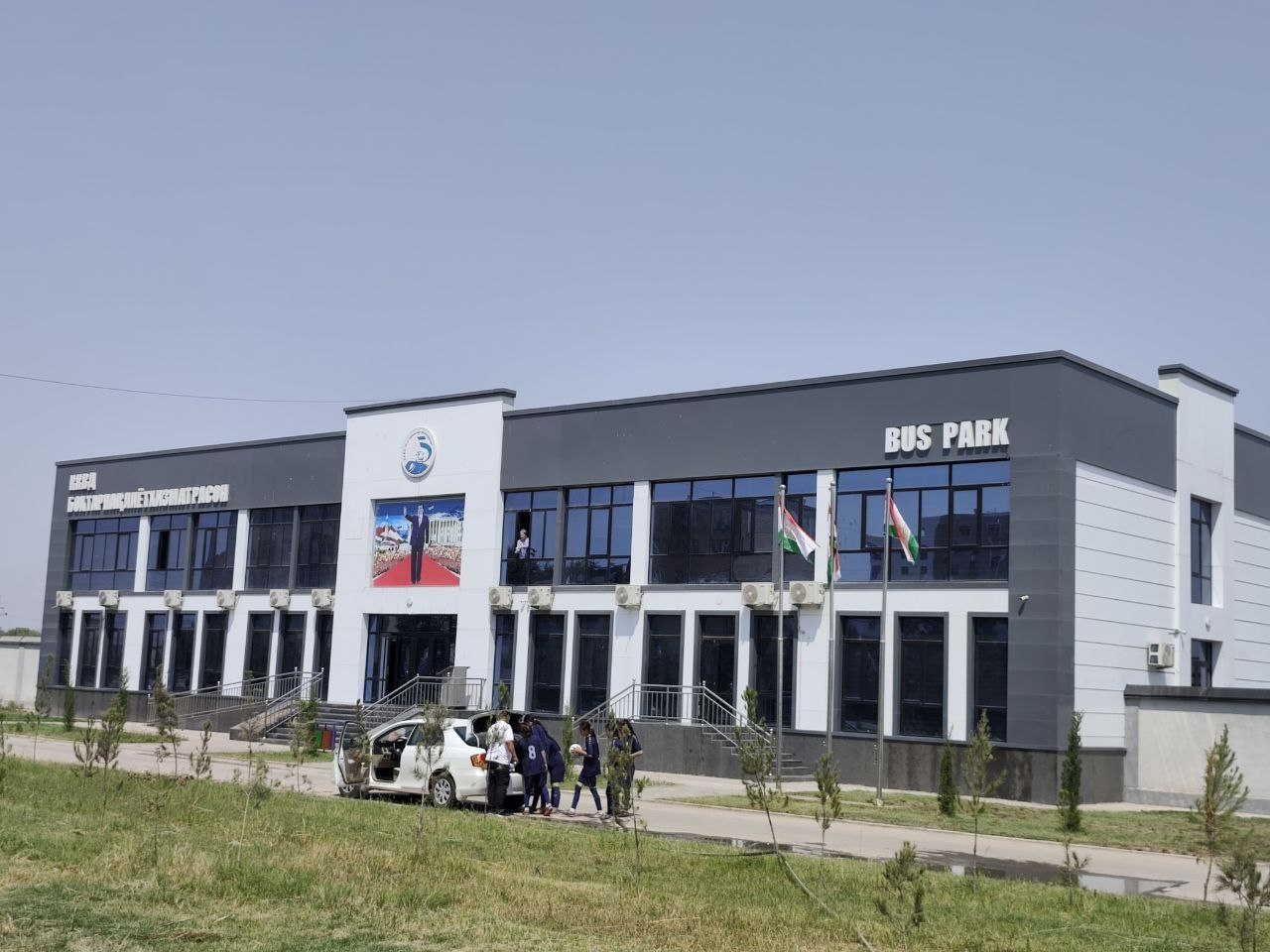
As part of the first stage of the project, the building of the State Unitary Enterprise "Bokhtarnaklietkhizmatrason" was built, and 41 buses worth $9.2 million were purchased.