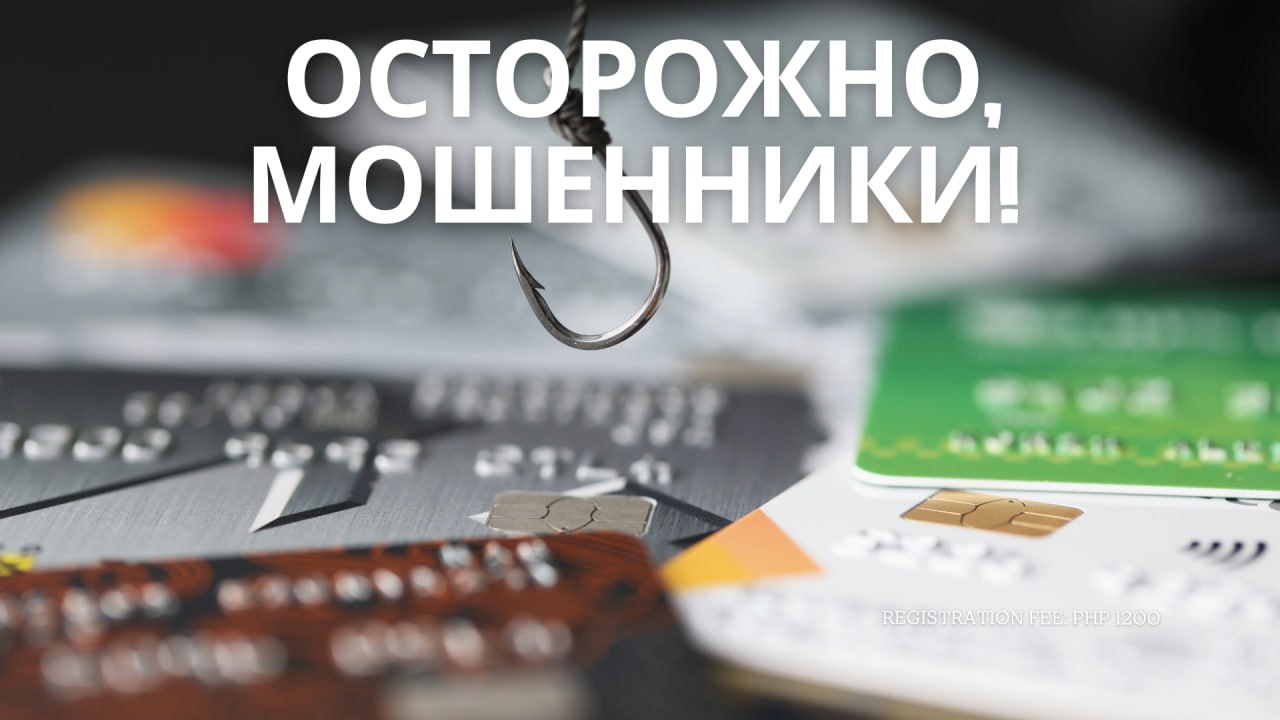
In recent months, complaints have been increasingly appearing on social media from users who have experienced a surge in online fraud. The scenario is similar in many cases: a person visits a website or a mobile application that looks like a familiar website or trading platform. To "verify identity" or "activate the bonus," the victim is asked to enter their bank card details.
After a while, money starts to be debited from the card: sometimes a large amount at once, and sometimes small payments to make them harder to notice.
How the scheme works
Fraudsters often resort to fake websites and applications that outwardly copy well-known brands and official platforms such as Pinduoduo, Taobao, Amazon, Poizon and others. They create completely fake services designed to resemble real websites as much as possible, thereby misleading users and encouraging them to enter their bank card details.
Most often they ask you to enter:
– card number
– its validity period
– CVV code
– sometimes even an SMS password.
After that, the attackers get full access to the funds on the card. In the case of Visa cards, this allows you to make purchases online without additional confirmations, especially if the card is linked to foreign payment systems, where two-factor protection is not always applied.
How to recognize a dangerous website
Website address: scammers often use similar domains by replacing letters or adding extra characters.
Spelling: errors in the text or outdated design.
Too good an offer: "90% discount", "Free gift" or "$100 sign–up bonus" is almost always a danger signal.
No contact information: No physical address, phone number, or real reviews.
How to protect yourself
– Never enter full card details on unfamiliar resources
– Use a separate card for online payments with a small balance
– Enable SMS or push notifications for all operations
– At the slightest suspicion, block the card through the bank and change passwords
Do not enter your card details on suspicious resources. It is especially dangerous to do this on unknown sites with an unsecured connection (without a lock icon in the address bar), on pages where you have accessed an advertising link from social networks, as well as on resources with suspicious domains or errors in the brand name.
Even a one-time "linking" of a card on such a site can lead to intruders gaining access to your funds. An extra minute to check the site can save months of struggle to recover stolen money.
Be careful, especially when using Visa cards online. Your data is your responsibility, and only care can protect you from fraudsters.