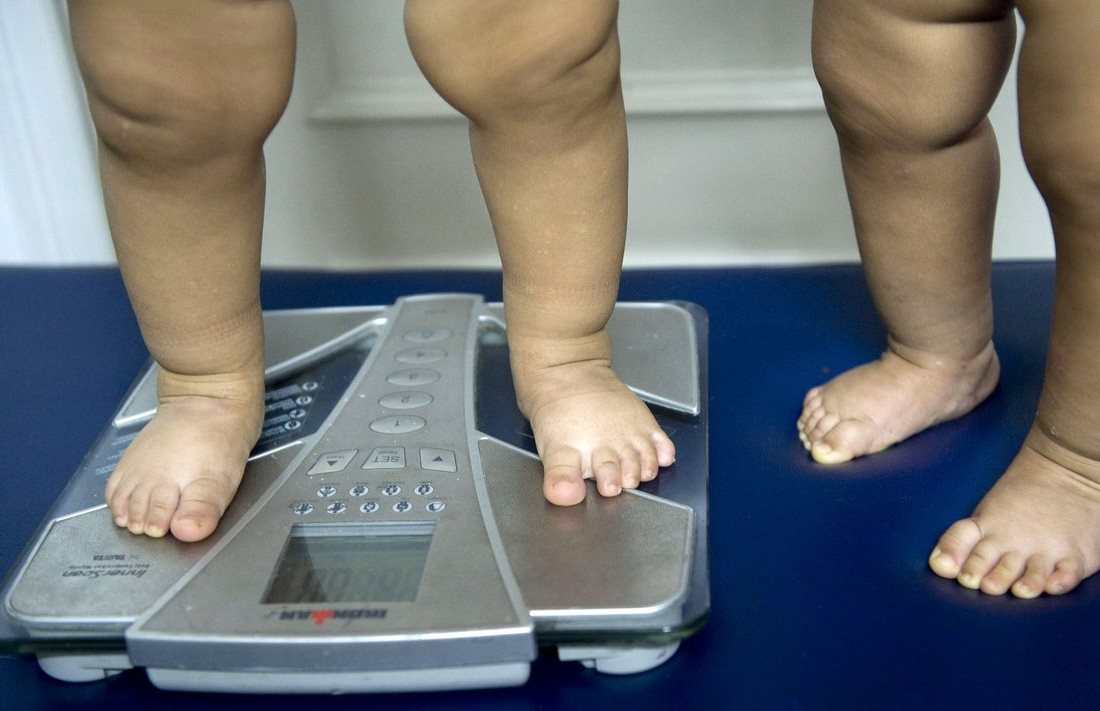
For the first time, obesity surpassed the rates of underweight among school-age children and adolescents and became the most frequent manifestation of malnutrition. According to a new UNICEF report, one in ten children on the planet suffers from obesity today – that's 188 million people, the UN News website reports.
Disturbing trends
The report, based on data from more than 190 countries, shows that the proportion of underweight among children aged 5-19 decreased from 13% in 2000 to 9.2%, while the obesity rate increased from 3% to 9.4%. Obesity now exceeds underweight rates in all regions of the world, with the exception of South Asia and sub-Saharan Africa.
Particularly high levels are recorded in the Pacific Islands: 38% of children in Niue are obese, 37% in the Cook Islands and 33% in Nauru. These numbers have doubled in the last two decades due to the shift from traditional nutrition to cheap imported products with high calorie content. The indicators remain high in developed countries: 27% of children in Chile, 21% in the USA and the UAE.
"Not just malnutrition"
UNICEF Executive Director Catherine Russell emphasized that malnutrition today is not only related to weight deficiency. According to her, increasingly, children's diets are formed by ultra-processed foods that displace vegetables, fruits and protein foods. This leads to serious consequences for growth, cognitive and mental development.
Although malnutrition and stunting are still relevant in low- and middle-income countries, obesity is increasingly spreading among schoolchildren and adolescents. According to the latest data, 391 million children and adolescents aged 5-19 are overweight, and a significant part of them are already obese.
The impact of the food industry
According to UNICEF, children's habits are largely shaped by an unhealthy environment. Fast food and ultra-processed foods rich in sugar, salt, and fats are prevalent in stores and school canteens, and aggressive digital marketing is increasing their popularity.
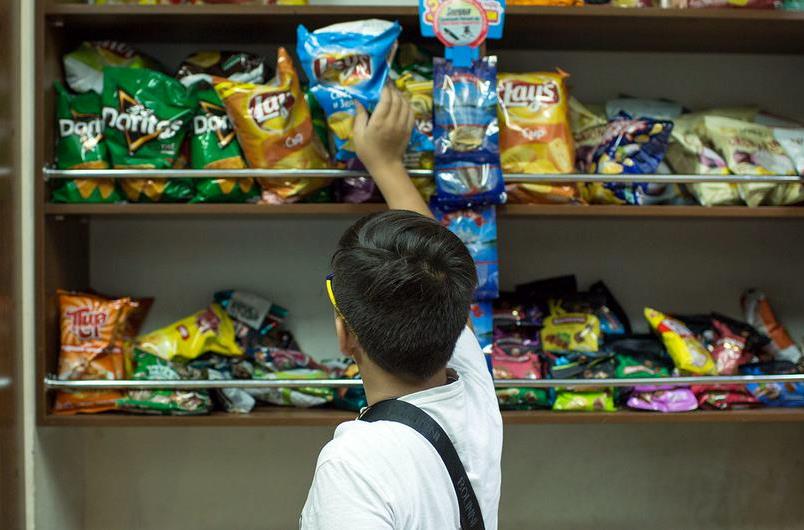
In a global survey of 64,000 young people from 170 countries, 75% reported that they had seen ads for sugary drinks or fast food in the last week, and 60% admitted that the ads had increased their desire to buy such products. Even in countries experiencing conflict, two thirds of respondents noted the impact of such advertising.
The price of inaction
The economic damage from obesity-related diseases could exceed $4 trillion annually by 2035, UNICEF warns. At the same time, there are successful examples of dealing with the problem. For example, in Mexico, authorities have banned the sale of sugary drinks and ultra-processed foods in schools.
UNICEF calls on governments and partners to implement measures to create a healthy food environment: labeling products, restrictions on marketing, taxes and subsidies, banning advertising and selling fast food in schools, as well as protecting policy decisions from the influence of industry.
"In many countries, we see the double burden of malnutrition – stunted growth and obesity. This requires targeted measures, – said Katherine Russell. – Inexpensive and nutritious food should be available to every child. Parents and guardians should receive support to ensure their children have a healthy diet."