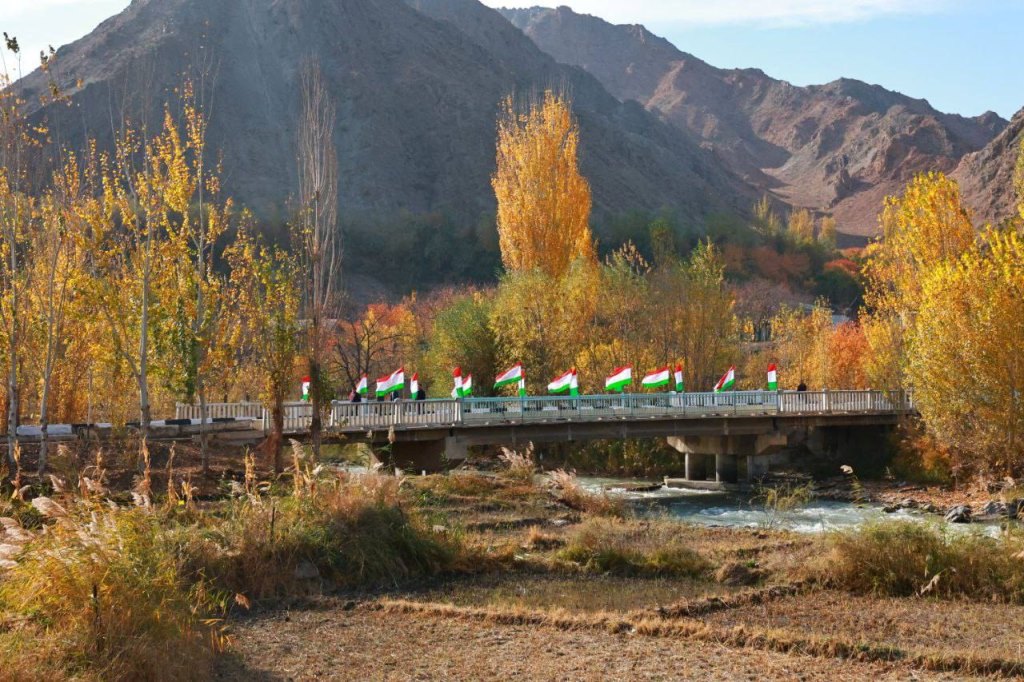
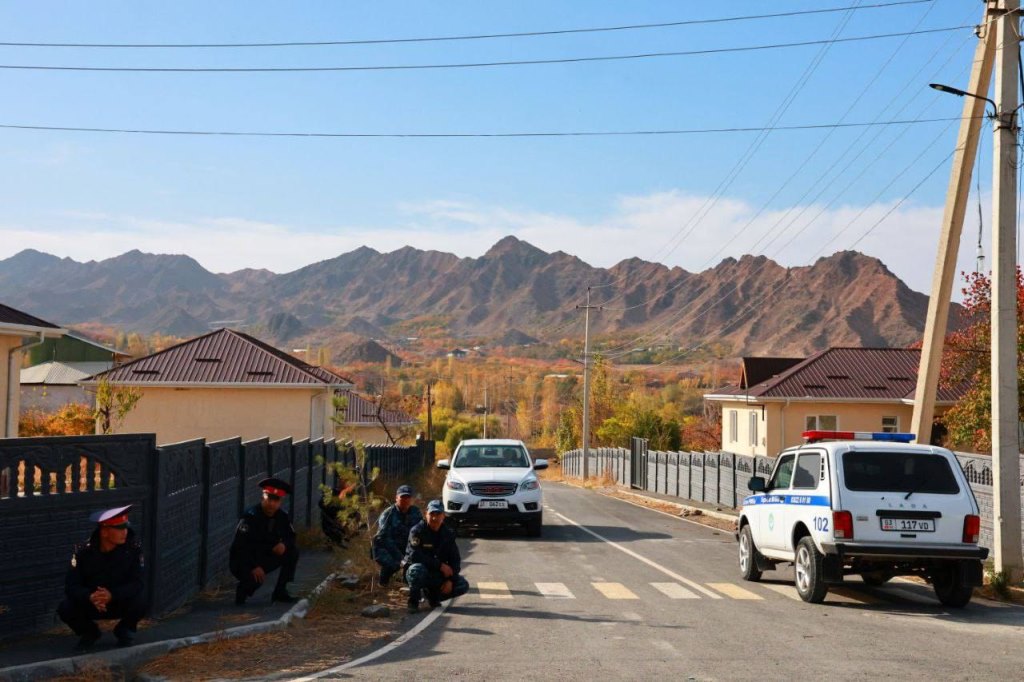
A once-disputed section of the Isfara–Chorkuh–Vorukh highway, long closed due to border tensions between Tajikistan and Kyrgyzstan, has officially reopened to traffic. The announcement was made by the press service of the Governor of Sughd Province.
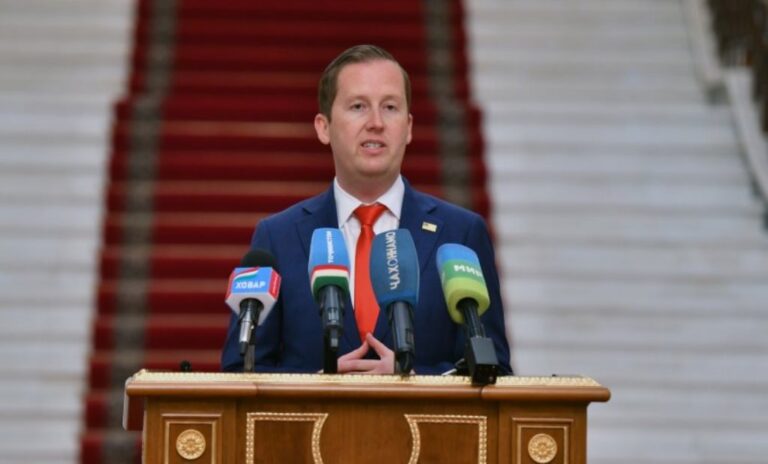
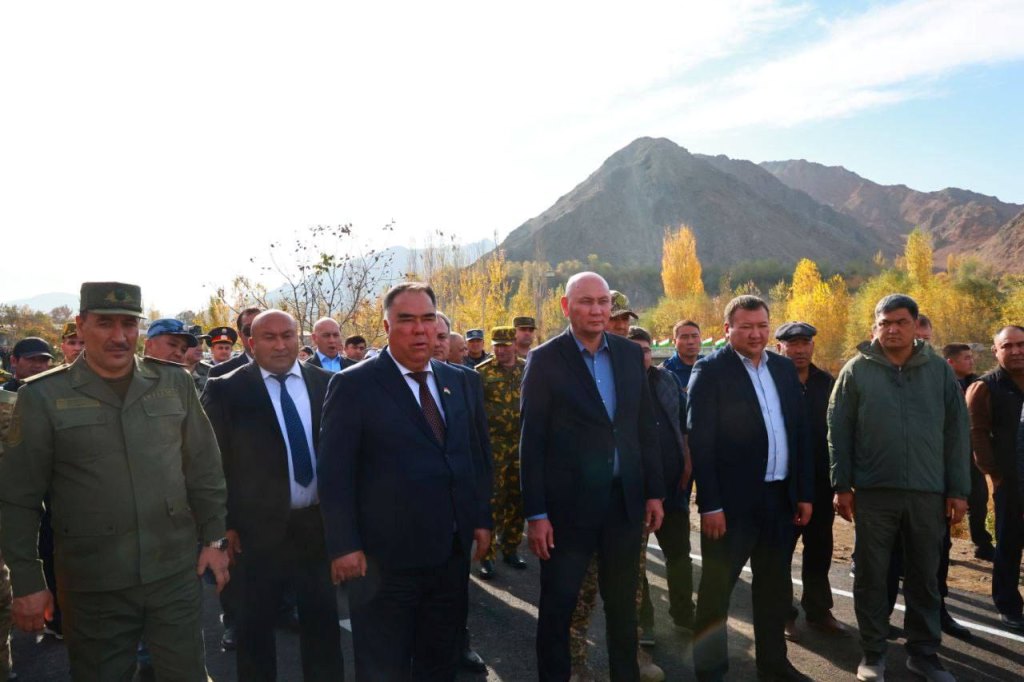
The opening ceremony was attended by Sughd Governor Rajabboy Ahmadzoda and Batken Governor Aybek Shamenov of Kyrgyzstan. The exact reopening date was not disclosed.
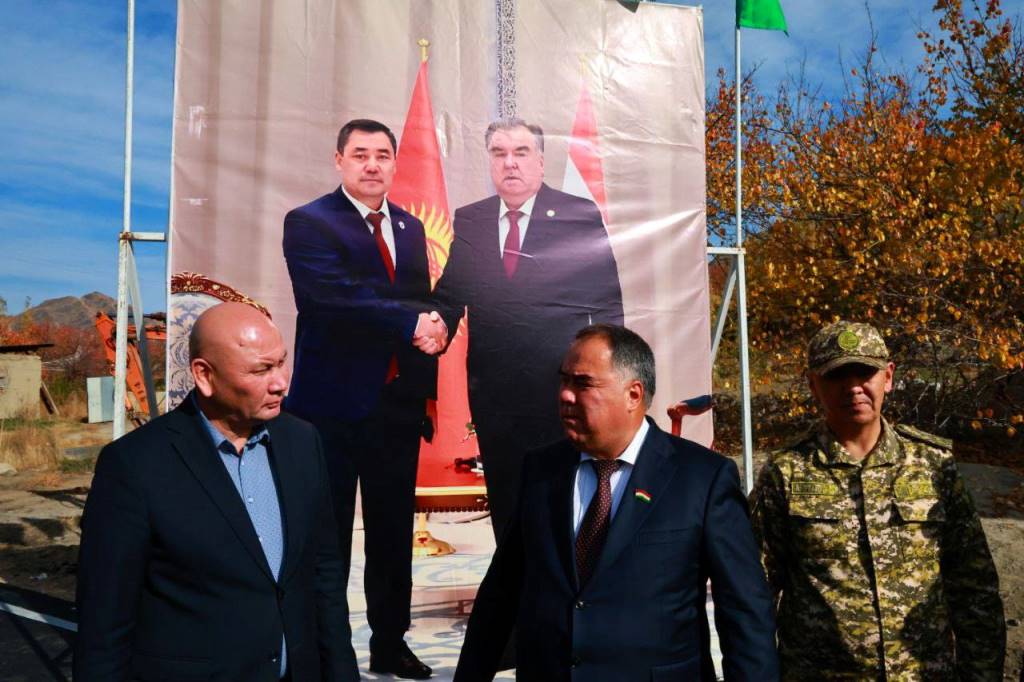
Previously, the road closure forced residents of the Vorukh and Chorkuh jamoats to take a longer route through the village of Chorbogh to reach Isfara. The reopening shortens the journey by about one kilometer, making travel significantly more convenient for locals.
Border land swap between Tajikistan and Kyrgyzstan
The road’s reopening became possible after a bilateral agreement on border demarcation, in which 65 hectares of land in the Karabok area—where the disputed road is located—were officially handed over to Tajikistan.
The agreement is part of the ongoing, multi-year process of border delimitation and demarcation between the two countries. It was previously presented to Kyrgyzstan’s parliament by State Committee for National Security (GKNB) head Kamchybek Tashiyev, who outlined the main terms of the land exchange.
Under the deal:
· Tajikistan received land parcels in Saada, Razzakov, Selkan, Mayty, Proletarsk, Ulak-Jay, Ak-Aryk, and Karabak—totaling 190 hectares. The country also gained control of a segment of the Khujand–Kanibodom–Isfara road and the “Dostuk” (Ark) market, covering 12 hectares.
· In exchange, Kyrgyzstan was granted the Kayragach area in the Leilek district, including the enclave of the same name, as well as 25 hectares of farmland in Lakkon, Tajikistan' Isfara district.
Tajikistan also acquired the Karabak–Lakkon road section (200 ha), which ensures direct access to Isfara, while Kyrgyzstan received 200 hectares of farmland near the village of Karabak and in the Kuruksay area.
Water resources and pasture land division
According to Tashiyev, the two sides also divided three water intake points at the “Golovnoy” intake facility. Kyrgyzstan received 750 hectares, including areas in Munzhu-Bulak, Karool-Don, and Katta-Tuz, bordering Tajikistan’s Niyozbek jamoat.
In return, Tajikistan received 141.9 hectares in the Isfara district, including lands in Dustuk, Mazait, Kok-Terek, Tash-Tumshuk, and Dacha. Kyrgyzstan was granted 142.7 hectares, including land in Somoniyon, Khoja-Alo, Dakhma, and Min-Bulak, as well as an additional 30 hectares in Lakkon as compensation for demolished homes in Dustuk.
“According to 1991 data, Tajikistan was using 19,000 hectares of land. After complex negotiations, we ceded 14,500 hectares. Additionally, at their request, we gave them 1,000 hectares of pasture around the Vorukh enclave. In return, we received 1,000 hectares of pasture in the Karagan-Sai area in the Chon-Alai district,” Tashiyev stated.
The reopening of the road marks a major step forward in easing cross-border tensions and improving transportation access for communities in the border regions.