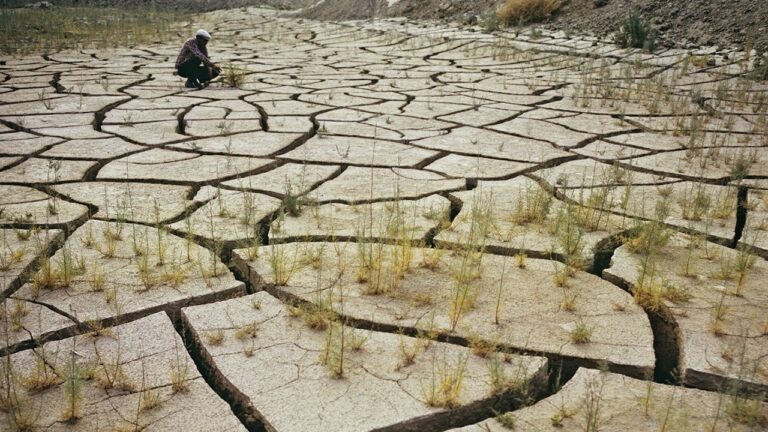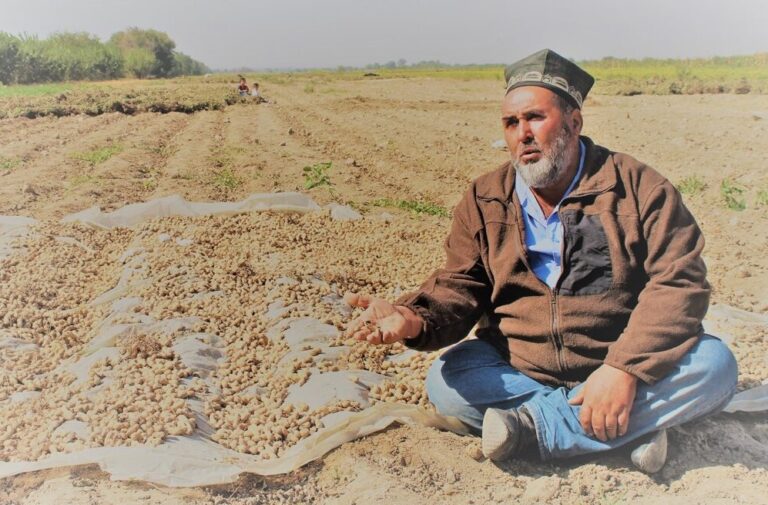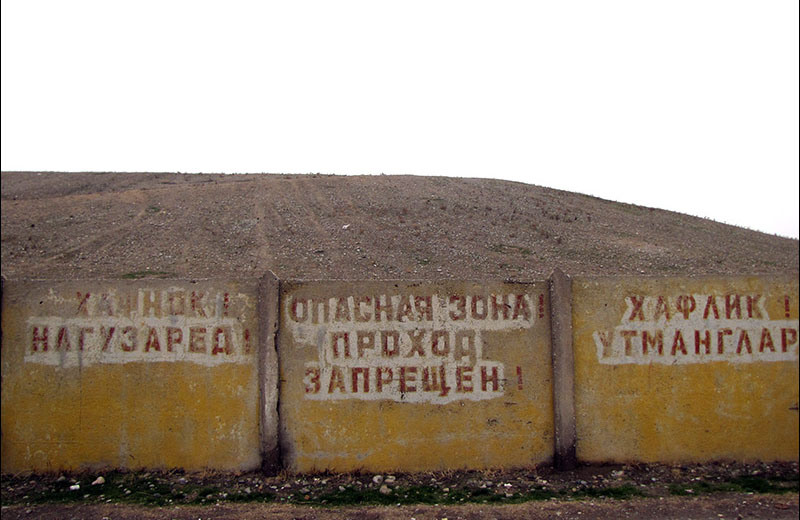
Tajikistan has inherited over 55 million tons of radioactive waste from the Soviet era — one of the most serious environmental legacies in Central Asia. Addressing this issue requires significant investment and long-term international cooperation.
According to the Ministry of Industry and New Technologies (MoINT), all uranium tailings are located in Sughd province, covering more than 170 hectares. Uranium was extracted in Taboshar (currently Istiqlol) and Adrasman beginning in the 1940s, often without consideration of natural hazards like earthquakes and floods.
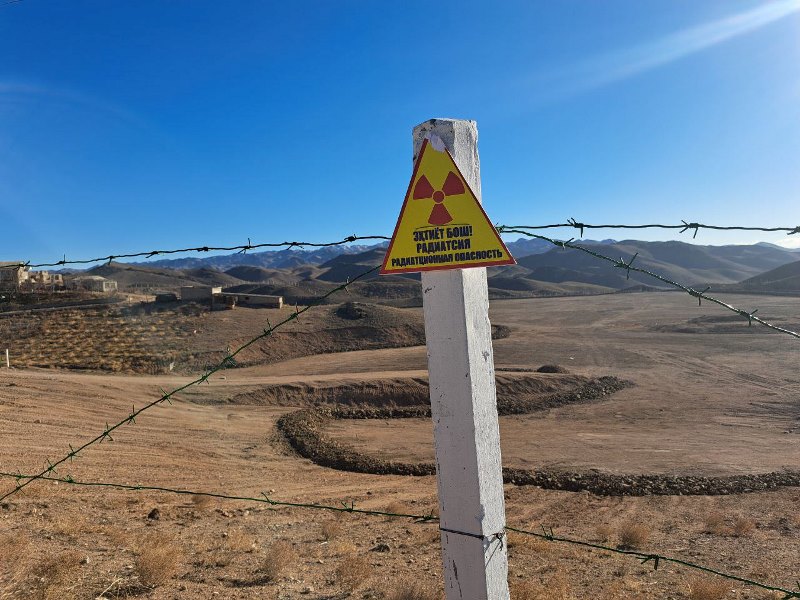
After the Soviet collapse, mining operations ceased, leaving behind abandoned mines and massive waste dumps. Since then, efforts to rehabilitate the sites have been slow. A major milestone came in 2023, when Tajikistan completed the first phase of cleanup in Taboshar — neutralizing 7.6 million tons of waste and reducing contaminated land by 57.6 hectares. But that represents just 17.5% of the total.
High-risk sites and the cost of cleanup
An official source within a MoINT says over 47 million tons of waste still need to be treated, and an additional 45 million tons at other locations also require rehabilitation. An agreement with Russia will see 1.563 billion rubles allocated for cleanup in Adrasman and Taboshar between 2025 and 2028.
The most hazardous sites include underground shafts and old dumps in Taboshar, as well as the Dehmoy tailings facility. These are especially vulnerable to landslides, floods, and dam failures and have been prioritized in the IAEA's Strategic Master Plan.
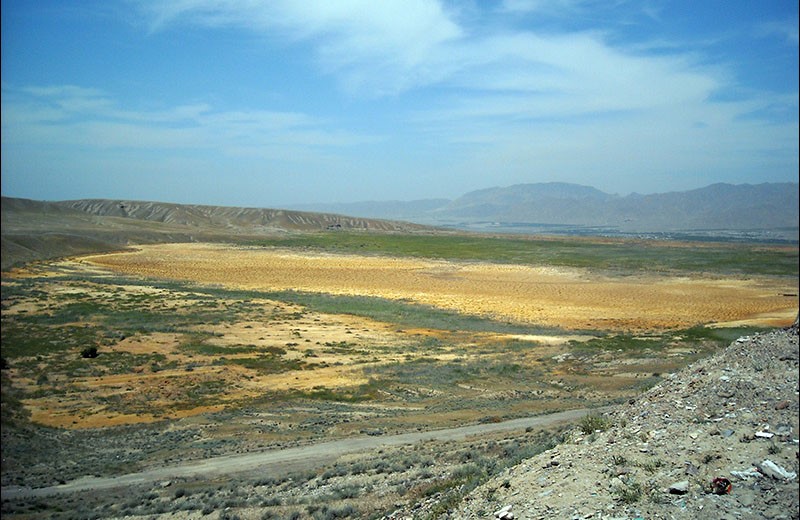
Independent assessments by Wismut, WISUTEC, and GEOS estimate that cleanup will cost €8.6 million in Taboshar and €24.5 million in Dehmoy.
Fully addressing the uranium legacy and creating a sustainable monitoring system will require over €100 million by 2030. A dedicated national center has been established under the state enterprise “Tajik Rare Metals” to oversee safety and post-rehabilitation monitoring.
New program and potential for resource recovery
In February 2025, Tajikistan approved a new national uranium rehabilitation program for 2025–2030. The plan includes legal reforms, engineering design, waste management, and workforce training. One key innovation is the evaluation of uranium waste for rare metals, which modern technologies can extract from even radioactive materials.
Field studies have already begun in cooperation with Uzbekistan’s Navoiuran and Kazakhstan’s Kazatomprom. Samples from Taboshar and Dehmoy are undergoing laboratory analysis.
If valuable elements are found, they will be extracted and remaining materials will be safely buried.
Is there a risk to groundwater?
Officials say no groundwater contamination has been detected. In Taboshar, radioactive waste was sealed under protective layers of neutral soil to prevent rain and snow infiltration. Additionally, low groundwater levels in the region reduce the risk of contamination.
“As long as snow, rain, and groundwater do not mix with the waste, the risk to water supplies is negligible,” the ministry said.