Access to centralized sewage systems remains a privilege for few in Tajikistan. According to government plans, by 2029, 30% of the population will have access to sewage, but currently, only about 15% of the population has access to sewage systems.
Jamshed Tabarzoda, Chairman of the Committee for Public Utilities (Kumitai Khojagii Manziliyu Kommunali), told reporters on February 2 that 67% of the population currently has access to clean drinking water, but only 15% have access to sewage. The issue is particularly severe in rural areas.
Underdeveloped infrastructure and sewage issues
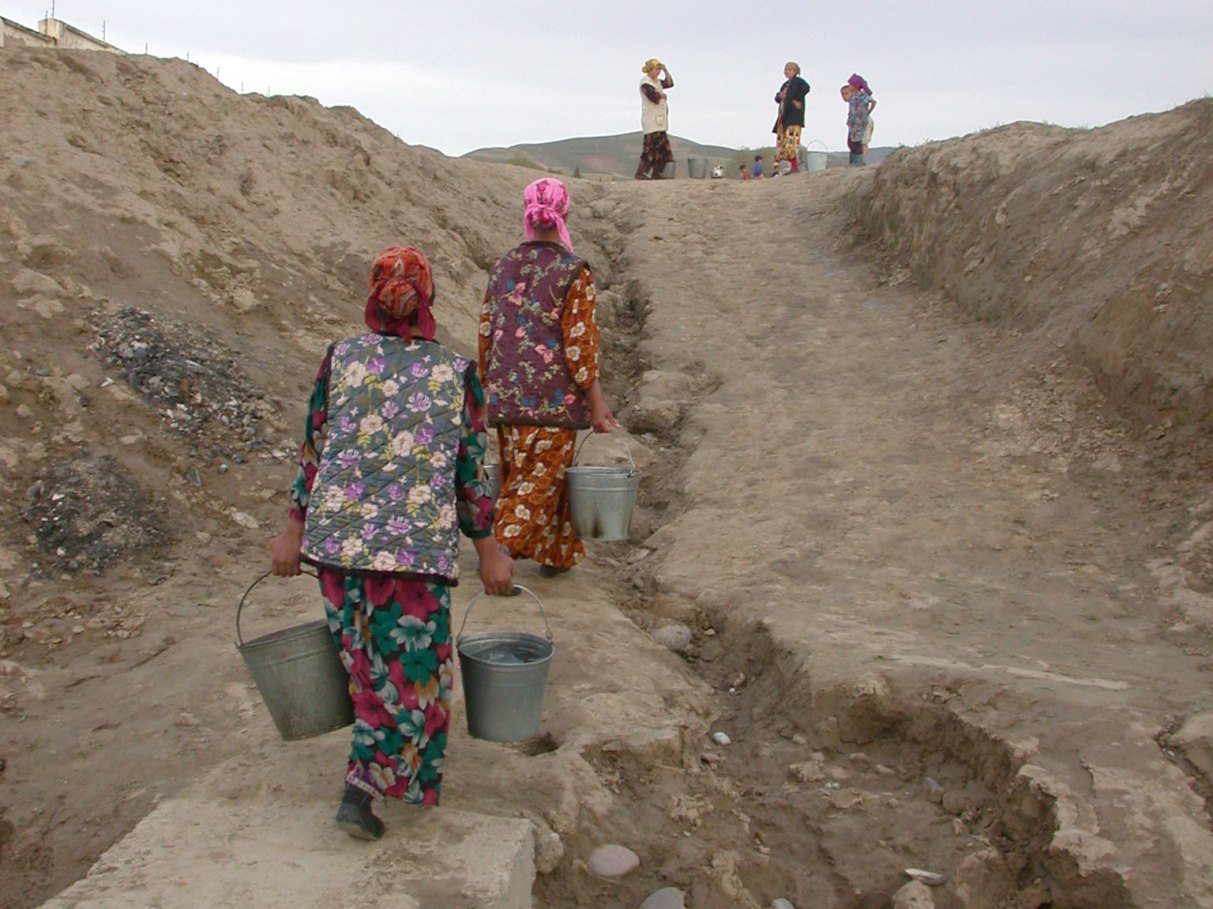
According to the National Water Strategy, approximately 41% of the population is covered by drinking water systems. In large cities, the coverage for water supply reaches 95%, in urban-type settlements it’s 48%, and in rural areas, it’s only 22%.
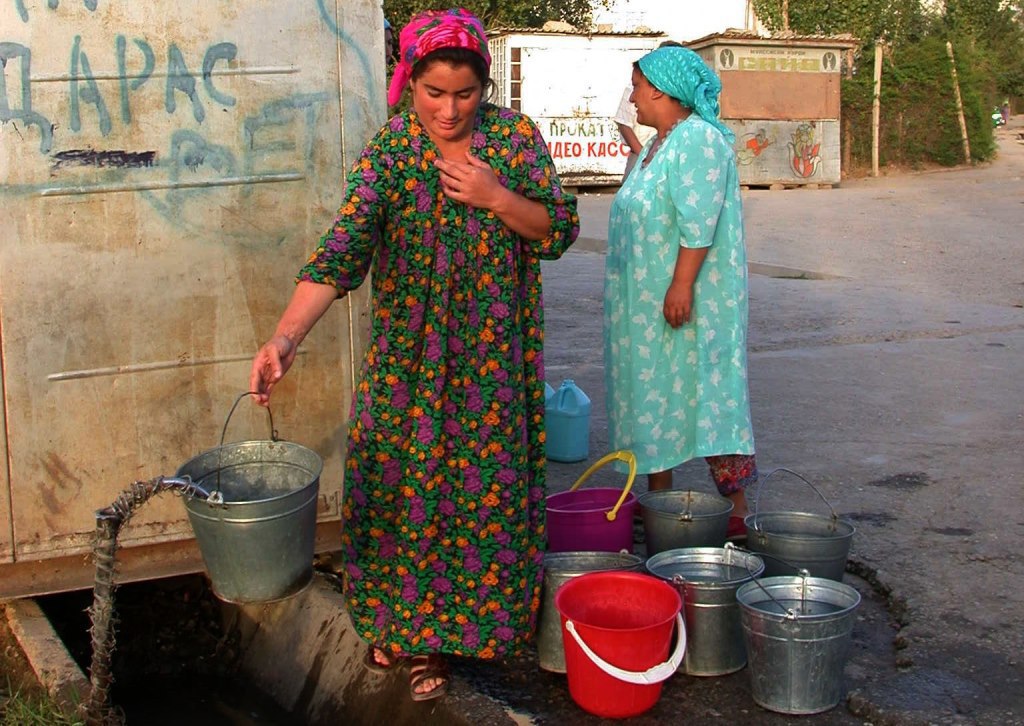
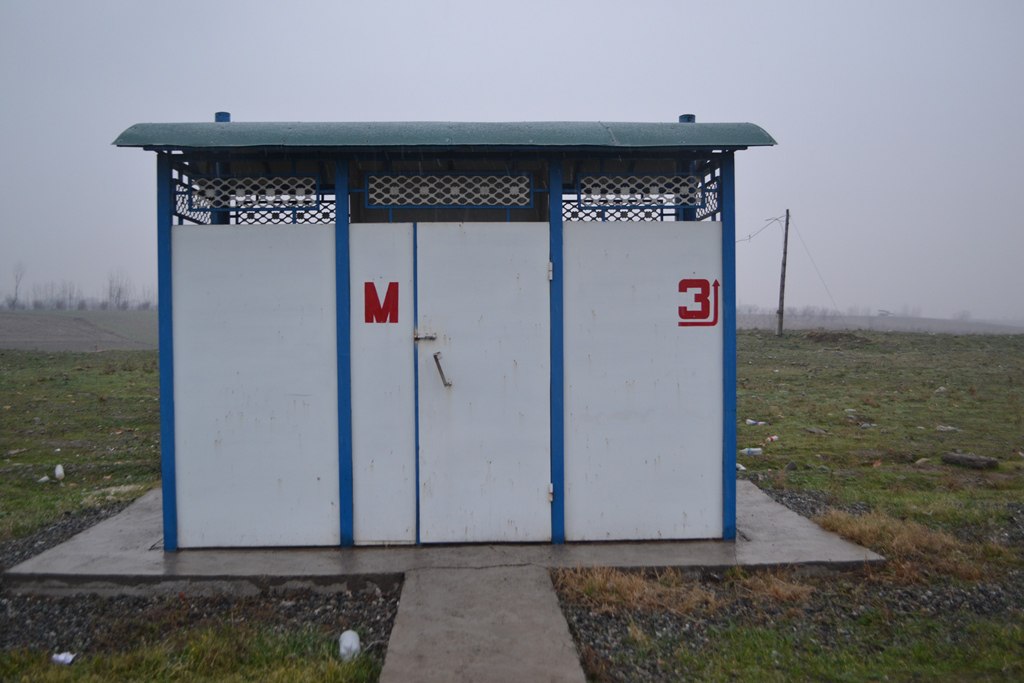
The situation with sewage is even more dramatic: in large cities, 64% of the population is connected to centralized sewage systems, in villages it’s 10%, and in rural areas, it’s only 0.1%. This means that for the majority of rural residents, sewage remains inaccessible, and sanitary infrastructure often consists of latrines and other inadequate solutions.
Water losses and poor accounting
Even in areas with running water, the quality of services remains a problem. Water losses in drinking water systems can reach 60%. The average water intake per person is about 250 liters per day, but consumers receive only half of this amount due to leaks, technical losses, and poor accounting.
Another serious issue is the low level of wastewater recycling, which in the country stands at just about 1%.
Plans for 2029
State plans for the coming years foresee significant improvements in the water supply and sewage sectors. Specifically, it is expected that by 2029, access to drinking water will increase from 41% to 72%, and access to sewage will rise from 15% to 30%.
Long-term goals set out in the National Water Strategy up to 2040 include increasing coverage of water supply systems from 41% to 90% and expanding access to centralized sewage systems from 15% to 50%.
Water supply modernization and sewage system construction
The State Program for 2025–2029 includes the modernization of water supply systems in dozens of cities and districts across the country, including Dushanbe, districts under republican subordination, cities and districts of GBAO, and significant parts of Khatlon and Sughd regions. Unlike water supply, sewage coverage is very limited, so the program also includes the construction of new sewage systems.
New sewage systems are planned for Rasht, Roudaki, Farkhor, Khovaling, Muminobod, Asht, Bobojon-Ghafourov, Jabbor-Rasoulov, and Mastchoh districts.
Main challenge: not just building, but maintaining the system
The main challenge is not only the construction of new systems but also effective water loss management, resource accounting, sustainable financing for operation and repairs, as well as the preparation of qualified personnel. Without addressing these issues, even with the expansion of networks, the gap between urban and rural areas may persist.