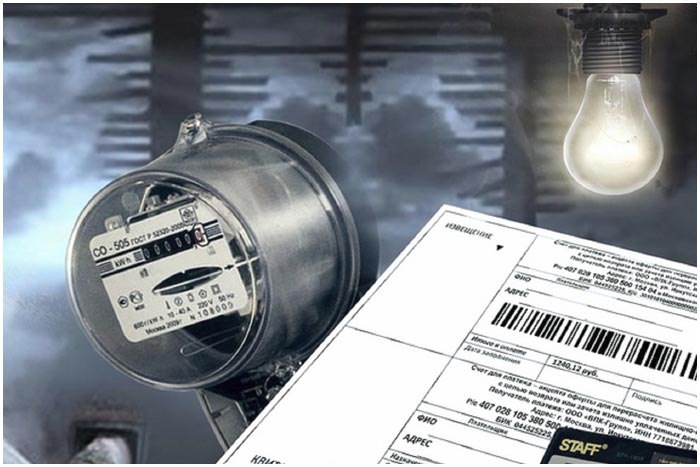
The recent increase in electricity and heating tariffs in Tajikistan is linked to the need to eliminate the financial deficit in the energy sector, fulfill obligations to credit institutions, rising production costs, and increased fuel and spare parts prices, as well as wage hikes for industry workers. This was stated by Haidarali Rajabzoda, head of Tajikistan’s Anti-Monopoly Agency, during a news conference on February 6.
According to Rajabzoda, tariff revisions were made twice in 2025. It is worth noting that electricity tariffs for households had already been raised in April of the previous year.
"Starting from February 1, 2026, the decree on 'Tariffs for Electricity and Heat Energy' has come into effect. This project was adopted at a government meeting on December 29 and aims to develop the energy sector and achieve financial stability for companies such as Barqi Tojik, the Electricity Transmission Network, and the Electricity Distribution Network," said Rajabzoda.
A representative of the Anti-Monopoly Agency emphasized that the tariff hikes will impact many sectors of the economy, as electricity is a key resource for most industries.
For example, mobile operators and telecommunications companies will see an increase in costs for operating base stations, which rely heavily on electricity.
The changes will also significantly affect the household sector, as more than 90% of the equipment in homes and apartments in Tajikistan runs on electricity.
In the manufacturing sector, almost all equipment also depends on electricity. As a result, a chain reaction of rising costs is formed, ultimately leading to higher prices for goods and services.
This latest round of changes, implemented nine months after the tariff increase in April, is part of a long-term strategy to develop Tajikistan's energy sector.