The government of Tajikistan has approved a draft Memorandum of Understanding (MoU) with the United Kingdom to collaborate on critical minerals. The corresponding decree was signed by President Emomali Rahmon, who is the Head of the Government, on February 23, 2026.
According to the document, the MoU will be concluded between the Ministry of Industry and New Technologies of Tajikistan and the government of the United Kingdom, represented by the Foreign, Commonwealth and Development Office.
The Minister of Industry and New Technologies has been tasked with signing the document, while the Ministry of Foreign Affairs of Tajikistan will coordinate with the British side to agree on the date and venue of the signing.
Key provisions of the memorandum
The MoU emphasizes the importance of sustainable, transparent, and reliable supply chains for critical minerals to support industry, economic growth, and the transition to clean energy. The document underlines that these minerals are vital for national security, sustainable development, and achieving carbon neutrality, though they remain vulnerable to disruptions and supply concentration risks.
The agreement aims to diversify supply chains, reduce dependency on a limited number of suppliers, and prevent negative consequences, including human rights violations and conflict risks, through responsible mining and supply practices.
The MoU outlines several key areas of cooperation:
· Enhancing and adhering to high sustainability standards across all stages of mining and project implementation, including Environmental, Social, and Governance (ESG) standards.
· Supporting commercial activities in the extractive sector, including organizing trade missions, holding roundtables to improve mutual understanding of market access requirements, supporting exports of goods and services between the two countries, and attracting investments via the UK financial markets.
· The possibility of considering applications for export credit and insurance subject to established requirements.
· Exploring scientific and educational cooperation, including developing academic partnerships and strengthening institutional capacity.
A Joint Working Group on Critical Minerals will be established to coordinate interactions, with meetings planned twice a year. Experts may be brought in as necessary, and specific projects may be formalized through additional protocols.
The agreement will come into force once all internal procedures are completed and the final written notification is received. Its duration is set for five years, with automatic renewal unless either party notifies the other of termination at least 90 days before the expiration.
The signing of the document will take place at a mutually agreed time and location.
Tajikistan’s critical mineral resources
Critical minerals include rare earth metals, rare metals, energy minerals (such as uranium and thorium), and other essential minerals. Tajikistan possesses many of these resources, creating opportunities for cooperation with the UK and other countries in the areas of mining and sustainable supply of critical minerals.
According to official geological data, Tajikistan is home to significant reserves of the following critical minerals:
· Lithium (indications of lithium deposits, a key metal for electric vehicle batteries and electronics)
· Rare Earth Elements (deposits of rare earth elements, potentially including cerium, praseodymium, and others, important for electronics, magnets, and renewable energy)
· Niobium and Tantalum (large deposits of niobium and tantalum—strategic metals for the aviation, electronics, and medical industries)
· Copper (copper ores are present in many deposits—critical for power generation and infrastructure)
· Nickel (data on nickel reserves—vital for batteries and steel production)
· Aluminum (Tajikistan is a major aluminum producer, which, although not always considered a "rare" metal, is strategically important for transportation and industry)
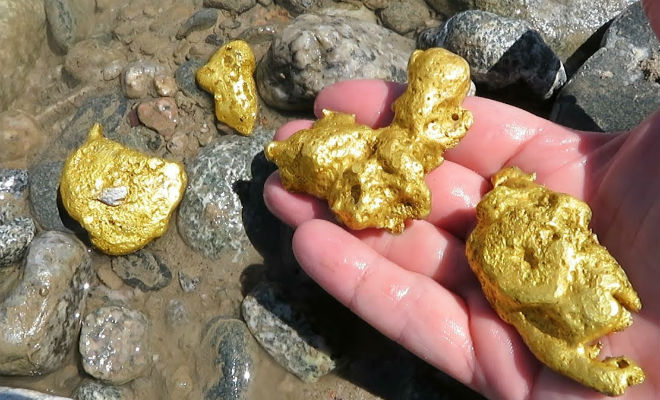
· Antimony, Lead, Zinc, Silver, and Gold (large reserves of these metals)
Additionally, Tajikistan has identified or has prospects for elements such as titanium, bismuth, selenium, tellurium, tin, and others, which are often listed among critical minerals in various countries.
This cooperation opens the door for Tajikistan to strengthen its position in the global supply chains of these vital resources, offering significant opportunities for the country's mining sector and sustainable development.