Even if the US-Israel war on Iran remains confined within the country, it will have varying degrees of impact on the Central Asian region. Iran is a key trading partner, an essential transport corridor, and a significant political player in the region.
Scenario 1: a limited conflict
If the conflict remains localized and does not escalate into a regional war, there will be no direct security threats to Central Asia. However, Tajikistan could face indirect consequences, primarily in the form of macroeconomic effects through three key channels.
Energy channel
Tajikistan relies heavily on imports of petroleum products, as its domestic production is minimal. Although the country does not import oil products from Iran, global price increases will lead to higher fuel costs for all exporting countries, including Russia, the main supplier of fuel to Tajikistan. In 2025, about 80% of Tajikistan’s fuel imports came from Russia. With geopolitical instability in the Middle East and potential disruptions in the Strait of Hormuz, oil prices could rise sharply. This will increase transportation costs and inflationary pressure on consumers, lowering purchasing power and expanding the trade deficit.
Logistics channel
Iran is a key element in the "North-South" transport corridor, through which Tajikistan receives imported goods and access to the Persian Gulf ports. Even without direct infrastructure damage, regional instability will likely result in increased shipping costs, longer delivery times, and potential supply chain disruptions, leading to inflationary pressure within Tajikistan.
Financial channel
Global financial markets are sensitive to instability, with investors often turning to more stable assets like the dollar. This could strengthen the dollar and weaken the Tajikistani somoni. A weakened somoni would make imports more expensive, pushing up domestic prices, especially for fuel and essential goods. The weakening currency could also make Tajikistan’s foreign debt harder to service, adding pressure on the national budget and potentially slowing foreign investment.
Scenario 2: escalation and involvement of major powers
If the conflict in Iran escalates and major powers become more involved, the consequences for Tajikistan will not just be military but also economic. As tensions rise, infrastructure and logistics will be affected, oil prices and transportation costs will increase, and there will be mounting pressure on neighboring countries’ budgets. Tajikistan’s economy, which relies heavily on external markets, transport corridors, and financial flows, will feel the ripple effects: currency depreciation, rising costs, and delays in projects.
Logistics vulnerability
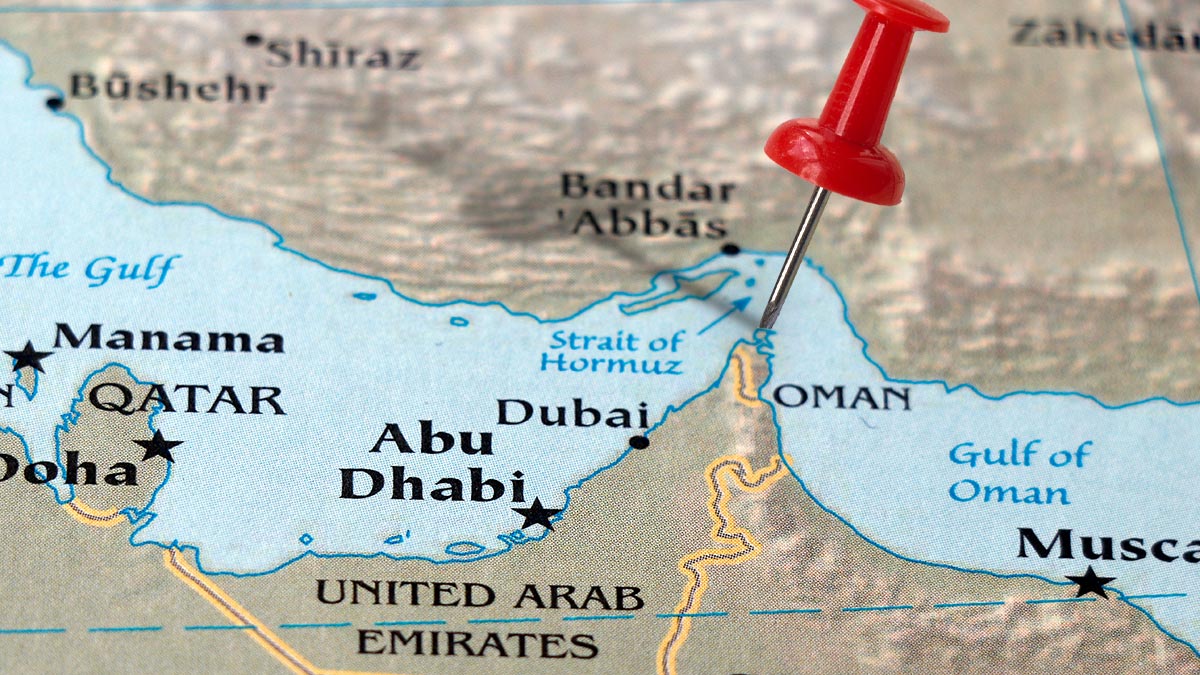
The Strait of Hormuz, which accounts for a significant portion of global oil shipments, could see disruptions due to regional instability. Tajikistan, which is landlocked, relies on neighboring countries’ transport routes. Any disruptions to these routes will lead to higher import costs, including for fuel, industrial equipment, and building materials, directly affecting project costs and consumer prices within Tajikistan.
Trade risk
Tajikistan’s trade with Iran has grown significantly in recent years, with trade volumes increasing by 28.1% between 2024 and 2025. However, an escalation of conflict could lead to secondary sanctions risks and hinder banking transactions, causing delays and uncertainties in trade. Even without formal sanctions, business activity could slow as firms seek to minimize risk.
Economic consequences
If global oil prices continue to rise, Tajikistan will face further inflationary pressure. This will weaken the somoni, increase the cost of living, and exacerbate the country’s trade deficit. Moreover, a slowdown in major economies like Russia or China, as a result of the conflict, could reduce trade, investment, and remittance inflows, compounding the economic strain.
Scenario 3: destabilization within Iran
The most concerning scenario is one in which internal instability in Iran results in the collapse of central authority, economic collapse, increased protests, or even fragmentation of the political system. The consequences for the region would be not only economic but also long-term geopolitical.
Migration chains via Afghanistan
In the event of severe instability in Iran, part of the population could flee to Afghanistan, triggering a new wave of migration toward Tajikistan’s borders. For Tajikistan, this would mean an increased burden on border security and internal safety measures. Iran's political weakening could alter the balance of power in Afghanistan, particularly in the western and northern provinces, intensifying competition among regional players and the activity of radical groups. For Tajikistan, with its complex border with Afghanistan, this scenario would directly impact national security.
Decline in investment and trade activity
Iran plays a key role in Tajikistan’s infrastructure and energy projects. For instance, Iran helped build the Sangtuda-2 hydroelectric power plant and invested in the construction of the Istiklol Tunnel. However, internal instability in Iran could lead to the freezing of these projects, along with trade disruptions and reduced logistical cooperation.
Weakened transport and transit prospects
Iran is a critical transit route for Tajikistan, providing access to ports in the Persian Gulf. Prolonged instability would hinder the development of southern transport corridors, increase transit costs, and deepen Tajikistan’s reliance on alternative routes.
Why Tajikistan is not just a bystander
Tajikistan’s economy is closely tied to the outside world, particularly through labor migration, external trade, and dependence on energy and food prices. Even if international conflicts do not directly affect the country, their consequences are felt in the form of remittance fluctuations, rising fuel and food prices, currency depreciation, and inflation.
Tajikistan’s economy remains vulnerable due to its reliance on external factors and relatively small domestic markets. Therefore, any external crisis (whether financial, political, or military) quickly impacts the incomes of the population and the business environment. To mitigate the possible effects, experts suggest diversifying transport routes, strengthening energy independence, and expanding foreign trade ties.
It’s important to note that the current situation does not necessarily indicate a disaster, but rather a test of resilience. The extent of the consequences depends on how long the instability lasts, the impact on oil and essential commodity prices, and the overall health of the economy—its reserves, budget, and National Bank policies. If the situation stabilizes quickly, the impact will be manageable. However, prolonged instability could lead to increased pressure on the currency, budget, and public incomes, posing a significant economic challenge for the country.