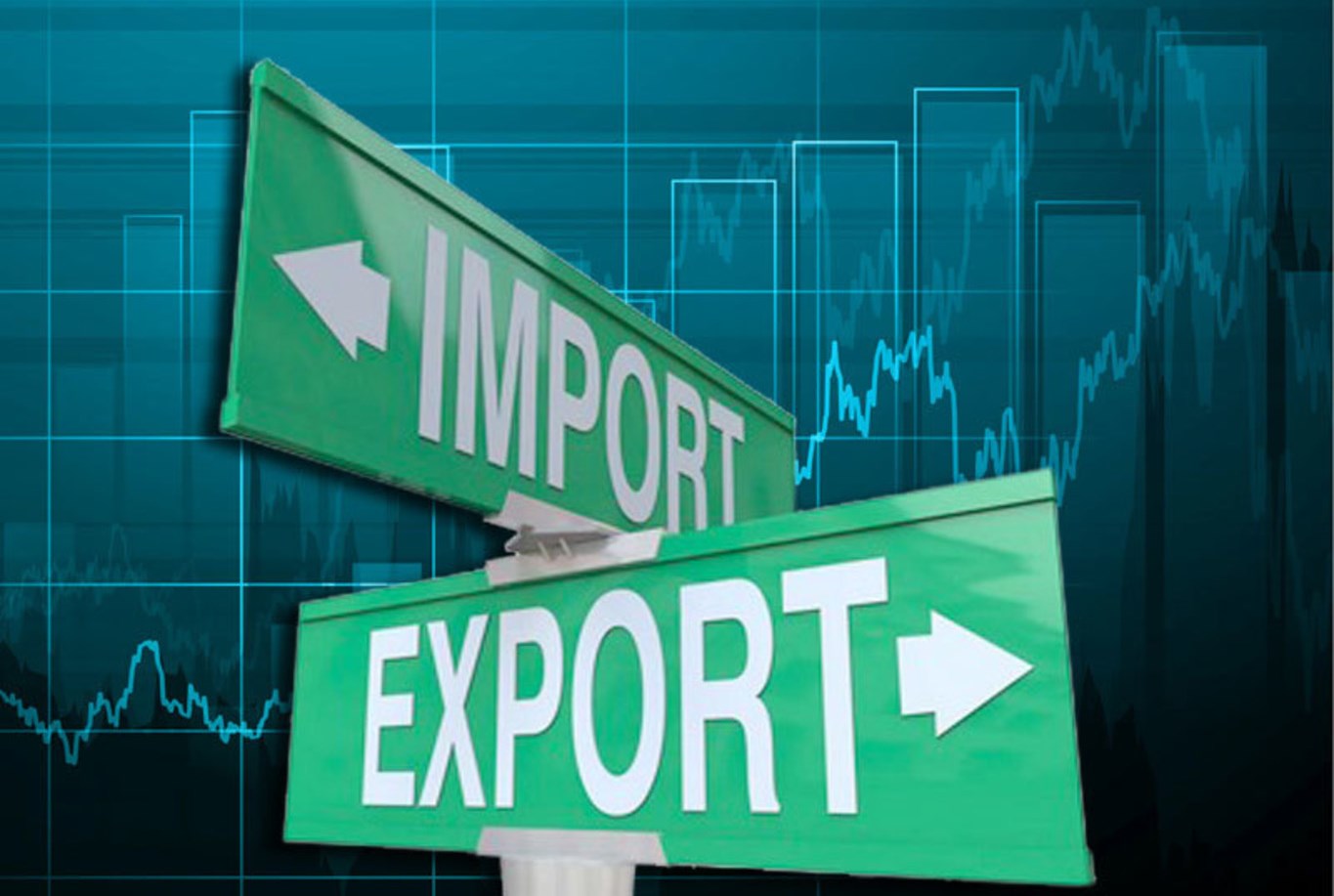
Tajikistan’s external trade deficit in goods widened to $579 million in January this year, compared with $478 million in the same month of 2025, according to the weekly macroeconomic review of the Eurasian Development Bank (EDB).
Analysts say the increase in the deficit was mainly driven by a sharp rise in imports.
“The widening of the deficit was caused by a 27.2% year-on-year increase in imports amid growing domestic demand in the economy,” the report states.
Tajikistan significantly increased its imports of vehicles (up 52.7%), machinery and equipment (up 32.7%), and food products (up 55.7%).
At the same time, exports also recorded strong growth.
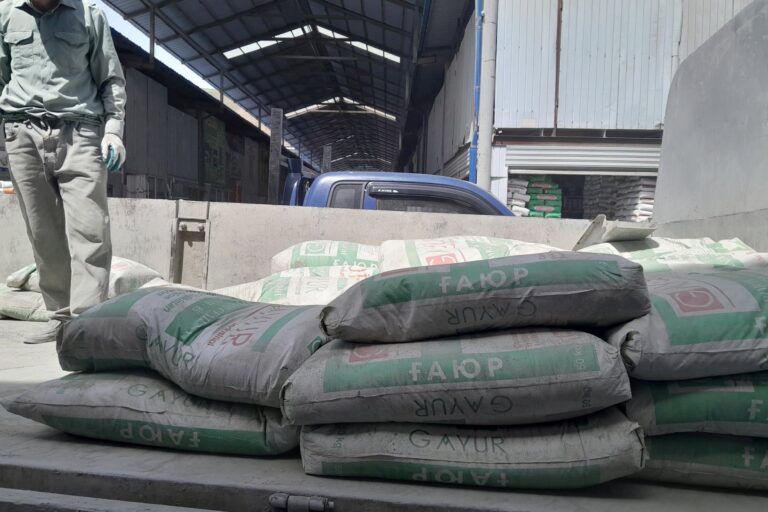
“Exports rose by 53.1% year-on-year, supported by higher shipments of precious and non-ferrous metals, textiles, and mineral products, including cement and ore concentrates,” EDB analysts noted.
According to Tajikistan’s Agency for Statistics, the country’s total foreign trade turnover reached $929 million in January, which is 31.4% (or $221.9 million) higher than in the same period last year.
The balance remained negative at $578.6 million.
In January, Tajikistan maintained trade relations with 94 countries worldwide.
Exports totaled $175.2 million, increasing by 53.1% (or $60.8 million) compared with January 2025.
Exports by main commodity groups — January 2026
Categories:
· Mineral products — 44.9%
· Base metals and articles thereof — 29.6%
· Textiles and textile products — 10.8%
· Machinery and equipment — 6.5%
· Products of plant origin — 4.1%
· Chemical industry products — 0.6%
· Other goods — 3.5%
Imports amounted to $753.8 million, up 27.2% (or $161.1 million) year-on-year.
Imports by main commodity groups — January 2026
Categories:
· Mineral products — 20.0%
· Base metals and articles thereof — 13.4%
· Machinery and equipment — 13.1%
· Chemical industry products — 7.5%
· Products of plant origin — 7.2%
· Prepared food products — 5.7%
· Wood and articles of wood — 4.2%
· Plastics, rubber and articles thereof — 3.6%
· Animal and vegetable fats and oils — 1.6%
· Other goods — 23.7%
Tajikistan’s major trading partners remain China ($281 million), Russia ($237 million), and Kazakhstan ($120 million).