More than a year has passed since the border between Tajikistan and Kyrgyzstan was opened and the final border agreement was signed. It was expected that with the opening of borders between the two neighboring countries, the joint border markets would also soon open and trade would resume. But this has not happened yet.
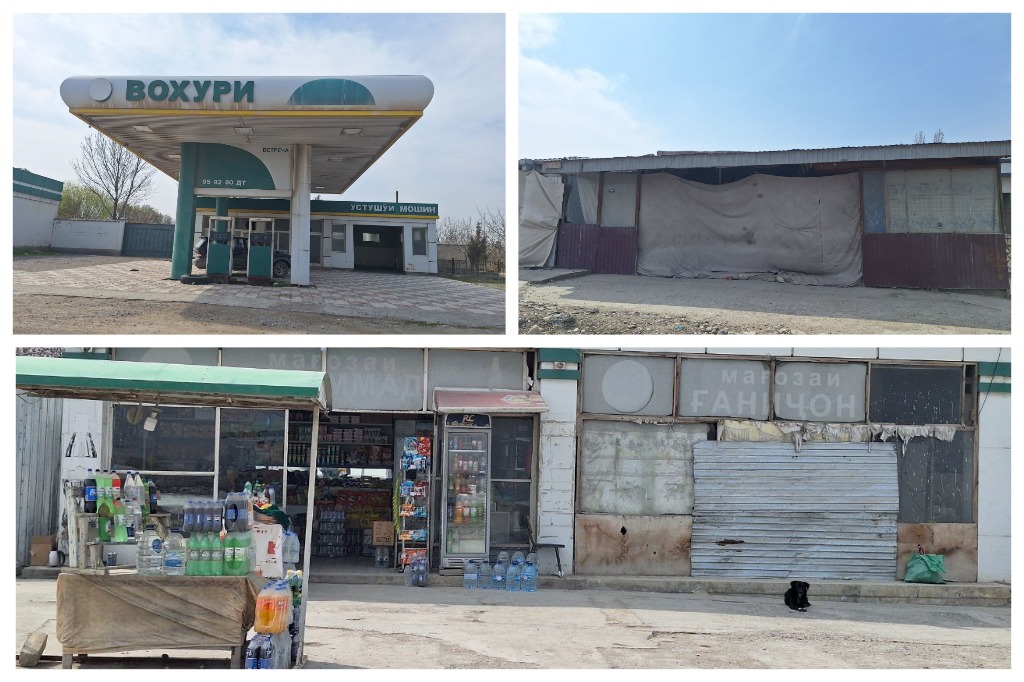
To assess the situation, we visited the “Vokhuri” (“Meeting”) market, one of the joint markets on the border of Tajikistan and Kyrgyzstan, located in the village of Khistevarz in the Bobojon Gafurov district. It used to be full of people.
A Bazaar Turned into Ruins
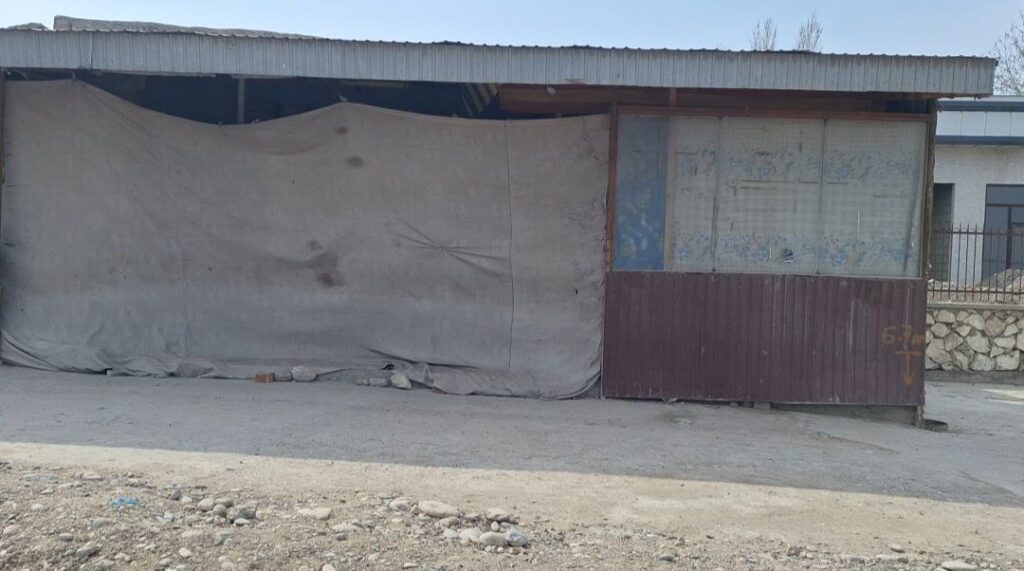
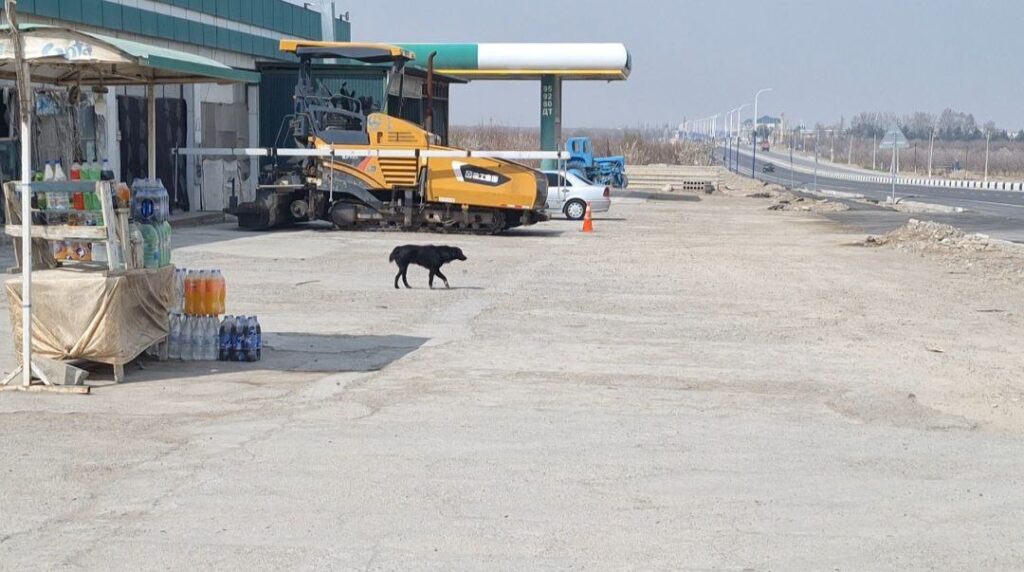
We went to the bazaar on March 18. All the shops, except for one small kiosk where a woman was trading, were closed and sealed.
The only vendor we met at the market was selling food products. At first, she did not want to talk to us, but then she agreed – without giving her name and without recording.
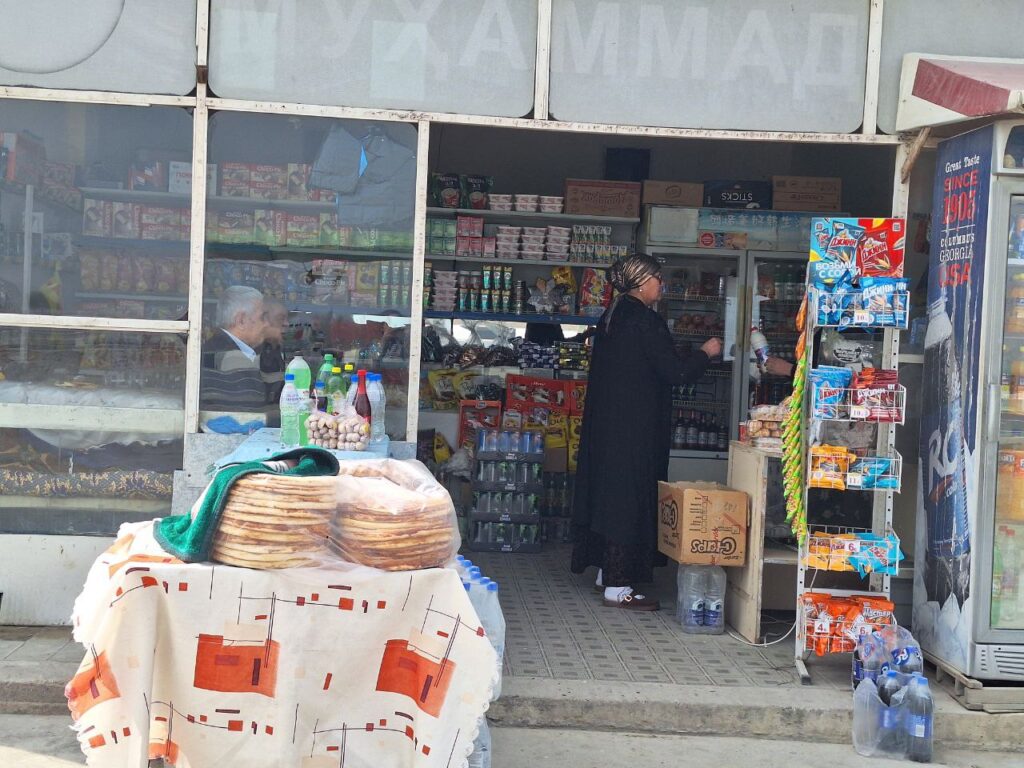
She has been trading here for 13 years.
According to her, trade at the “Vokhuri” bazaar used to be good, but after the start of border conflicts and the closure of the border, due to the significant decrease in trade, vendors began to leave this place.
“The goods we brought from Kyrgyzstan became unavailable,” she says.
But even after the border opened, the situation did not change. “Citizens of Kyrgyzstan no longer come. They fenced their border, and now there is no movement at all,” the woman added.
Her kiosk operates around the clock, but despite this, only 10-15 customers come to her in 24 hours, and most of them are citizens of the border areas of Tajikistan and Uzbekistan.
The entrepreneur says that she used to trade with her husband, but after the decline in trade, her husband left to work abroad. The remaining traders also left the bazaar – now only two people work here – she and her neighbor, but he opens his store only from time to time.
Now “Vohuri” more resembles ruins – with collapsed and worn-out walls and rows.
What Do the Authorities Say?
Two joint markets operated in the Bobojon Gafurov district – one in the “Ovchi-Kalacha” rural community and this one – “Vohuri”. Now the livestock market has completely ceased its activities.
Despite the opening of the border and the development of bilateral relations, the joint markets of Tajikistan and Kyrgyzstan are still not open, and the authorities do not explain the reasons for this.
Abdukahhor Abdudjalilov, deputy chairman of the Khistevarz rural community, confirmed to “Asia-Plus” that there are very few buyers left.
“Entrepreneurs saw that they were paying taxes but had no profits and left the bazaar,” he explained the departure of the traders.
Hope Fades with Each Passing Day
The exact number of markets in the border areas of the two countries is unknown, but several years ago, at least 10 border bazaars operated on the Tajik-Kyrgyz border. Almost all of them are now empty.
These markets, until the last border conflict – in 2021-2022 – were not only places of lively trade but also meetings between Tajiks and Kyrgyz.
Problems began in 2013. At that time, Kyrgyzstan closed the markets to Tajik vendors, citing non-compliance of imported goods with sanitary and epidemiological standards. Later, Tajikistan also prohibited the neighbors from selling goods.
Negmatullo Mirsaidov, a border issues expert, is confident that if bilateral trade in the border areas of the two countries is restored, the situation will gradually stabilize, and the peoples will become closer to each other.
“When people from the two countries begin to depend on each other, they gradually forget about division. Trust in each other becomes stronger,” he explains.
The woman entrepreneur of the “Vokhuri” market also hopes that the bazaar will someday become as lively as it once was, becoming the same meeting place. However, pointing to the construction of fences on the border, she notes that her hope fades with each passing day.