Home Blog Page 40

Tajikistan showcases its tourism at ITB Berlin-2026

0

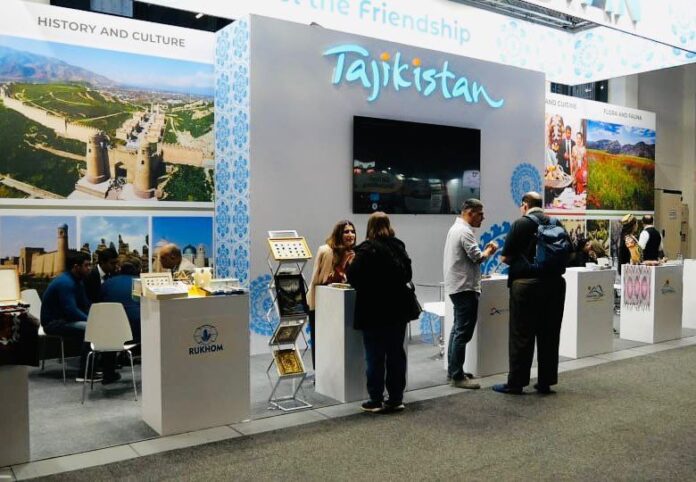
Tajikistan is participating in the International Tourism Trade Fair ITB Berlin-2026, held in the German capital from March 3 to 5, according to the country's Committee for Tourism Development.

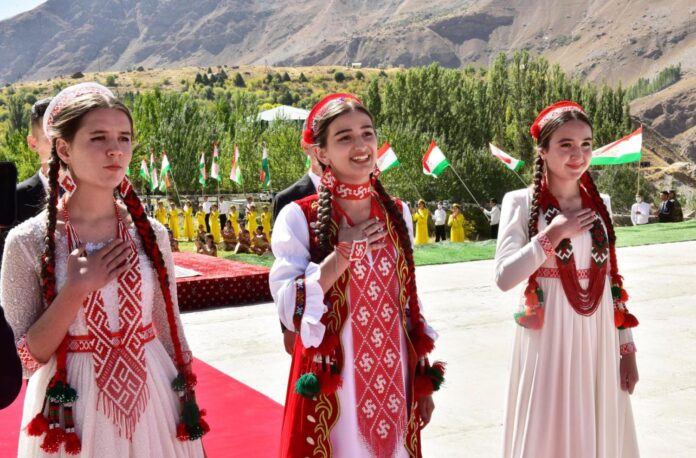
At this prestigious international exhibition, the Committee, with support from the Tajik Government, has organized a dedicated space showcasing Tajikistan's tourism potential, designed in a traditional national style, and official source within the Committee for Tourism Development told Asia-Plus in an interview.

He highlighted that this year, Tajik tourism companies are presenting the country's national tourism products and competitive advantages, including ecological tourism, health and wellness tourism, sports and mountain tourism, hunting, as well as the unique culture and ancient civilization of the Tajik people.

"Analysis shows that presenting the country’s tourism opportunities abroad, through participation in prestigious international exhibitions like ITB Berlin-2026, as well as through national and international media resources, strengthens Tajikistan’s position in the global tourism market, contributing to an increase in foreign tourist flow to our country," the sources added.

The International Tourism Trade Fair, ITB Berlin 2026, is taking place from March 3 to March 5 as a B2B event. Since its inception in 1966, ITB Berlin has grown into the leading trade show for the global travel industry. This year, the fair celebrates its 60th anniversary under the theme, "Discover the Stories Behind 60 Years of Legacy."

 In 2025, ITB Berlin hosted 5,800 exhibitors from over 170 countries and territories, attracting nearly 100,000 visitors. As the world's largest tourism trade fair, ITB Berlin showcases a wide range of companies, including hotels, tourist boards, tour operators, system providers, airlines, and car rental services.

Held annually in March at Messe Berlin, ITB Berlin continues to be the premier platform for networking and knowledge exchange in the global travel sector.

Iran bans food exports: how will this affect Tajikistan?

0

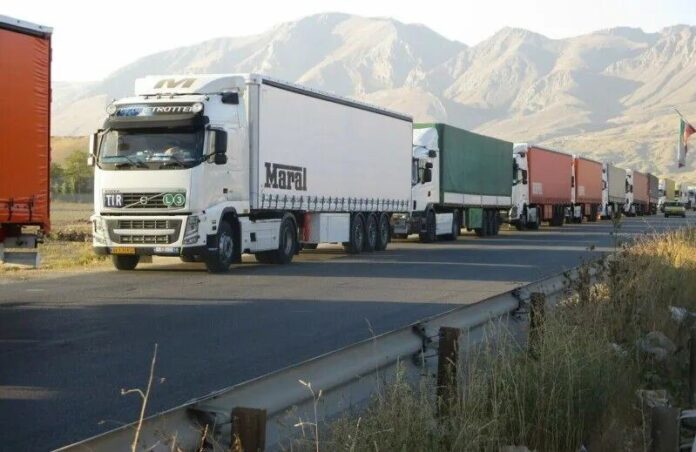
On March 3, Iran announced a temporary ban on the export of all food and agricultural products. The decision took effect immediately and will remain in place until further notice from the government.

This ban could significantly impact food supplies to Tajikistan, as Iran is one of the country’s key suppliers.


The export ban from Iran

The ban was implemented to prevent potential shortages and price increases of essential goods due to the ongoing conflict with the United States and Israel. The primary goal of the ban is to secure the domestic food supply and control inflation. Given Iran’s critical role in Tajikistan’s food imports, any disruption in these supplies could affect the country’s food security.

Iran is a major supplier of various food products, including dairy, fruits, vegetables, nuts, sugar, and spices.

In 2025, Tajikistan imported over $2 million worth of dairy products. Among the most common imports were condensed milk (302 tons), cream, whey (263 tons), butter (123 tons), and cheese.

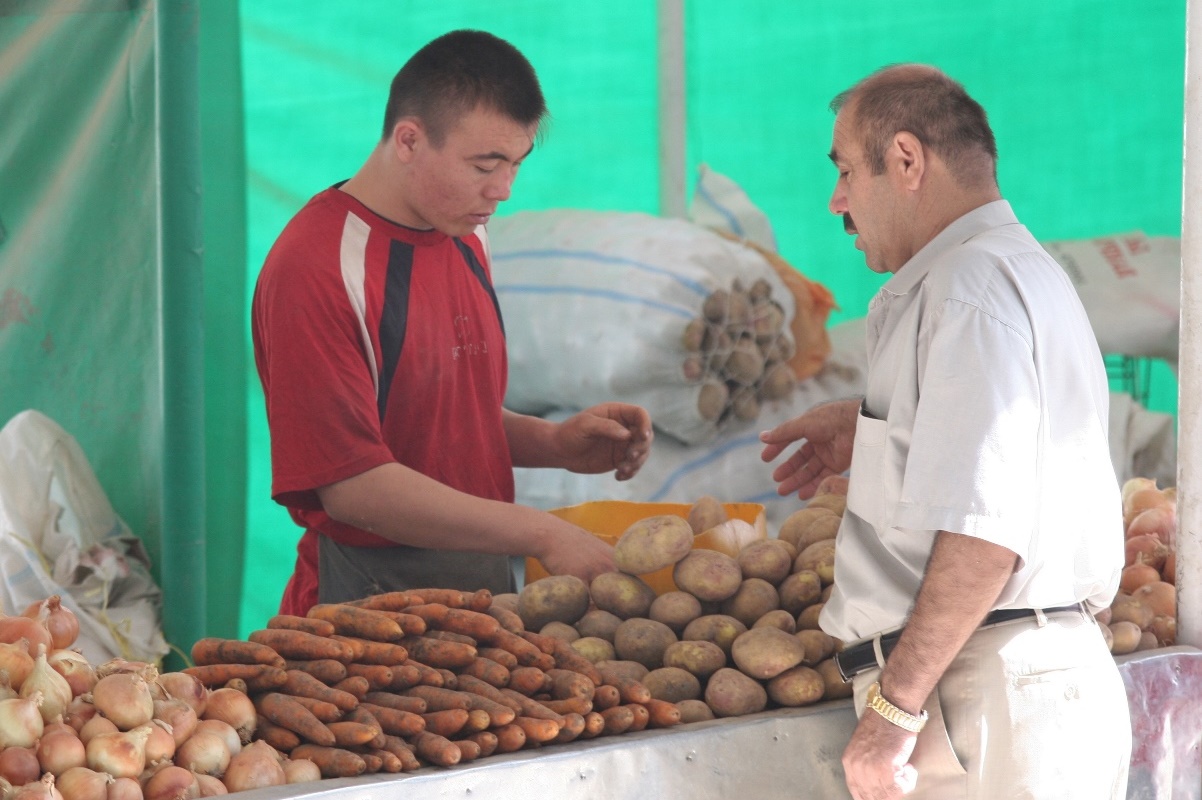
Fruits and vegetables also make up a significant portion of Tajikistan’s imports. In 2025, the country received more than 2,600 tons of oranges and nearly 1,000 tons of watermelons. Other popular imports include apples (over 2,600 tons), kiwi (1,300 tons), tomatoes, and potatoes.

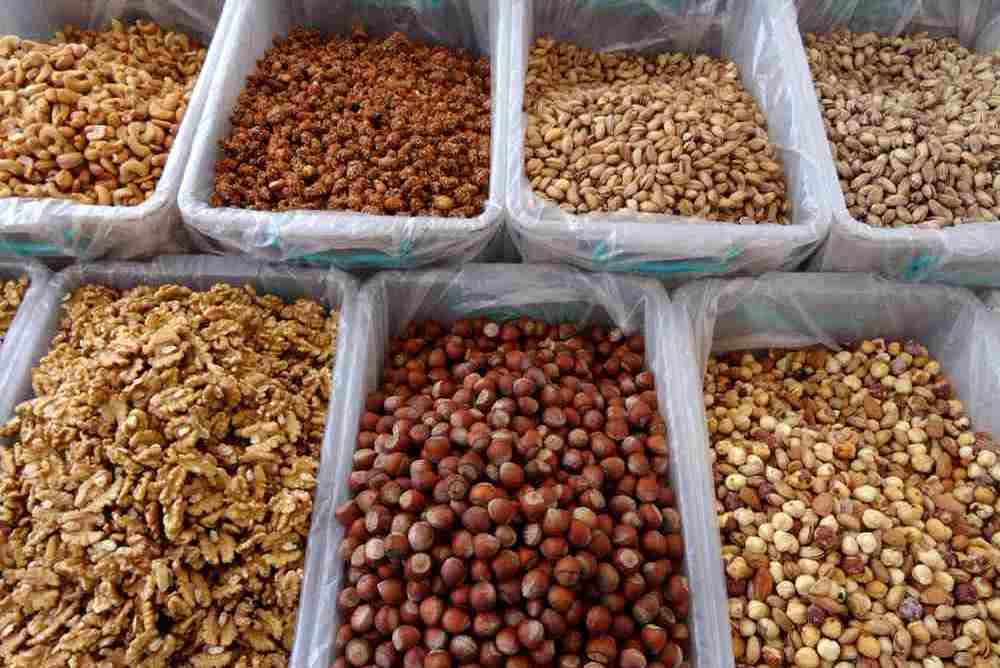
Additionally, Iran exports a range of nuts, including cashews (47 tons), walnuts, almonds, pistachios, and more. Tajikistan imported over 180 tons of nuts from Iran in 2025. Iran is also a key supplier of sugar and spices.

In 2025, Tajikistan imported over 3,300 tons of white sugar, the same amount of confectionery, as well as spices and tea.


Two-way trade between Tajikistan and Iran over the last 5 years

The bilateral trade between Tajikistan and Iran has grown significantly over the past five years. In 2025, the bilateral trade between them valued at $484 million, four times higher than in 2021, when it was only $121 million.

This highlights the substantial growth in economic ties between the two countries, with a 300% increase in trade turnover over the last five years. Food products account for over $26 million of the total trade volume, making up about 5% of the overall trade turnover between Tajikistan and Iran.


What’s next?

The ongoing U.S. and Israel war on Iran and Iran’s government’s decision to ban food exports could have serious consequences for Tajikistan. Several potential scenarios include increased food prices due to supply instability, logistical challenges such as closed trade routes, and higher transportation costs.

The government will likely need to explore alternative supply routes, such as through Uzbekistan or Kyrgyzstan, to mitigate disruptions. It will also be crucial to focus on developing domestic production to counteract any potential food shortages.

For now, Tajikistan may face rising prices on certain goods and instability in the food market.

Telecommunication operators in Tajikistan earned half a billion dollars in 2025

0

Telecommunication operators in Tajikistan generated over 5.1 billion somoni (around $510 million) in revenue in 2025, according to the Agency for Statistics under the President of Tajikistan. This represents an 18.5% increase (797 million somoni) compared to the previous year.

Private operators reportedly accounted for approximately 4.7 billion somoni, marking a 15.1% increase compared to 2024. Meanwhile, the revenue of the national telecommunications operator Tajiktelecom, the state-owned company Pochtai Tojik (Tajikistan Post, the company responsible for postal service in Tajikistan), and the communications service agency’s structural units reached 434.2 million somoni, a significant 74.1% increase from two years ago.

Private operators now make up 91.5% of the total revenue in the sector, according to the Agency for Statistics.

As of January 1, 2026, the number of internet users in Tajikistan reportedly reached 5.1 million, while there were 7.8 million mobile subscribers, with 5.9 million active mobile users.

In the latest January 2026 Speedtest Global Index, Tajikistan ranks 120th globally in fixed broadband internet speed among 152 countries.

Uzbekistan ranks 75th, Russia 78th, Kazakhstan 86th, and Kyrgyzstan 88th.


U.S. and Israel reportedly continue bombing Iran

0

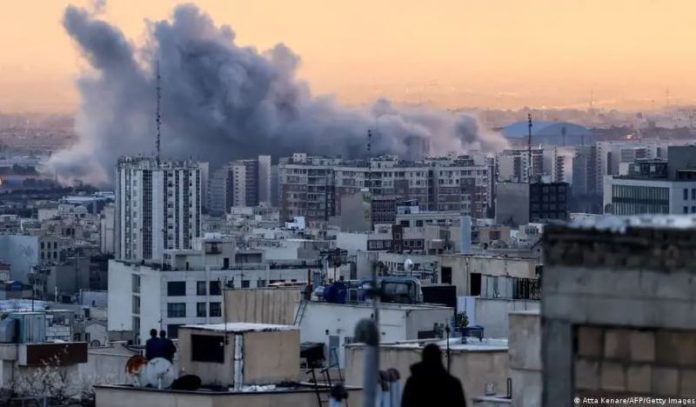
The US and Israel have bombed targets across Iran for a fourth day, as President Donald Trump declared that the country's air defenses, air force, navy and leadership were "gone", the BBC reported yesterday.

The U.S. military reportedly said it had destroyed command facilities, missile launch sites and airfields.

Meanwhile, Israel claims the Israel Defense Forces (IDF) destroyed a secret Iranian nuclear weapons development site on the northeast outskirts of Tehran on Tuesday.  

US President Donald Trump has said the US is seeking to destroy Iran's ballistic missile capabilities and navy, its ability to develop nuclear weapons, and its support for proxy groups in the region. He has also urged Iranians to use the attack to "take back your government".

The BBC reports that speaking at the White House yesterday, the US president said: "We've had a very powerful impact. Virtually everything they had has been knocked out now. Their missile count is going down."

Trump reportedly also repeated a claim that 49 Iranian leaders were "taken out" on Saturday and said there was "another hit today on the new leadership", without giving any details.

When asked by a reporter who he would like to take over after the conflict, Trump replied: "Most of the people we had in mind are dead."

Iranian authorities did not comment. But explosions were reported across Iran, where the Red Crescent has said 780 people have been killed since Saturday, according to the BBC.

Iran has reportedly responded to the strikes by launching deadly missile and drone attacks on Israel and Gulf states hosting US bases.

A drone hit a car park adjacent to the US consulate in Dubai on Tuesday evening and "set off a fire in that place", US Secretary of State Marco Rubio said.

It came hours after two drones hit the US embassy in Saudi Arabia's capital Riyadh and caused a "limited fire", according to the Saudi defense ministry.

The US and Israel launched a joint attack on Iran on February 28, killing Supreme Leader Ayatollah Ali Khamenei and senior officials in the first wave of strikes.


Locust control season begins in Tajikistan: identifying and eliminating potential breeding grounds

0

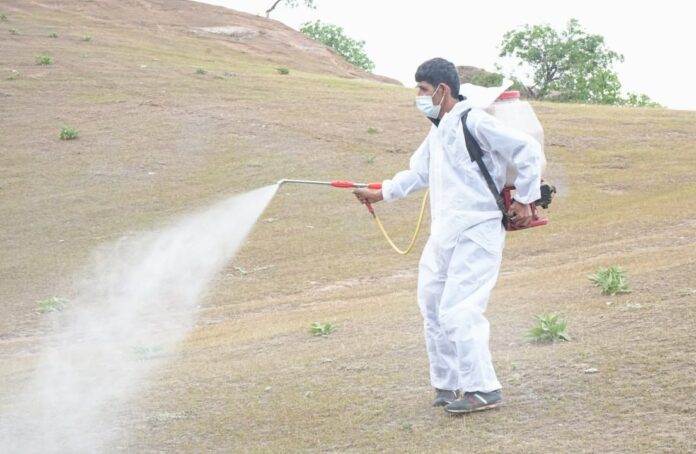
Tajikistan has identified large breeding grounds for locusts, with the pest recorded across more than 120,000 hectares. To enhance the fight against these insects, authorities are expanding the use of drones for monitoring and treating affected areas.

The country is actively engaged in efforts to identify and eliminate locust outbreaks. According to the Ministry of Agriculture, in the 2025/2026 period, surveys have been conducted across 246,480 hectares, with locust breeding sites found on 120,555 hectares.

The ministry explains that locusts lay their eggs in dense sandy soil, about 4-5 centimeters deep, often in hard-to-reach areas. This complicates efforts to combat the pest. During the early stages of development, locusts gather in groups, making chemical treatments more effective. However, as they mature, they begin to move more actively, which makes eradication more difficult, as the adult locusts can cause significant damage to crops.

To improve control measures, the Ministry of Agriculture continues to implement modern technologies. In 2025, Tajikistan began using drones for the first time to treat infected areas. As Minister of Agriculture Qurbon Hakimzoda previously stated, drones allow for quicker coverage of large areas, especially in remote regions, reduce fuel and chemical usage, and lessen the environmental impact.

As part of the "Livestock and Pasture Development" project, the government has provided two drones, which are already being used to treat agricultural lands. The drone fleet is expanding, with eight additional drones purchased for monitoring and treating locust outbreak zones.

In addition to drones, experts have access to dozens of tractors, hundreds of manual and motorized sprayers, water tanks, and specialized machinery. The Ministry of Agriculture is considering further expanding drone use in the upcoming agricultural season.

The ministry emphasizes that timely identification and elimination of locust outbreaks is crucial for preserving the harvest and ensuring food security in Tajikistan in 2026.

Somon Air suspends flights on the Dushanbe–Tehran route until the end of March

0

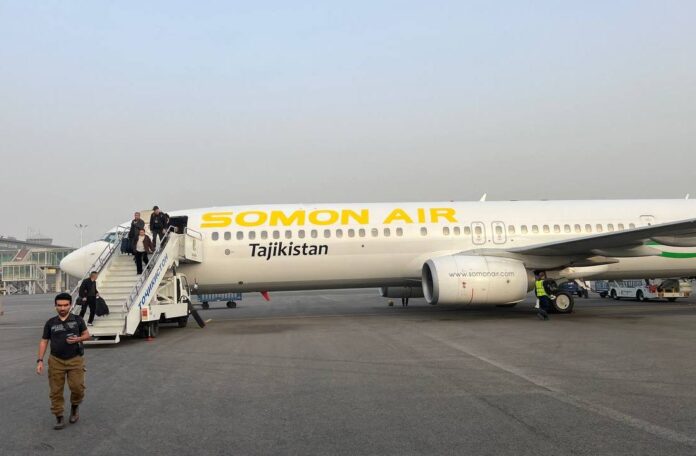
Due to the ongoing situation in the Middle East, Tajikistan’s privately-owned air carrier, Somon Air, has announced the suspension of flights on the Dushanbe–Tehran–Dushanbe route until March 31.

Following airstrikes by Israel and the United States on February 28, Iran closed its airspace "until further notice."

Somon Air has advised passengers with tickets for upcoming flights to monitor updates on the airline's official website or contact the customer service center for the latest information. The contact details are as follows:

·         Phone: +992 44 640 40 49, +992 44 640 40 50;

·         WhatsApp: +992 93 777 74 59.

Previously, Somon Air also announced the temporary suspension of flights on the Dushanbe–Dubai–Dushanbe route until March 6, 2026.

According to Tajikistan’s Ambassador to the Islamic Republic of Iran, Nizomiddin Zohidi, there are currently about 300 Tajik citizens in Iran, with 200 of them having requested assistance from the Embassy to leave the country. To facilitate their return, Tajik diplomats are coordinating with the embassies of Azerbaijan and Turkmenistan to ensure safe land routes for their return.

Blind people in Tajikistan learn English for free at the National Library

0

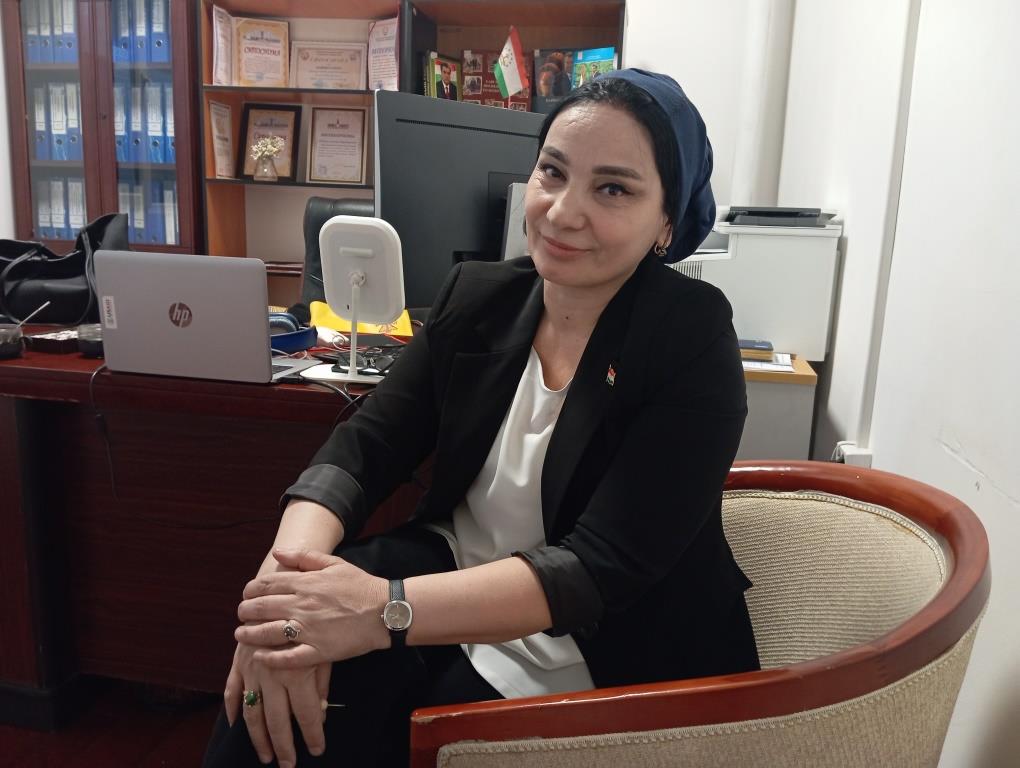
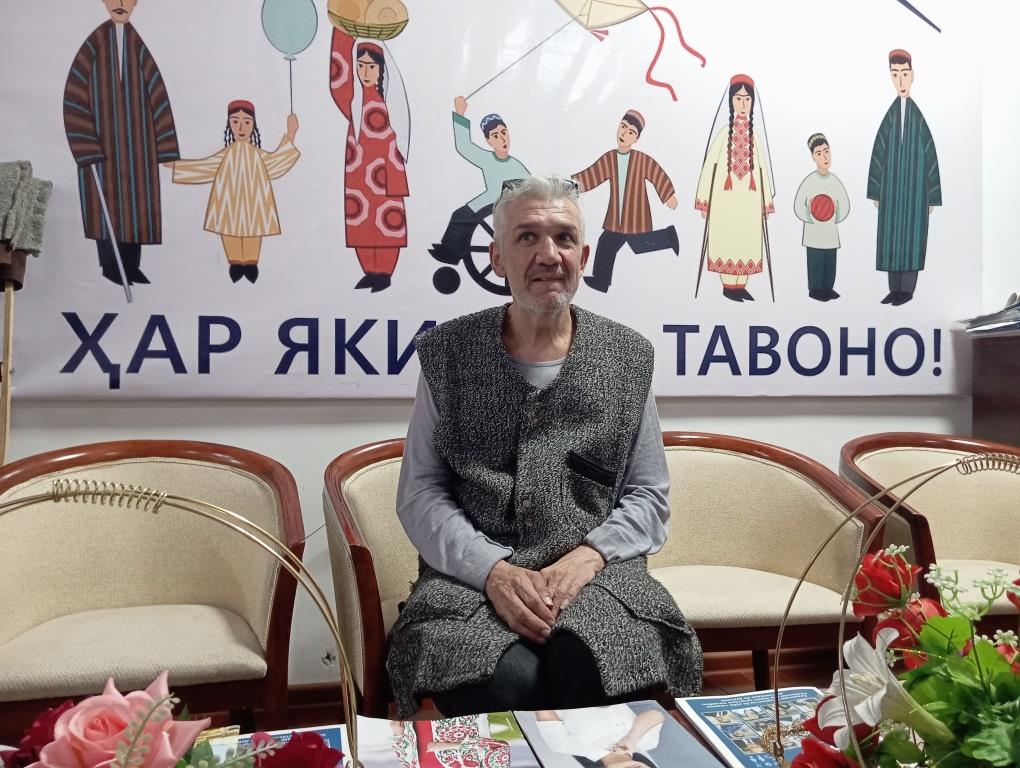
At the National Library of Tajikistan, blind individuals are learning English. The library’s Department for People with Disabilities has been offering language courses, preparing for international competitions, and proving that the absence of sight and physical limitations are not barriers to a full life.

The halls of the National Library are always busy, but the atmosphere on the first floor is unique. This is where the department, which has existed for 14 years, has transformed from a regular book storage facility into a true educational hub and second home for over 2,000 Tajik citizens with disabilities.

Saodat Nabiyeva has led the department for two years, and she speaks of her patrons not as visitors, but as close family.

"We are like one big family," Saodat smiles. "We have people with all kinds of health issues, but the core of our community is around 100 blind activists. They are truly remarkable people—artists, athletes, handcrafters, graduate students, doctoral candidates, schoolchildren, and university students. Their perseverance is something any healthy person could envy."


A special approach

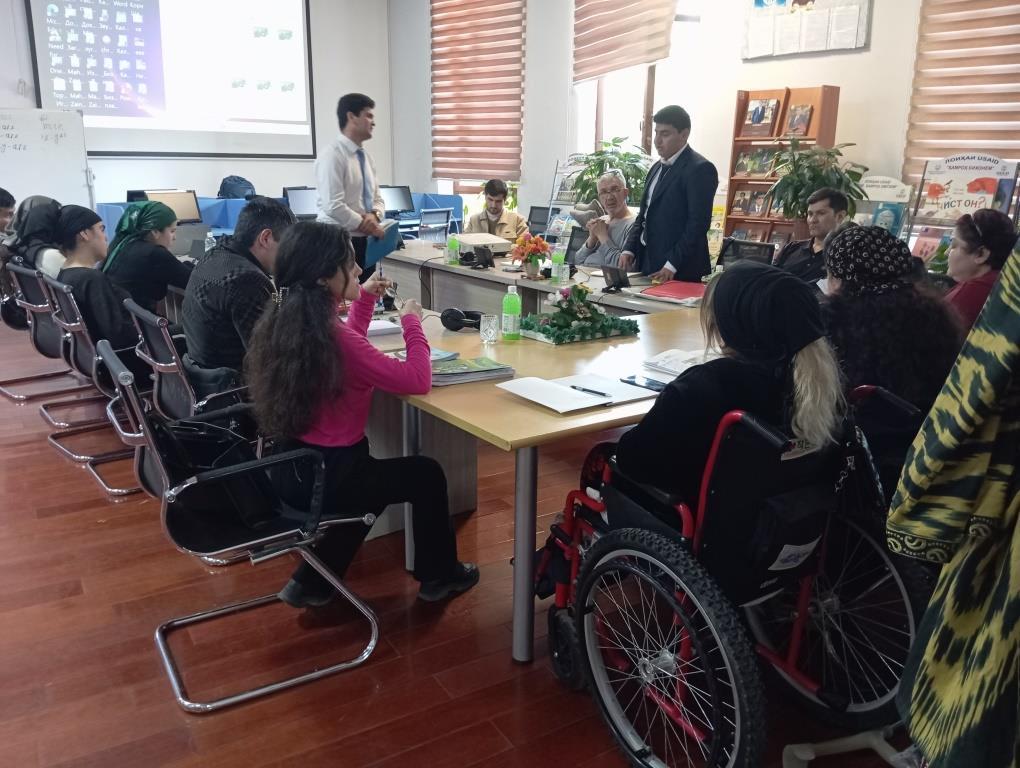
Since February 4th, the department has been offering two-hour English classes every day, at the same time. Illness or bad weather are the only excuses for missing class. The courses last three months and are entirely free.

The idea to start language courses came from the community. Twenty-five people requested help in learning English. The challenge was not just the high cost of private courses, but also the special needs of blind and visually impaired students, who require a unique approach.

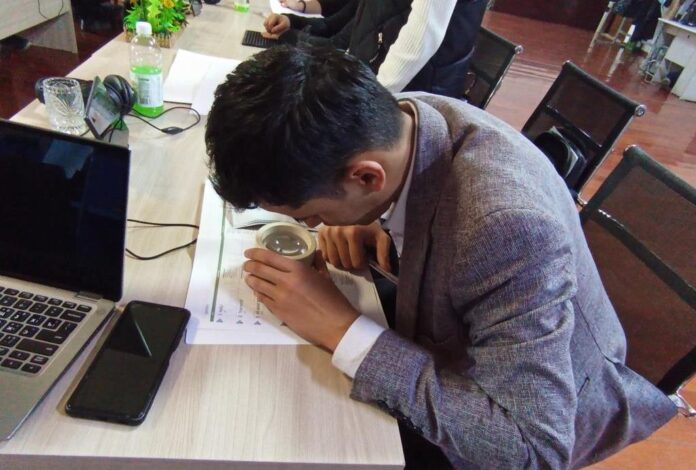
The method used is simple and effective: students listen carefully to the teacher or audio lessons from the screen and take notes. Blind students use a stylus and paper with a Braille template, while visually impaired students use special magnifying glasses.

"They have already started speaking English," says Saodat Nabiyeva. "For them, it's not just a hobby but an opportunity to find a job and integrate into society. We have future plans—soon, we will offer Chinese language courses, and we are also planning Braille literacy courses for adults who lost their sight later in life and didn’t learn Braille in school."


From presidential initiative to international success

The Department for People with Disabilities was established in 2012 by an initiative from Tajikistan’s President, Emomali Rahmon. In the early years, books for the department had to be brought from Russia, but today, the library actively cooperates with the local company "Mehrbakhsh," which prints literature in Braille.

The shelves now feature not only textbooks but also works by classic authors. The results of their efforts have been recognized internationally. Last year, members of the library’s club participated in a recitation competition organized in Novosibirsk. Despite the online format and stiff competition, the Tajik participants won second place.

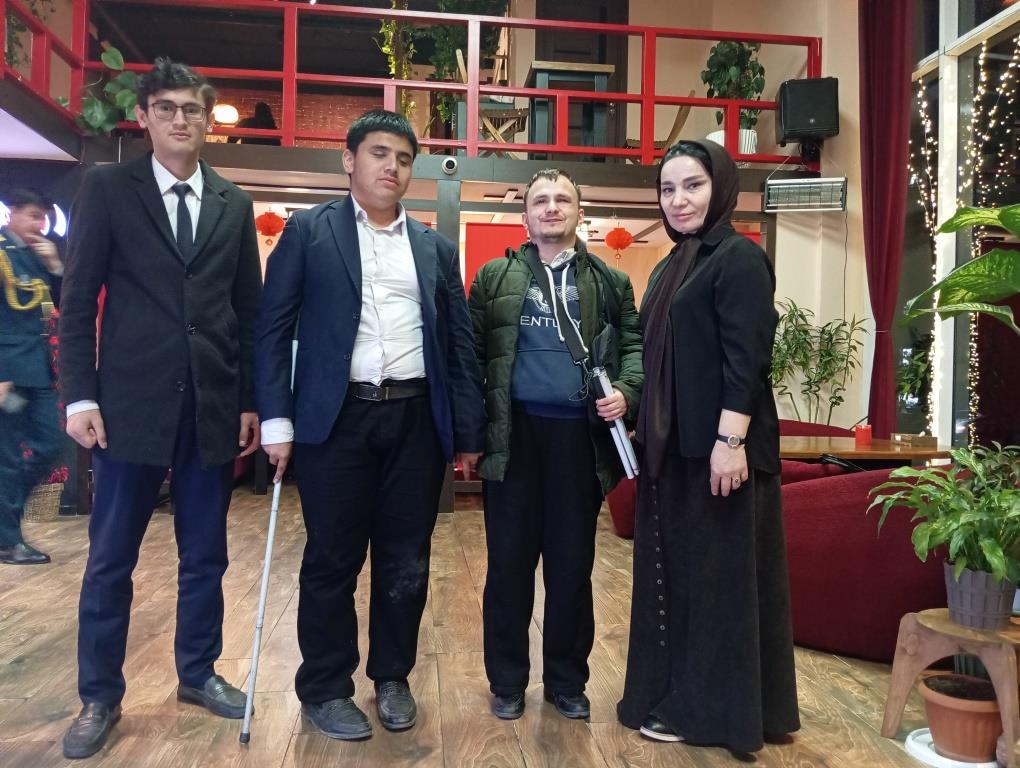
The library doesn’t limit itself to books. Saodat Nabiyeva explains that the department often acts as an intermediary between those in need of assistance and philanthropists. Sponsors provide food, medicine, and even wheelchairs. There are also doctors who offer free consultations. The department organizes celebrations and charity meals, such as a recent dinner held for veterans and library visitors with disabilities at the "Origami" café, organized by the café's management and Saodat Nabiyeva.

The main goal of the department’s leadership is to equip people with the tools for independent living. Every course participant receives a certificate upon completion.


"We are inspired and never give up"

Demyan is 18 years old. He was born with glaucoma and had poor vision. At the age of two, he underwent a failed operation and lost his sight completely.

Demyan graduated from a special school for the blind in Hisor and is now running a small business. However, his dream is to obtain a law degree and become a human rights defender to help those in need.

"Three months ago, my friend—who is also blind—brought me here," Demyan shares. "Now, I’m studying English, and I’m really happy about it. Our English teacher is visually impaired and studied at our school. He gives each of us individual attention. I also regularly read books, and I've already read many. My favorite books are Chinghiz Aitmatov’s The First Teacher and Sadriddin Ayni’s Maktabi Kukhna."

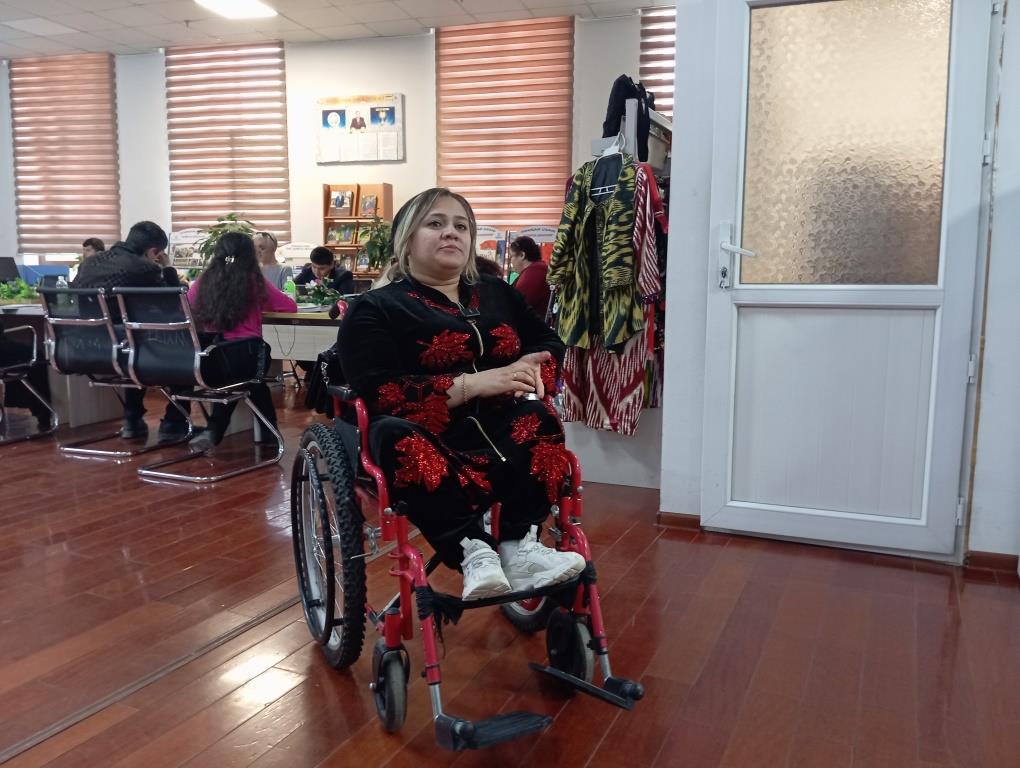
Rukhshona Nazarova, 40, uses a wheelchair, but this hasn’t stopped her from becoming a professional athlete. She is a Paralympic champion in weightlifting and arm wrestling and regularly participates in city, national, and regional competitions. In 2012, she won a silver medal at the Asian Arm Wrestling Championship in Tashkent.

Rukhshona lost the ability to walk at age 3 after an unsuccessful polio vaccine, which led to the development of the disease. However, she successfully graduated from school, the Agrarian Institute, and the Institute of Physical Education in Dushanbe. Rukhshona will head to the Asian Championship in Sochi on March 20, but her biggest dream is to compete in the World Championship.

Muhammadjon Kholov, 52, was once a comedian and impersonator in Dushanbe, known by his stage name "Madonna." He is a trained theater director and worked at the Pushkin Theater in Buston for some time.

Twenty years ago, Muhammadjon was hit by a car. After a lengthy rehabilitation, he was unable to regain the ability to walk and now uses crutches, which has made it difficult for him to find work.

"After the tragedy, I felt useless," he says. "But since I started coming to the National Library, I’ve realized that I need to enjoy life despite the diagnosis."

“I’ve been coming here for many years, and we have a very close-knit team. I am grateful to our department for all the courses they offer. Saodat Nabiyeva found a teacher for us, and now we can say more than just 'I love you.' We are inspired and never give up, and I encourage you to never give up either!" says Muhammadjon.

The doors of the Department for People with Disabilities at the National Library are open to anyone who is ready to learn.


Tajikistan and the UK to cooperate on critical minerals

0

The government of Tajikistan has approved a draft Memorandum of Understanding (MoU) with the United Kingdom to collaborate on critical minerals. The corresponding decree was signed by President Emomali Rahmon, who is the Head of the Government, on February 23, 2026.

According to the document, the MoU will be concluded between the Ministry of Industry and New Technologies of Tajikistan and the government of the United Kingdom, represented by the Foreign, Commonwealth and Development Office.

The Minister of Industry and New Technologies has been tasked with signing the document, while the Ministry of Foreign Affairs of Tajikistan will coordinate with the British side to agree on the date and venue of the signing.


Key provisions of the memorandum

The MoU emphasizes the importance of sustainable, transparent, and reliable supply chains for critical minerals to support industry, economic growth, and the transition to clean energy. The document underlines that these minerals are vital for national security, sustainable development, and achieving carbon neutrality, though they remain vulnerable to disruptions and supply concentration risks.

The agreement aims to diversify supply chains, reduce dependency on a limited number of suppliers, and prevent negative consequences, including human rights violations and conflict risks, through responsible mining and supply practices.

The MoU outlines several key areas of cooperation:

·         Enhancing and adhering to high sustainability standards across all stages of mining and project implementation, including Environmental, Social, and Governance (ESG) standards.

·         Supporting commercial activities in the extractive sector, including organizing trade missions, holding roundtables to improve mutual understanding of market access requirements, supporting exports of goods and services between the two countries, and attracting investments via the UK financial markets.

·         The possibility of considering applications for export credit and insurance subject to established requirements.

·         Exploring scientific and educational cooperation, including developing academic partnerships and strengthening institutional capacity.

A Joint Working Group on Critical Minerals will be established to coordinate interactions, with meetings planned twice a year. Experts may be brought in as necessary, and specific projects may be formalized through additional protocols.

The agreement will come into force once all internal procedures are completed and the final written notification is received. Its duration is set for five years, with automatic renewal unless either party notifies the other of termination at least 90 days before the expiration.

The signing of the document will take place at a mutually agreed time and location.


Tajikistan’s critical mineral resources

Critical minerals include rare earth metals, rare metals, energy minerals (such as uranium and thorium), and other essential minerals. Tajikistan possesses many of these resources, creating opportunities for cooperation with the UK and other countries in the areas of mining and sustainable supply of critical minerals.

According to official geological data, Tajikistan is home to significant reserves of the following critical minerals:

·         Lithium (indications of lithium deposits, a key metal for electric vehicle batteries and electronics)

·         Rare Earth Elements (deposits of rare earth elements, potentially including cerium, praseodymium, and others, important for electronics, magnets, and renewable energy)

·         Niobium and Tantalum (large deposits of niobium and tantalum—strategic metals for the aviation, electronics, and medical industries)

·         Copper (copper ores are present in many deposits—critical for power generation and infrastructure)

·         Nickel (data on nickel reserves—vital for batteries and steel production)

·         Aluminum (Tajikistan is a major aluminum producer, which, although not always considered a "rare" metal, is strategically important for transportation and industry)

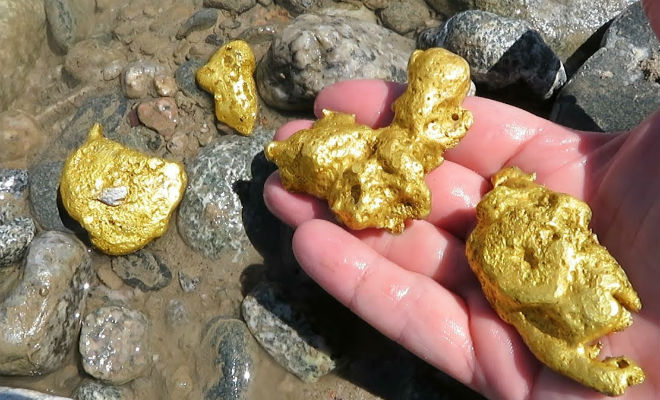
·         Antimony, Lead, Zinc, Silver, and Gold (large reserves of these metals)

Additionally, Tajikistan has identified or has prospects for elements such as titanium, bismuth, selenium, tellurium, tin, and others, which are often listed among critical minerals in various countries.

This cooperation opens the door for Tajikistan to strengthen its position in the global supply chains of these vital resources, offering significant opportunities for the country's mining sector and sustainable development.

Three scenarios: how the US-Israel war on Iran could impact Tajikistan

0

Even if the US-Israel war on Iran remains confined within the country, it will have varying degrees of impact on the Central Asian region. Iran is a key trading partner, an essential transport corridor, and a significant political player in the region.


Scenario 1: a limited conflict

If the conflict remains localized and does not escalate into a regional war, there will be no direct security threats to Central Asia. However, Tajikistan could face indirect consequences, primarily in the form of macroeconomic effects through three key channels.

Energy channel

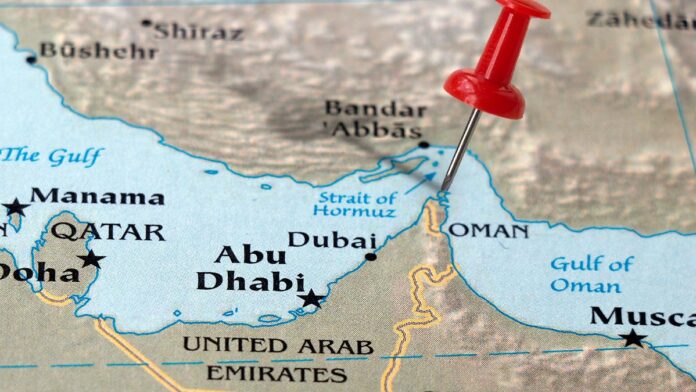
Tajikistan relies heavily on imports of petroleum products, as its domestic production is minimal. Although the country does not import oil products from Iran, global price increases will lead to higher fuel costs for all exporting countries, including Russia, the main supplier of fuel to Tajikistan. In 2025, about 80% of Tajikistan’s fuel imports came from Russia. With geopolitical instability in the Middle East and potential disruptions in the Strait of Hormuz, oil prices could rise sharply. This will increase transportation costs and inflationary pressure on consumers, lowering purchasing power and expanding the trade deficit.


Logistics channel

Iran is a key element in the "North-South" transport corridor, through which Tajikistan receives imported goods and access to the Persian Gulf ports. Even without direct infrastructure damage, regional instability will likely result in increased shipping costs, longer delivery times, and potential supply chain disruptions, leading to inflationary pressure within Tajikistan.


Financial channel

Global financial markets are sensitive to instability, with investors often turning to more stable assets like the dollar. This could strengthen the dollar and weaken the Tajikistani somoni. A weakened somoni would make imports more expensive, pushing up domestic prices, especially for fuel and essential goods. The weakening currency could also make Tajikistan’s foreign debt harder to service, adding pressure on the national budget and potentially slowing foreign investment.


Scenario 2: escalation and involvement of major powers

If the conflict in Iran escalates and major powers become more involved, the consequences for Tajikistan will not just be military but also economic. As tensions rise, infrastructure and logistics will be affected, oil prices and transportation costs will increase, and there will be mounting pressure on neighboring countries’ budgets. Tajikistan’s economy, which relies heavily on external markets, transport corridors, and financial flows, will feel the ripple effects: currency depreciation, rising costs, and delays in projects.


Logistics vulnerability

The Strait of Hormuz, which accounts for a significant portion of global oil shipments, could see disruptions due to regional instability. Tajikistan, which is landlocked, relies on neighboring countries’ transport routes. Any disruptions to these routes will lead to higher import costs, including for fuel, industrial equipment, and building materials, directly affecting project costs and consumer prices within Tajikistan.


Trade risk

Tajikistan’s trade with Iran has grown significantly in recent years, with trade volumes increasing by 28.1% between 2024 and 2025. However, an escalation of conflict could lead to secondary sanctions risks and hinder banking transactions, causing delays and uncertainties in trade. Even without formal sanctions, business activity could slow as firms seek to minimize risk.


Economic consequences

If global oil prices continue to rise, Tajikistan will face further inflationary pressure. This will weaken the somoni, increase the cost of living, and exacerbate the country’s trade deficit. Moreover, a slowdown in major economies like Russia or China, as a result of the conflict, could reduce trade, investment, and remittance inflows, compounding the economic strain.


Scenario 3: destabilization within Iran

The most concerning scenario is one in which internal instability in Iran results in the collapse of central authority, economic collapse, increased protests, or even fragmentation of the political system. The consequences for the region would be not only economic but also long-term geopolitical.


Migration chains via Afghanistan

In the event of severe instability in Iran, part of the population could flee to Afghanistan, triggering a new wave of migration toward Tajikistan’s borders. For Tajikistan, this would mean an increased burden on border security and internal safety measures. Iran's political weakening could alter the balance of power in Afghanistan, particularly in the western and northern provinces, intensifying competition among regional players and the activity of radical groups. For Tajikistan, with its complex border with Afghanistan, this scenario would directly impact national security.


Decline in investment and trade activity

Iran plays a key role in Tajikistan’s infrastructure and energy projects. For instance, Iran helped build the Sangtuda-2 hydroelectric power plant and invested in the construction of the Istiklol Tunnel. However, internal instability in Iran could lead to the freezing of these projects, along with trade disruptions and reduced logistical cooperation.


Weakened transport and transit prospects

Iran is a critical transit route for Tajikistan, providing access to ports in the Persian Gulf. Prolonged instability would hinder the development of southern transport corridors, increase transit costs, and deepen Tajikistan’s reliance on alternative routes.


Why Tajikistan is not just a bystander

Tajikistan’s economy is closely tied to the outside world, particularly through labor migration, external trade, and dependence on energy and food prices. Even if international conflicts do not directly affect the country, their consequences are felt in the form of remittance fluctuations, rising fuel and food prices, currency depreciation, and inflation.

Tajikistan’s economy remains vulnerable due to its reliance on external factors and relatively small domestic markets. Therefore, any external crisis (whether financial, political, or military) quickly impacts the incomes of the population and the business environment. To mitigate the possible effects, experts suggest diversifying transport routes, strengthening energy independence, and expanding foreign trade ties.

It’s important to note that the current situation does not necessarily indicate a disaster, but rather a test of resilience. The extent of the consequences depends on how long the instability lasts, the impact on oil and essential commodity prices, and the overall health of the economy—its reserves, budget, and National Bank policies. If the situation stabilizes quickly, the impact will be manageable. However, prolonged instability could lead to increased pressure on the currency, budget, and public incomes, posing a significant economic challenge for the country.

Pamir Highway, “Tajik Machu Picchu,” and the “Sleeping Dragon”: a complete guide to GBAO

0

The Gorno-Badakhshan Autonomous Region (GBAO) is the largest region by area in Tajikistan. This majestic land is home to one of the world’s most significant mountain systems — the Pamirs. Here lie the famous seven-thousanders that mountaineers from all over the world aim to conquer.

This guide provides insight into the wonders of Gorno-Badakhshan, from its towering peaks and mysterious ancient ruins to the thrill of exploring one of the world’s most dramatic highways. Whether you're an avid adventurer, history enthusiast, or simply in search of serenity, GBAO offers experiences that will leave a lasting impression.

The region presents a unique geographical mosaic: the diverse landscapes of the districts of Darvaz, Vanj, Rushan, Shugnan, Roshtqala, Ishkashim, and Murgab are sure to amaze even the most seasoned traveler. The Pamirs attract adventure seekers, outdoor enthusiasts, and, of course, mountain lovers who come to admire snow-capped peaks, unique lakes, breathe in fresh mountain air, and enjoy the true silence of nature.

The mountain region is not only fascinating for its nature but also its ethnic diversity. Each district is home to communities with unique languages and ancient traditions, and the warm hospitality of the local mountain people offers travelers more comfort than the hottest sun.

Here are some must-visit places in GBAO.


Pamir Highway

We begin with the Pamir Highway, the region’s main artery and one of its most notable attractions. This is one of the most scenic and extreme highways in the world, winding through valleys and gorges, "Martian plains," and mountain deserts. In 2020, the Pamir Highway was named one of the top 10 most beautiful roads in the world.
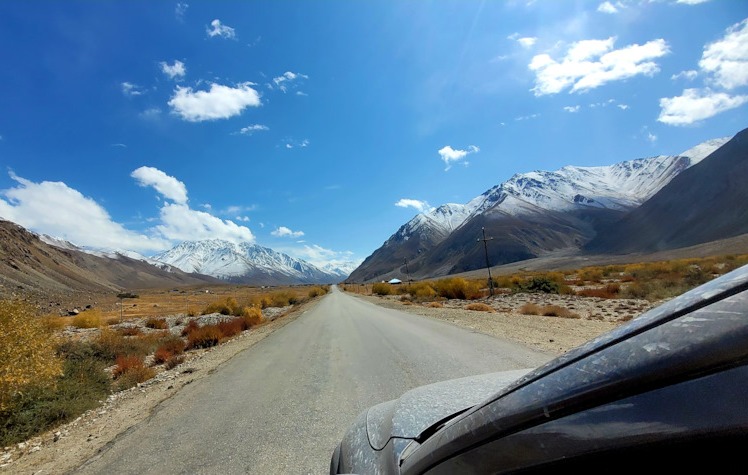
The Pamir Highway spans about 700 kilometers, stretching from the center of the region, the city of Khorog, to the Kyrgyz city of Osh. There’s also the concept of the Greater Pamir Highway, which is approximately 1300 kilometers long, beginning in Dushanbe, passing through Kulob, reaching the Pyanj River, and following it along the road to Khorog and Osh.

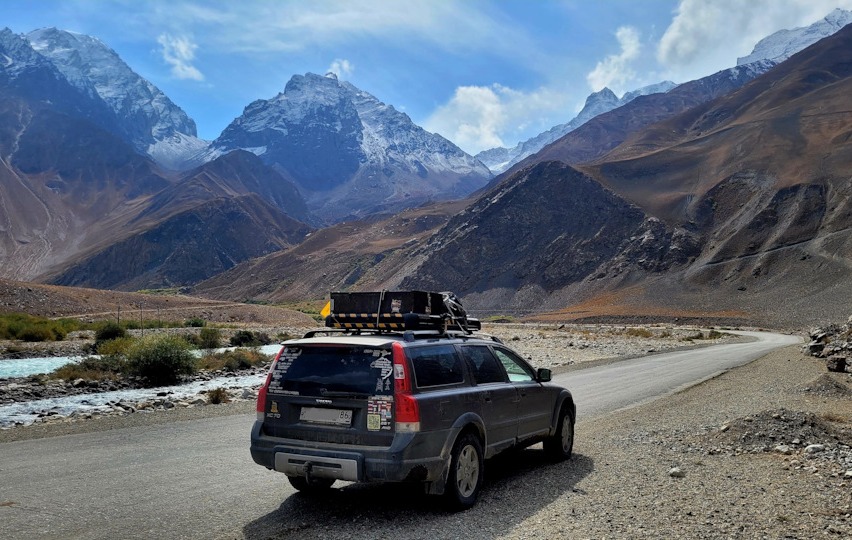
Traveling along this route is a cherished dream for many road trip enthusiasts. The journey takes you to altitudes starting from 900 meters, reaching its peak at 4655 meters at the Khushang Pass (Ak-Baytal). Long hours on rocky dirt roads and winding serpentine routes demand physical effort, but the experience is worth it for the unique atmosphere of a true adventure, where you dive into a picturesque world of mountains.
Important: GBAO is a region with a special entry and stay regime, and foreigners need special permission to visit. This can be obtained when applying for an electronic visa on the website www.evisa.tj, where the option "GBAO permit" must be selected. The cost of the service is an additional $20 on top of the visa fee. If you already have a visa or are from a visa-free country, you can obtain the permit at the Passport and Registration Department of the Ministry of Internal Affairs in Dushanbe or Khorog.


The ancient city of Karon: Pamir's Machu Picchu

The gateway to GBAO is the Darvaz district, which symbolically translates as "gate." Just a few kilometers from the district center, Qalai-Khumb, lies Karon — one of the most significant archaeological discoveries of modern times. This ancient city, situated at an altitude of 2,000 meters, is often referred to as "Tajikistan’s Machu Picchu."
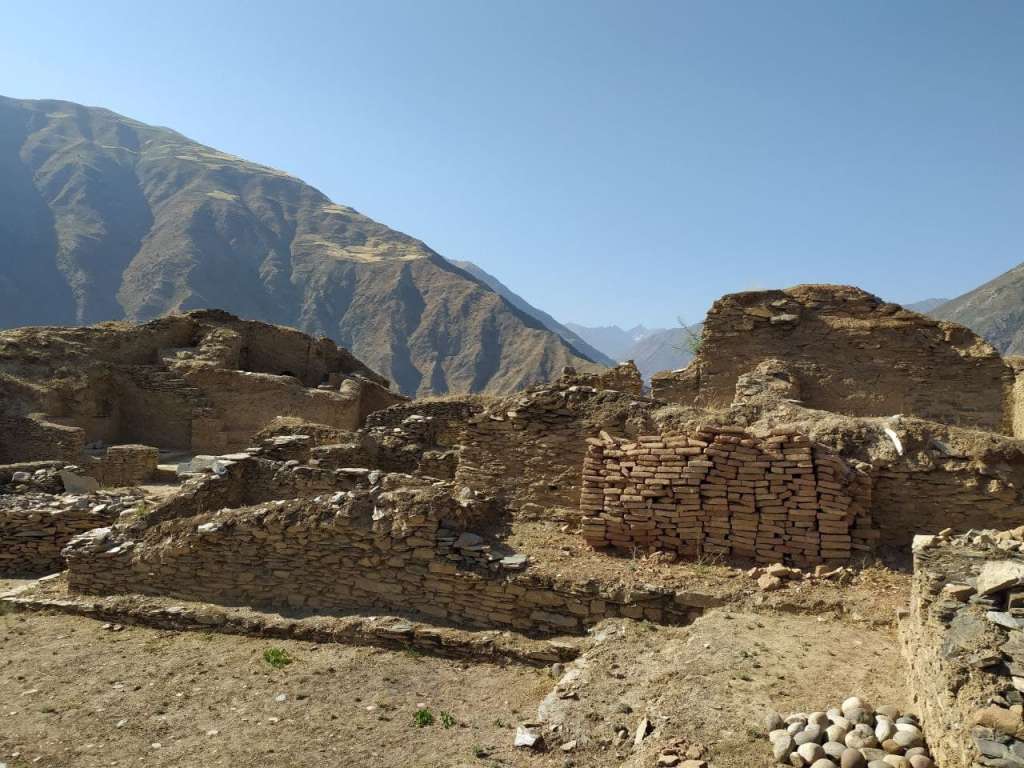
Karon was only discovered in 2012. Like its Peruvian counterpart, the ancient city is shrouded in mystery. Founded around 4,000 years ago, it had a developed infrastructure: here, temples of fire, Zoroastrian shrines, an observatory, and even a large polo stadium that could accommodate 10,000 spectators have been uncovered.

However, in the 15th century, life in the city suddenly ceased — its inhabitants left their homes in an organized manner, taking all their belongings with them, and the reasons for this departure remain a mystery to this day. As you walk along the stone streets of Karon, you cannot help but admire the craftsmanship of the ancient builders who erected such a large city in such an inaccessible location.


Khorog: the heart of the region and the high-altitude Botanical Garden

GBAO’s capital, the city of Khorog, attracts visitors with its unique culture, the cozy atmosphere of narrow streets, and the sound of the Gunt River. The journey from Dushanbe takes about 12-13 hours by car. While Khorog has an airport, flights from Dushanbe are irregular due to the unpredictable mountain weather.
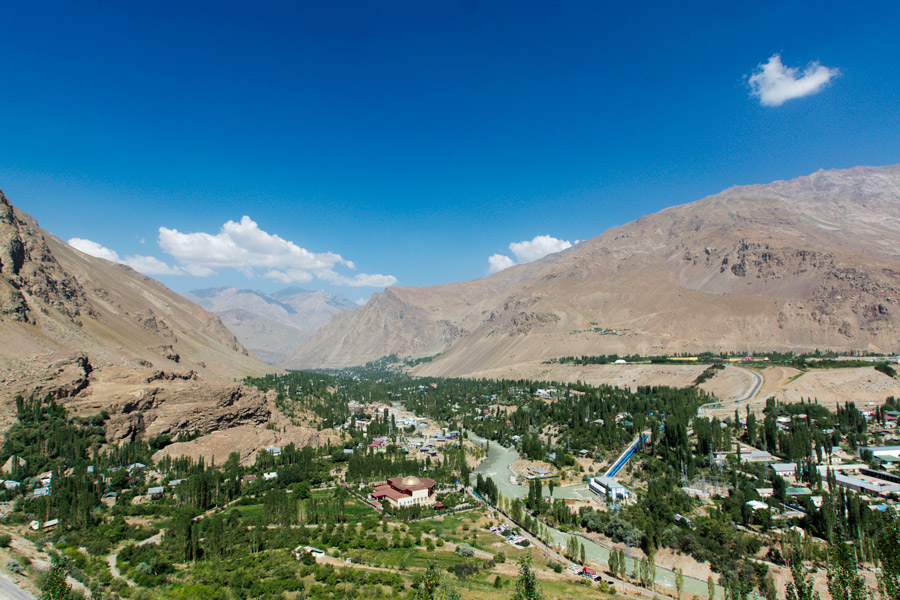
To truly experience the culture of the Pamiri people, visit a traditional Pamir house, or cheed, in Khorog.

The architecture is deeply symbolic: it features a flat roof with a four-tiered skylight (chorkhona) symbolizing the elements (earth, air, fire, water), and five central pillars representing key figures in Ismaili Islam, blending Zoroastrian and Islamic spiritual traditions. 

Above the city, at an altitude of over 2,300 meters, lies the Pamir Botanical Garden — the highest botanical garden in the post-Soviet space.
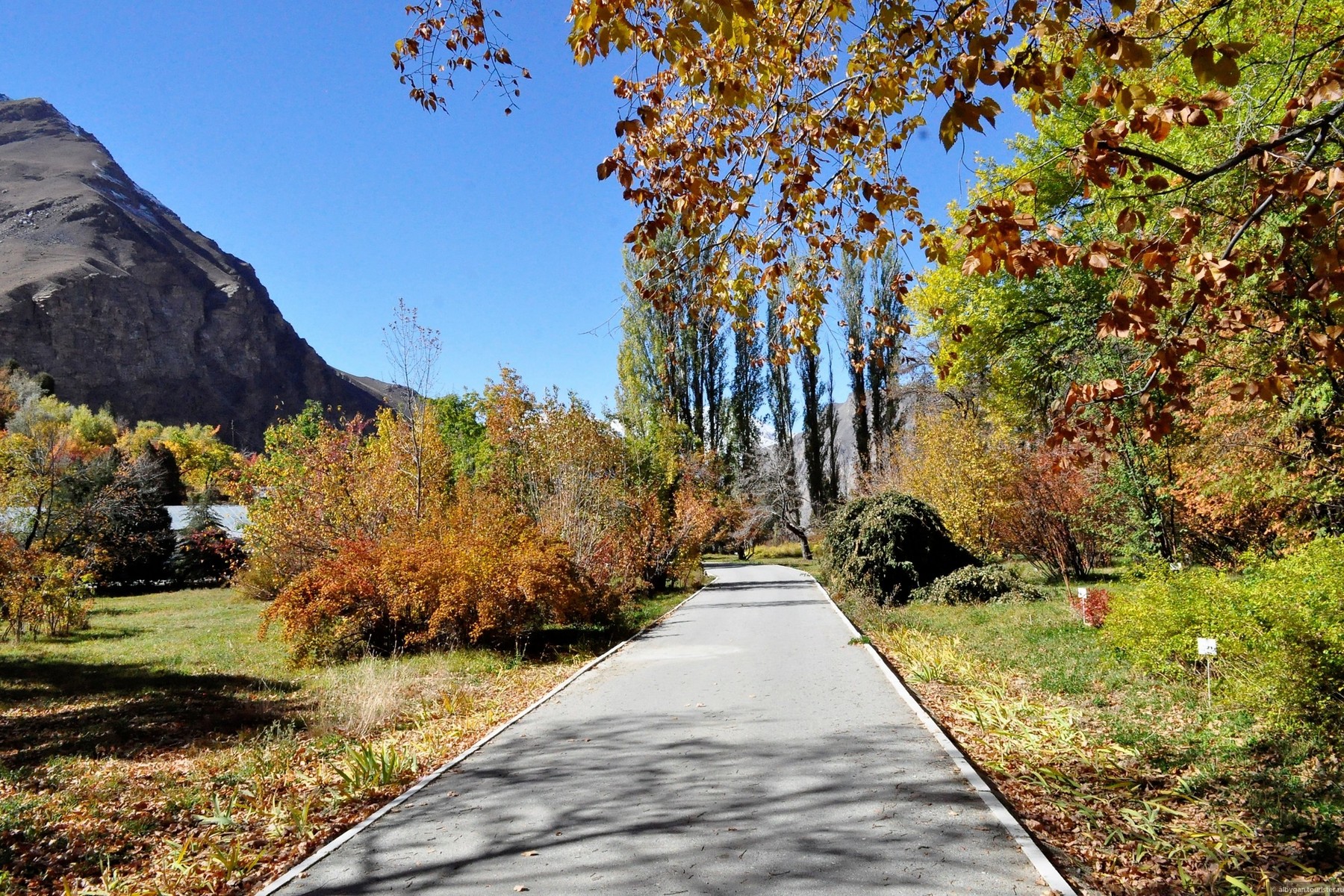
Thousands of plant species from all continents are gathered here. From the garden's terraces, visitors can enjoy breathtaking panoramic views of the entire city of Khorog.

Another highlight of Khorog is the Historical and Local History Museum, where among other exhibits, one can find an antique piano that Russian soldiers carried by hand over mountain passes from Osh in 1914.


Kakh-Kakha and Yamchun Fortresses: Guardians of the Silk Road

Located approximately 15 kilometers from the settlement of Ishkashim is one of the region's ancient landmarks — the Kakh-Kaha Fortress. The fortress, covering an area of 700×220 meters, sits on a hill in the Panj River valley and was built during the Kushan Empire in the 1st-2nd centuries AD. According to legend, the fortress was named after the local ruler of that time.
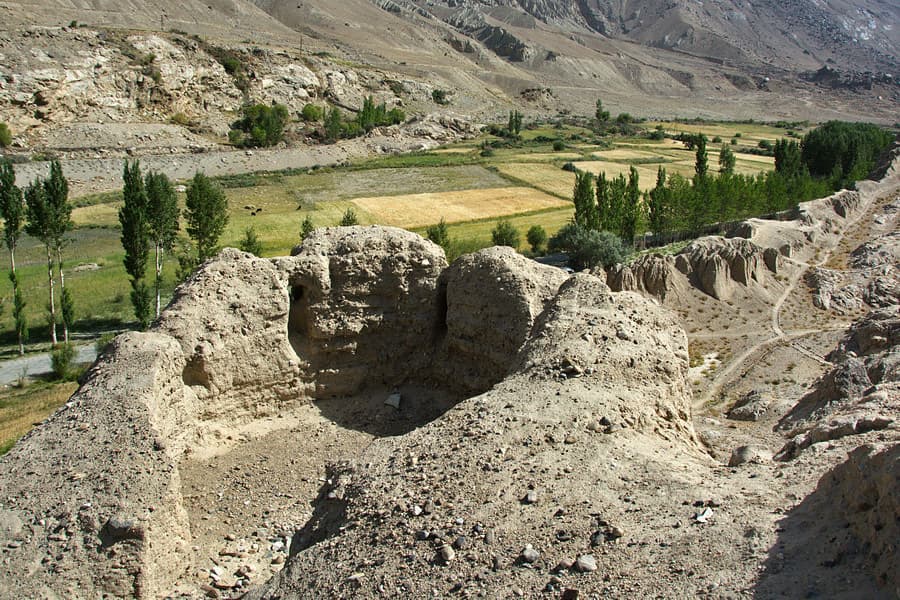
Kakh-Kakha, constructed from clay and stones, has about 50 towers in both round and square shapes. Although only ruins remain of this once enormous fortress, it is clear that it was once a significant fortification. Today, the eastern part of the fortress serves as a border outpost, and access is restricted, with photography strictly prohibited.

Even more majestic is the Yamchun Fortress, located at an altitude of 3,000 meters. Founded in the 3rd century BC, it predates Kakh-Kakha and is a masterpiece of ancient engineering. To reach it, visitors must turn off the highway and climb a winding serpentine road. From its walls, there is a magnificent panorama of the valley.
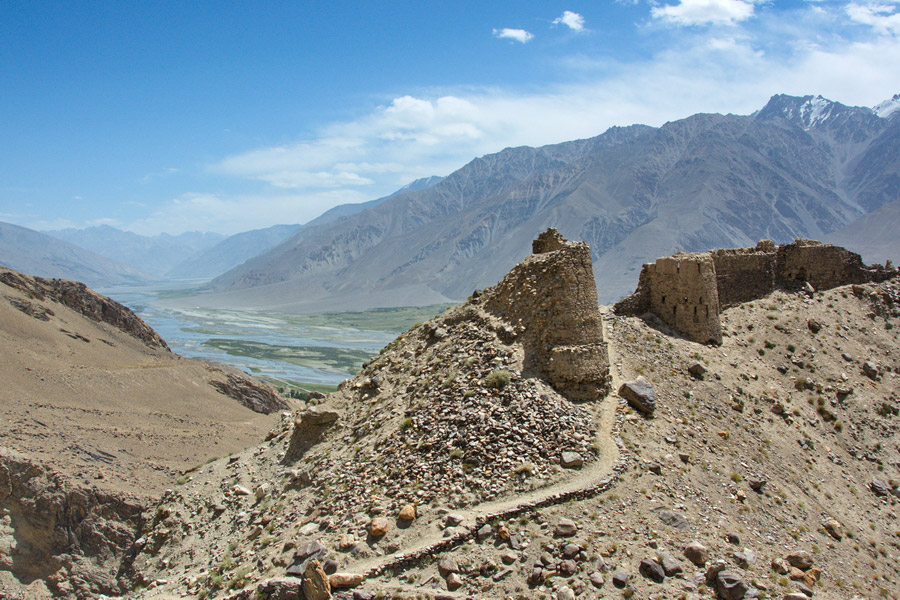
In ancient times, the fortress occupied 75 hectares, but only the upper bastion has survived to this day. Despite the passage of time and the erosion caused by harsh winds that wear down its stone towers and battlements, Yamchun remains a silent witness to the history of the Silk Road, gazing down on the valley from a height of 400 meters.

Another imposing fortress, Vamar (Qala-i-Vamar), is located in the Rushan district, directly on the banks of the Panj River. Vamar is situated on the plain where the Bartang and Panj rivers meet, right on the border with Afghanistan. Unlike many other ruins in the Pamirs, Vamar has been relatively well preserved, with its walls still standing today.


Buddhist stupa in Vrang

One of the most intriguing landmarks in the Wakhan Valley is the Buddhist stupa, perched on a rocky outcrop near the village of Vrang. Located at an altitude of 2,805 meters, this monument of the ancient Silk Road stands 90 kilometers from Ishkashim. The path to it winds along the Pyanj River, passing ancient Kushan-era fortresses and Zoroastrian shrines, immersing travelers in the multi-millennial history of the region.
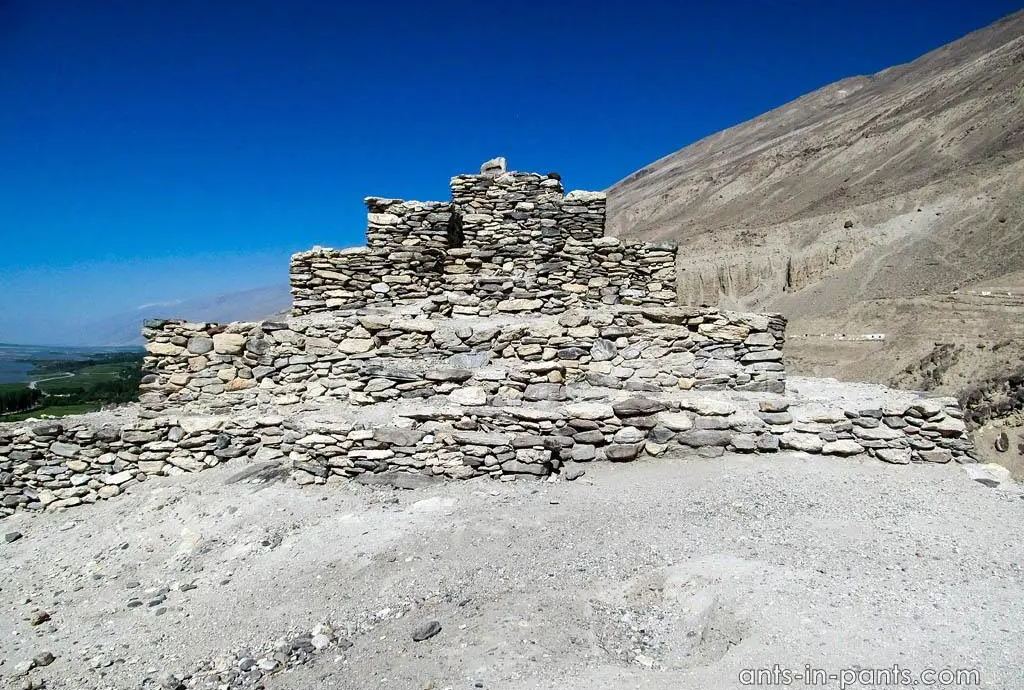
The architecture of this sacred structure is unique to the Pamirs. It takes the form of a stepped pyramid with five rectangular tiers, visually resembling a staircase to the heavens. From the temple platform, there is a panoramic view of the valley: both Tajik and Afghan villages on either side of the river are visible as if placed in the palm of your hand.


Healing Springs of Garmchashma and Bibi Fotima-i Zahro

The Pamirs are rich in hot springs, with the most famous being Garmchashma, the primary center of balneology in the region. The Garmchashma health complex is located 35 kilometers from Khorog at an altitude of 2,842 meters. The spring is renowned for its dazzling white travertine cascades, formed over thousands of years.
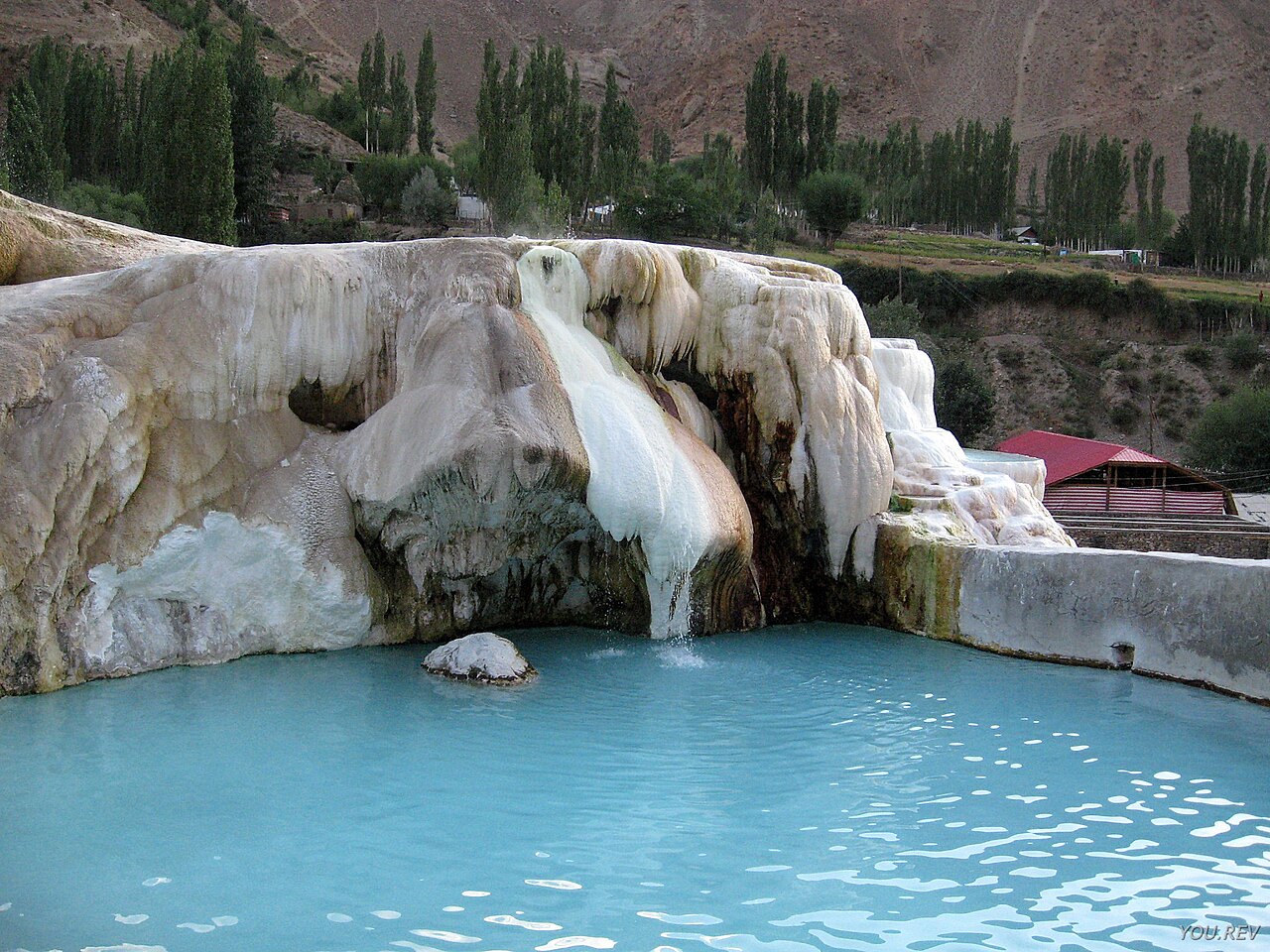
The water here is rich in sulfur, silicon, and magnesium, making it ideal for treating cardiovascular diseases, skin conditions, and joint ailments.

Garmchashma not only heals the body but also provides aesthetic pleasure. With modern infrastructure, including hotels and restaurants, visitors can enjoy a comfortable stay throughout the year.

Further into the Wakhan Valley, near the Yamchun Fortress, lies another legendary spring — Bibi Fotima-i Zahro.
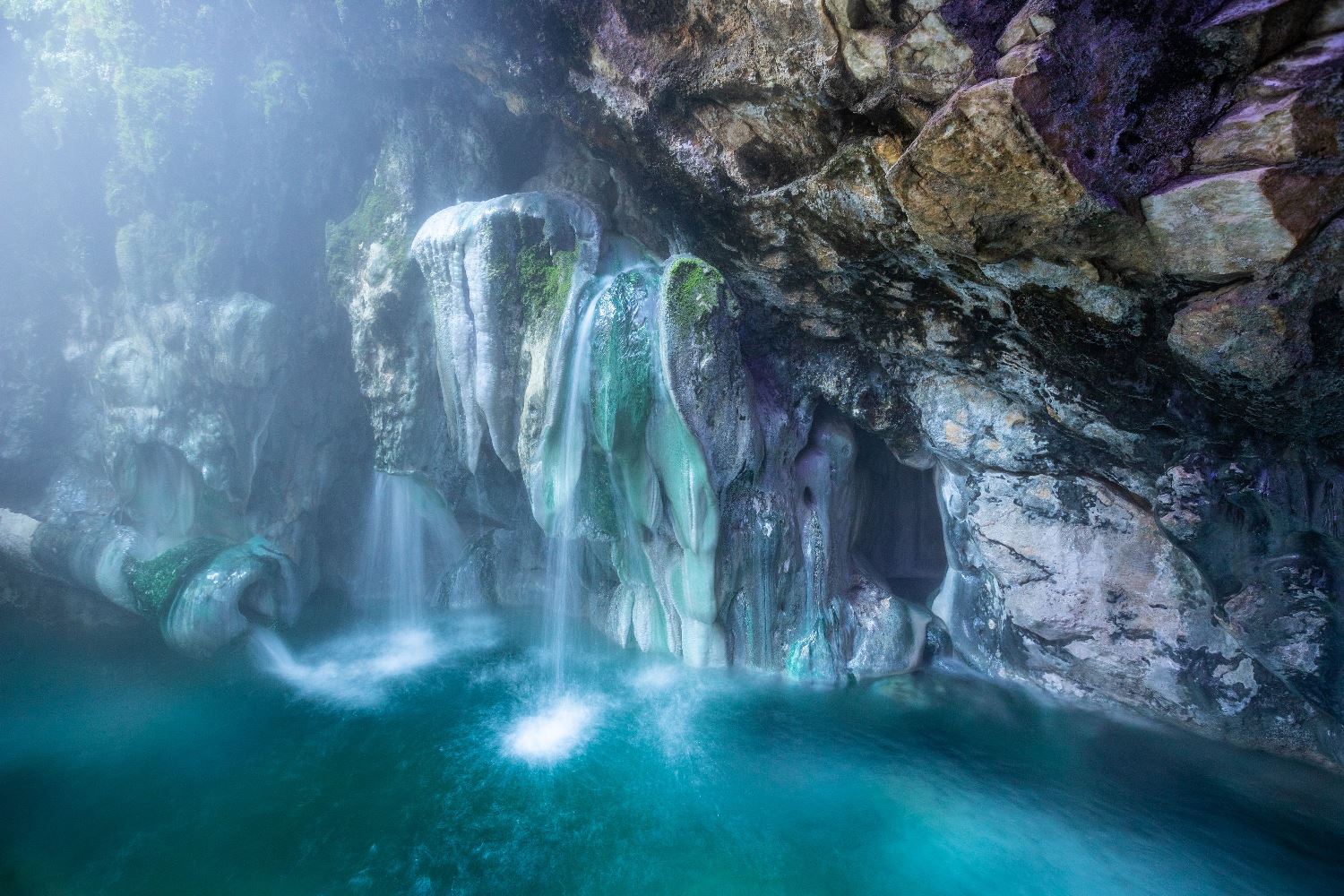
The crystal-clear water here flows directly from the crevices in the rocks. Local residents and pilgrims consider the site sacred, associating it with the name of the daughter of the Prophet Muhammad.


Bartang Valley: in search of pristine wilderness

Bartang Valley is the perfect destination for those seeking an authentic, untouched Pamir. Situated between the Yazgulyam and Rushan mountain ranges at altitudes up to 3,500 meters, the valley stretches from the center of Rushan to the border of Murgab. The Bartang River, a right tributary of the Panj River, flows out of Lake Sarez, crossing the entire valley from east to west.
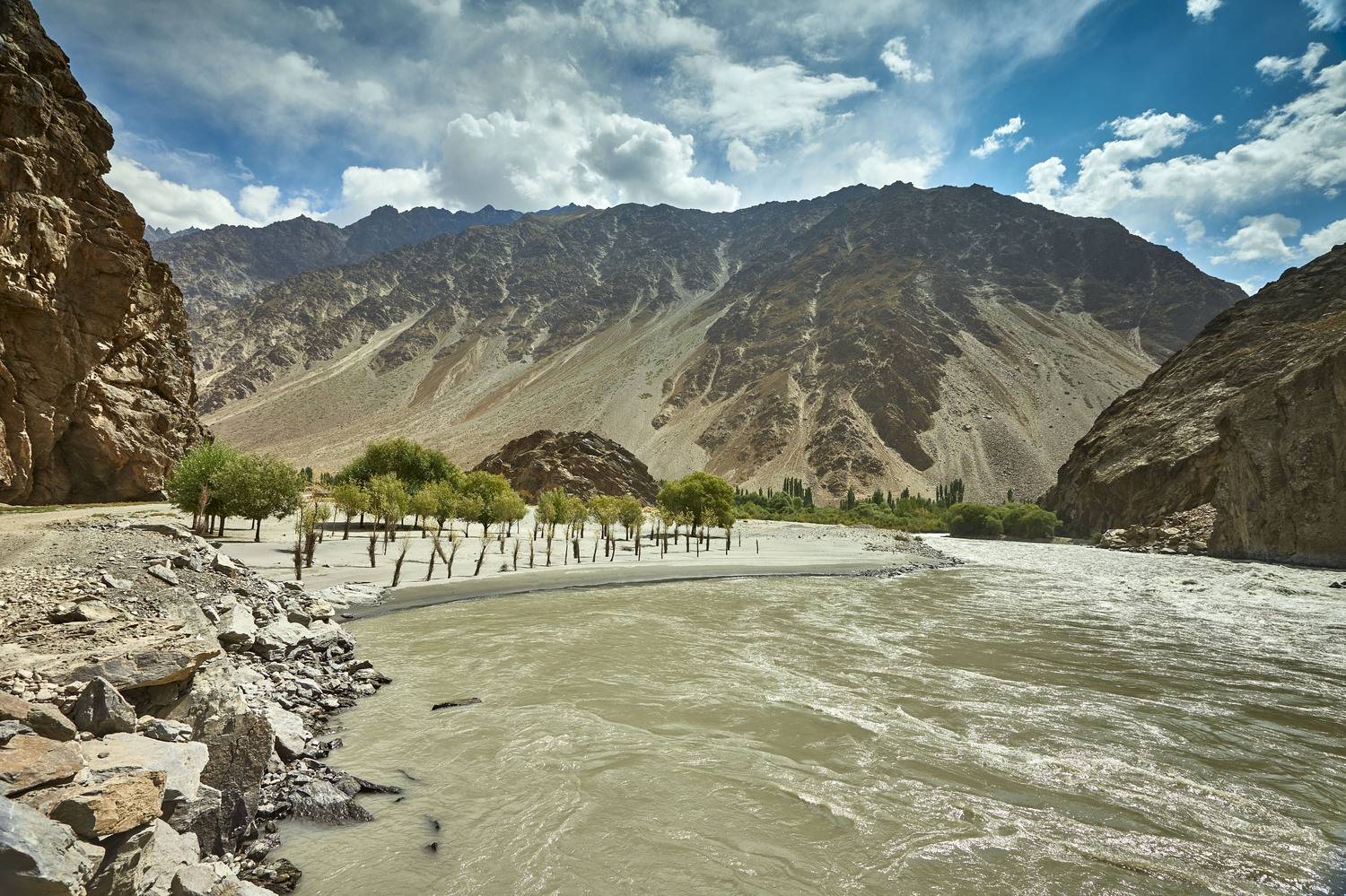
The people here maintain a traditional way of life, passing down the knowledge and customs of their ancestors from generation to generation.

The road to Bartang is considered one of the most challenging in the Pamirs. The narrow highway connecting the valley to the Pamir Highway is frequently closed due to avalanches, rockslides, mudflows, or flooding. However, it is precisely in this remote location, far from civilization, where travelers can experience a true sense of unity with nature.


Lake Sarez

The famous Lake Sarez, often called the "Sleeping Dragon" of Central Asia, is located in the Rushan district of GBAO. This unique lake was formed in 1911 after a powerful earthquake caused a massive landslide (the Usoy landslide) that blocked the Murgab River. The lake stretches up to 70 kilometers in length, with a maximum depth of 500 meters.
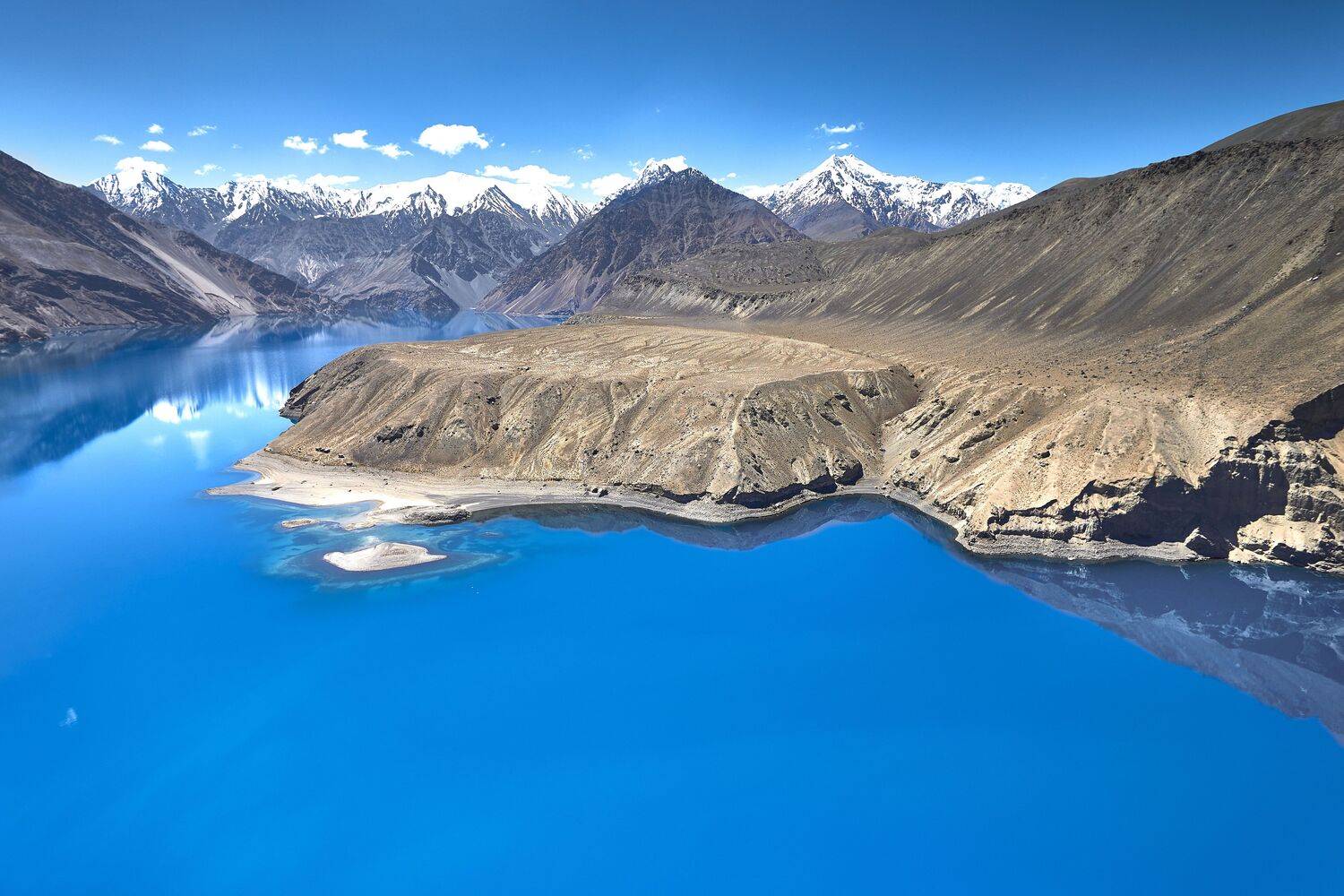
The road ends at the village of Barchidev, and from there, travelers must walk for about 9-10 hours along the Murgab River, navigating steep climbs to reach the lake. A trek to the giant Usoy Dam, combined with a glimpse of the piercing blue of Lake Sarez, will provide some of the most profound experiences that wild nature can awaken in a person.

Important: In addition to the GBAO entry permit, visitors to Lake Sarez also need approval from Tajikistan’s Emergencies Committee.


Eastern Pamir: The Fantastic Murgab

Eastern Pamir greets travelers with truly otherworldly landscapes. The Murgab district is a land of cold lakes, desert plateaus, and silence so profound that it feels almost tangible. At altitudes exceeding 3,500 meters, it seems as though the sky has come closer and the air has become more transparent.

A true jewel of Murgab is Kara-Kul, Tajikistan's largest lake, whose name translates to "Black Lake." It is located in the crater formed by a meteorite impact. The lake’s saline waters change color from azure to deep black.
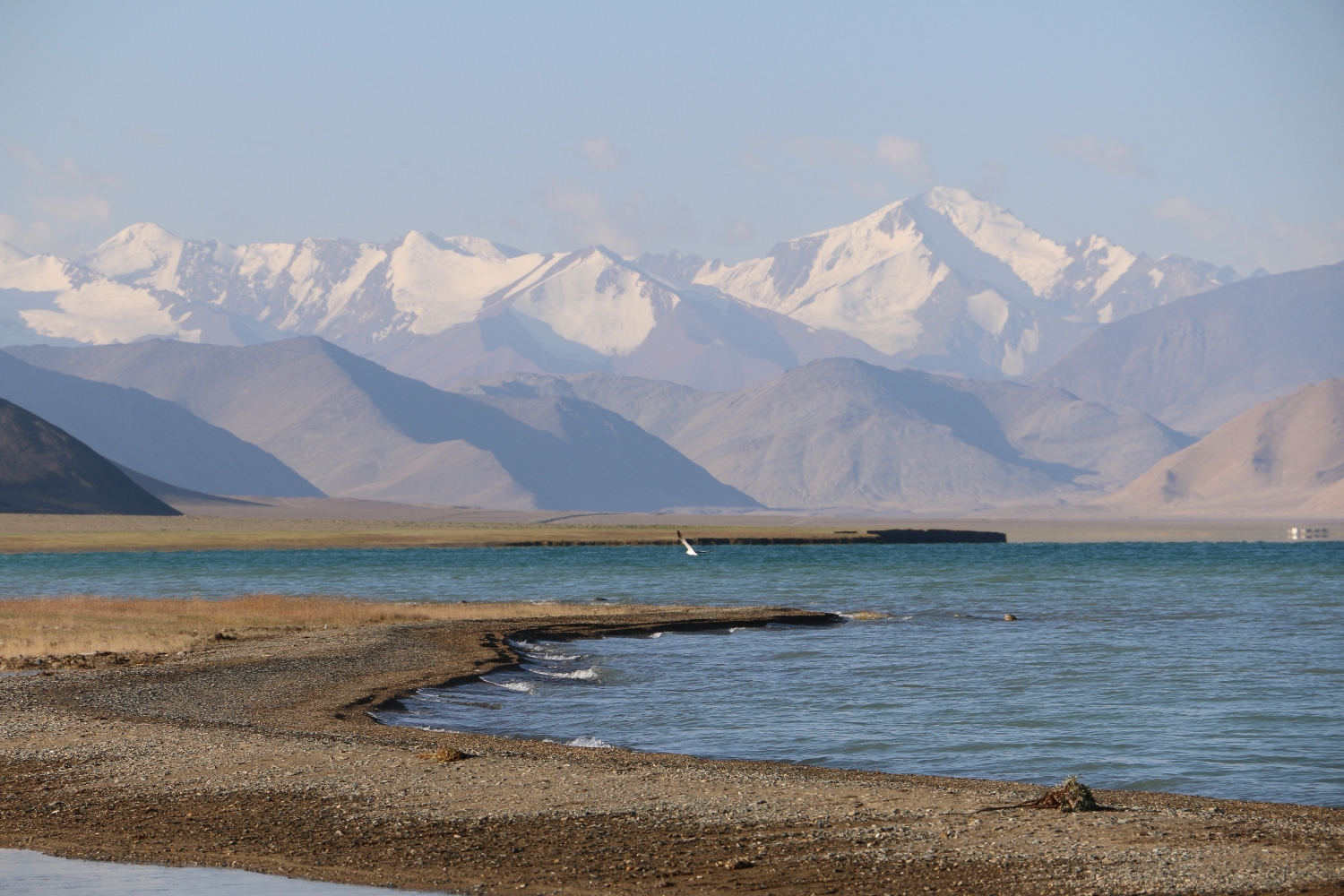
Equally beautiful are the freshwater lakes Yashilkul ("Green Lake") and Bulunkul, located close to each other. Known for their mirror-like surfaces and abundant trout, these lakes offer breathtaking views. At the junction of Ishkashim and Murgab districts lies Zorkul Lake, the source of the Pamir River, which is one of the sources of the mighty Amu Darya.

The center of the district, Murgab, is the highest settlement in the CIS (3,600 meters). Here, it’s worth visiting the local market, located in shipping containers, where you can find everything from spare parts to yak wool products.
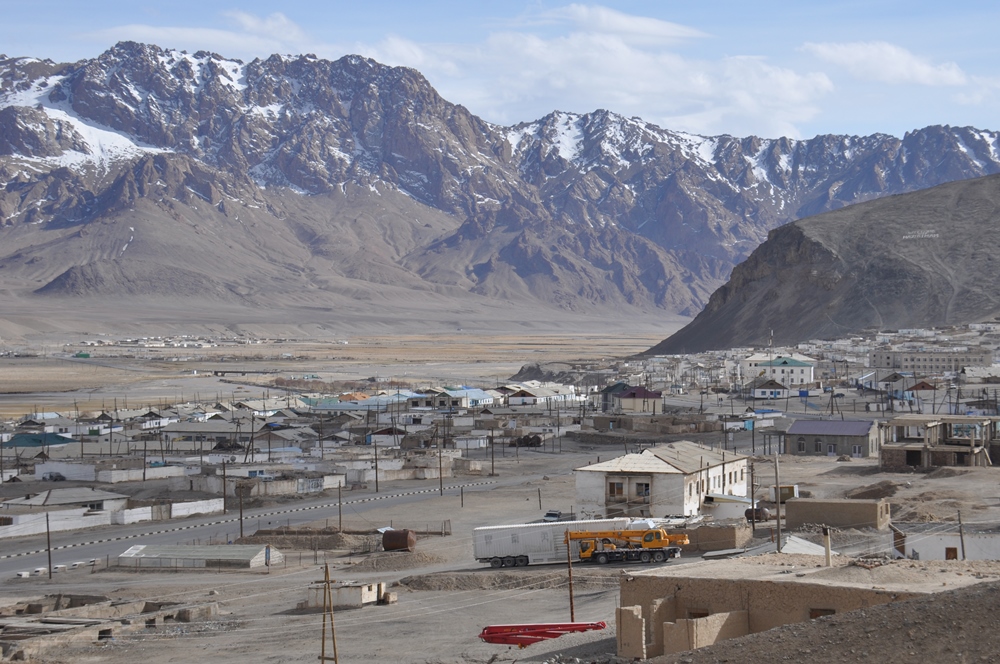
In the surrounding area, you can discover ancient petroglyphs, taste local kumis, see real yaks, and experience what it feels like to be at the edge of the world.

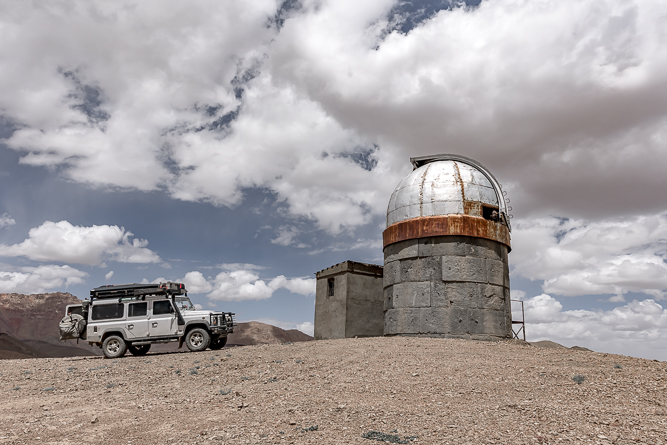
Not far from the settlement of Murgab, at an altitude of 4,350 meters, stands the Shorbuk Observatory, considered one of the highest astronomical stations in the world. Once, this observatory served as a frontier for space exploration and infrared radiation studies, chosen for its phenomenally clear and dry air.

Currently, the station is no longer operational, but its abandoned buildings and old telescopes still exude a mystical atmosphere. Despite its state of decay, a visit here is worth every kilometer of the journey, offering incredible views of the seven-thousanders of Chinese Xinjiang — Muztagh-Ata and Kongur.
 

Mountaineering in the Pamirs: only stars are higher

For mountaineers, the Pamirs are the ultimate challenge. The region is home to three legendary seven-thousanders: Ismoil Somoni Peak (7,495 meters), Lenin Peak (7,134 meters, now named Abu Ali ibn Sino in Tajikistan), and Korzhenevskaya Peak (7,105 meters, now known as Ozodi Peak), as well as several peaks over 6,000 meters. This is a land of extreme altitudes where physical strength, endurance, and immense courage are essential.

Each ascent in the Pamirs is a serious multi-day expedition for those who are ready to take on the forces of nature. The path to the summits begins in base camps, such as the famous Moskvina Glade, which can only be accessed by helicopter.
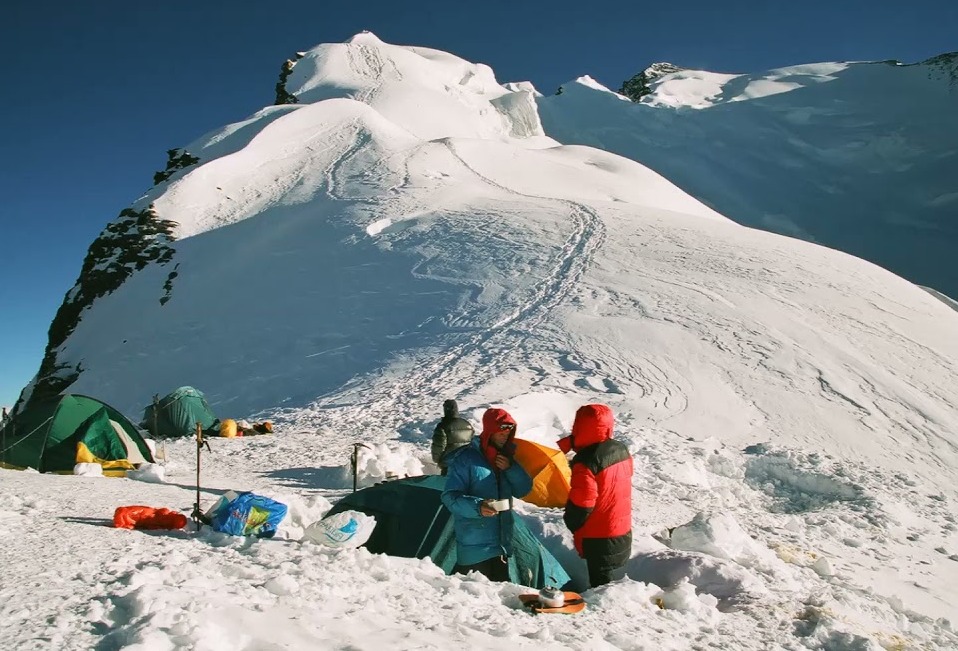
Harsh weather conditions — gusty winds, sudden snowstorms, and treacherous crevasses in glaciers — make the Pamirs a school of survival. But the reward for overcoming these challenges is the view from the "Roof of the World," where clouds lie far below, and the horizon stretches across several great mountain ranges.

Important: Any ascent route must be reported to the Tajikistan Emergency Situations Committee (KChS).

GBAO is a region of true contrasts, where icy peaks coexist with the life-giving power of crystal-clear waters. The Pamirs reveal themselves to each traveler in their own way, but they invariably leave a deep mark on the heart of anyone who dares to embark on this journey.

Local travel companies can help you plan your route and organize your trip:

 ·         Badakhshon Travel (Tel. +992 935556856, 935711349)

·         "Bomi Jahon Tour" (Tel. +992 935637141, 935632992)

·         "Nuri Kuhiston" (Tel. +992 935817560, 919021030, 918708337)

·         Silkway Adventure (Tel. +992 935757800, 934271717)

·         "Buzi Kuh" (Tel. +992 987230982, 919990803)