Home Blog Page 83

China–Central Asia trade surpasses $100 billion in 2025

0

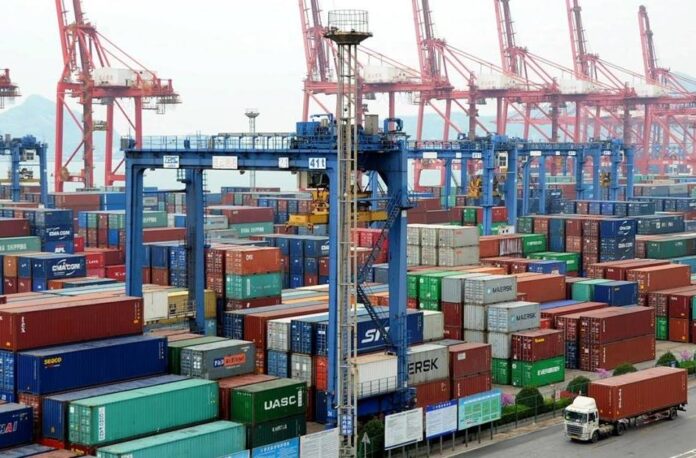
Trade between China and the five Central Asian countries exceeded $100 billion in 2025 for the first time, marking a new milestone in their economic relations, Chinese Foreign Ministry spokesperson Guo Jiakun said on January 19.

Citing customs statistics, Guo made the remarks while responding to a question at a regular press briefing. He noted that economic and trade cooperation between China and Central Asia has continued to grow despite sluggish global economic conditions and ongoing challenges facing the international trading system.

According to Guo, surpassing the $100 billion mark reflects the strong momentum of China–Central Asia cooperation and highlights the role of the China–Central Asia cooperation mechanism in promoting regional economic ties.

He added that relations between China and Central Asian countries expanded steadily throughout 2025, with progress reported in Belt and Road cooperation, institutional coordination, and people-to-people exchanges.

Guo also pointed to the Second China–Central Asia Summit as a key development, saying it opened a new phase of high-quality cooperation between the two sides.

Looking ahead, Guo said China is prepared to continue working with Central Asian partners to deepen cooperation, strengthen the China–Central Asia mechanism, and promote innovation-driven and results-oriented collaboration across various sectors, with the goal of building a closer China–Central Asia community with a shared future.

Relations between China and Central Asian countries are rapidly evolving into a strategic partnership centered on economic integration, infrastructure development, and security cooperation. Key drivers include expanded trade, Belt and Road Initiative projects, energy collaboration, and growing political engagement.

The deepening ties have been underscored by frequent high-level meetings, including the China–Central Asia summits held in 2023 and 2025, as well as the signing of multiple bilateral and multilateral agreements aimed at advancing mutual economic and security interests.

China has become the largest trading partner for several Central Asian states and is investing heavily in regional connectivity, energy projects—including nuclear energy—and technology sectors. These investments are viewed by regional governments as critical to supporting economic development, modernizing infrastructure, and enhancing energy security.

At the same time, Central Asian countries are leveraging cooperation with China to strengthen regional security, particularly in relation to stability in Afghanistan. Security dialogue and coordination have become an increasingly prominent component of China–Central Asia relations.

Analysts note, however, that as China’s influence in the region continues to grow, Central Asian governments face the challenge of balancing the benefits of economic cooperation with concerns over national sovereignty and potential economic dependence. Managing this balance is expected to remain a key issue as the partnership continues to expand.

Shipping goods from China with Jana Post: transparent pricing and full tracking

0

More and more people in Tajikistan are choosing to order goods directly from China rather than through offline stores. Online shopping allows customers to select products from home or the office, but delivery often raises questions about cost, tracking, and unexpected fees.

The international logistics service Jana Post offers a different approach — a transparent and technology-driven delivery system that allows customers to clearly understand pricing and track their orders at every stage.

Jana Post operates through its own mobile application and calculates shipping costs based solely on weight, without considering volume. This helps customers avoid overpaying, especially when shipping bulky but lightweight items.


Supported marketplaces

Jana Post enables deliveries from nearly all major Chinese online marketplaces, including PinDuoDuo, TaoBao, 1688, POIZON, JD.com, and others. The service can be used for both personal purchases and business needs.

Customers can ship anything from small parcels to large cargo. Weight is rounded to 0.1 kg — for example, a package weighing 0.089 kg will be calculated as 0.1 kg.


No hidden fees

Shipping costs are calculated once the goods arrive at Jana Post’s warehouse in China and are immediately displayed in the mobile app. Customers see the final price before the shipment is sent to Tajikistan.

The company emphasizes that its pricing is clear and fixed, with no hidden charges, recalculations, or unexpected payments. This allows users to plan their expenses in advance and be confident in the final cost.


All services via mobile app

Jana Post operates exclusively through its own mobile application, without using chats or bots. The app allows users to calculate shipping costs, track shipment status and location, and receive notifications when parcels arrive at pickup points.

All payments are made online via Alif Mobi and Korti Milli bank cards. The app is available for download on Google Play and the App Store.

Special promotion for new customers

Jana Post is currently running a prize draw for new users. To participate, customers need to:

·         download the Jana Post app;

·         set the Jana Post warehouse address as the default pickup point;

·         purchase any item from a Chinese marketplace, regardless of price.

After completing a purchase, users are automatically entered into the draw. Two prizes are raffled weekly, including Lenovo wireless headphones, a Lenovo hair dryer, and a tea station with a dispenser function. Once a month, a grand prize — a robot vacuum cleaner — is awarded. Winners are selected using a random number generator.


IAEA: Tajikistan’s uranium legacy at risk due to funding shortages

0
photo_2026-01-20_11-50-01

The International Atomic Energy Agency (IAEA) has expressed concern over the condition of uranium tailings sites in Tajikistan, warning of a serious lack of funding for their remediation. The warning is contained in the agency’s new Strategic Programme Document published in January 2026.

According to the IAEA, 10 uranium tailings facilities remain in Tajikistan’s Sughd province, containing approximately 55 million tons of radioactive waste. The agency has extended its cooperation with Tajikistan, Kyrgyzstan, and Uzbekistan on the cleanup of uranium legacy sites until 2030, but funding remains the main challenge.

The IAEA estimates that about €210 million is required to fully remediate uranium legacy sites across Central Asia. To date, donors have provided only €113 million, leaving a funding gap of nearly €100 million.

The agency notes that radioactive waste in Tajikistan is spread over roughly 170 hectares, with a total radioactivity exceeding 6,500 curies. These large volumes of hazardous materials remain relatively safe only as long as containment structures remain intact.

Deterioration of protective infrastructure, landslides, erosion, or the leaching of radioactive substances into soil and water could cause serious harm to public health and regional ecosystems. The most problematic sites are located near the towns of Istiqlol (formerly Taboshar), Buston (formerly Chkalovsk), the settlement of Adrasman, and areas surrounding Bobojon-Ghafourov district.

The IAEA emphasizes that without additional investment—particularly from the European Bank for Reconstruction and Development (EBRD)—the completion of key remediation projects in Tajikistan remains uncertain.


A Soviet-era uranium legacy

Tajikistan’s uranium legacy dates back to intensive uranium mining and processing that began in the 1940s at the Taboshar and Adrasman deposits. Between 1945 and 1993, more than 55 million tonnes of radioactive waste accumulated in the country.

Following the closure of mining operations, Tajikistan was left with abandoned mines, underground workings, waste rock dumps, and tailings facilities, many of which were constructed without consideration for seismic, hydrological, or climatic risks.

The first major phase of remediation was completed in Taboshar in 2023. Four tailings facilities and the so-called “Yellow Mountain” were stabilized, reducing waste volumes by 7.6 million tonnes and shrinking contaminated areas by 57.6 hectares.

Even so, only about 17.5 percent of the total uranium waste has been remediated. Tens of millions of tons of radioactive materials across 123 hectares still require rehabilitation, along with larger tailings sites where work has yet to begin.

Tajikistan has reached an agreement with Russia to continue remediation work between 2025 and 2028. Russia will allocate 1.563 billion rubles to clean up tailings in Adrasman and a waste dump at Workshop No. 3 at the Taboshar site. These funds will be used to isolate radioactive waste and reduce environmental risks in the most critical areas.

However, the bulk of tailings facilities and the most hazardous sites still require substantial investment and international donor involvement. Experts identify the first through fifth stages of the Taboshar waste dumps, underground tunnels and mines, and the Degmay tailings facility—containing about 36 million tons of radioactive waste—as particularly vulnerable. These sites are highly sensitive to flooding, landslides, and the failure of aging dams and are included in the priority remediation list.


What has been achieved so far

Since 2010, Tajikistan has actively worked with international partners to address its uranium legacy, but financing for large-scale projects has progressed more slowly than needed.

More than 17 percent of the most hazardous sites have been rehabilitated under a CIS interstate target program. However, another key financial instrument—the EBRD-managed Environmental Remediation Account for Central Asia—has yet to become fully operational for Tajikistan.

The Ministry of Industry and New Technologies says the launch of this mechanism has been delayed for objective reasons. Authorities previously indicated that funds were expected by the end of 2025, which would allow new remediation projects to move forward.

In February 2025, Tajikistan approved a new national program for uranium tailings remediation for 2025–2030, along with an action plan for 2025–2027. These documents cover the full cycle of work, from improving regulatory frameworks to post-rehabilitation monitoring of the sites.

Tajikistan hit by record temperature anomalies in 2025

0
photo_2026-01-20_08-13-43

In 2025, Tajikistan recorded some of the highest temperature anomalies in the world, with average temperatures exceeding seasonal norms by more than 3 degrees Celsius compared to the 1981–2010 baseline period. This is according to data from the European climate monitoring program Copernicus.

From May through December — with the exception of November — each month saw record-high temperatures, making Tajikistan one of the countries most affected by the global heatwave.

Overall, 120 monthly temperature records were broken worldwide in 2025 across more than 70 countries. Preliminary assessments indicate that the past 12 months will rank among the three warmest periods ever recorded, surpassed only by 2024 and 2023.

Experts note that Tajikistan is particularly vulnerable to extreme heat due to socio-economic factors. According to international organizations, only about 41 percent of the country’s population has access to safe drinking water, increasing risks to public health and food security.

Significant warming was also observed in neighboring countries — Kazakhstan, Uzbekistan, and Iran — where temperatures exceeded seasonal averages by 2–3 degrees Celsius. However, Tajikistan experienced the most pronounced deviation from climatic norms.

Beyond Central Asia, record-breaking heat affected the Sahel region in Africa as well as several European countries. 

Scientists from the World Weather Attribution research network emphasize that since 2015, extreme heatwaves have become nearly ten times more likely, a trend directly linked to human-induced climate change. 

Heavy snowfall expected in Tajikistan

0
photo_2026-01-20_09-58-35

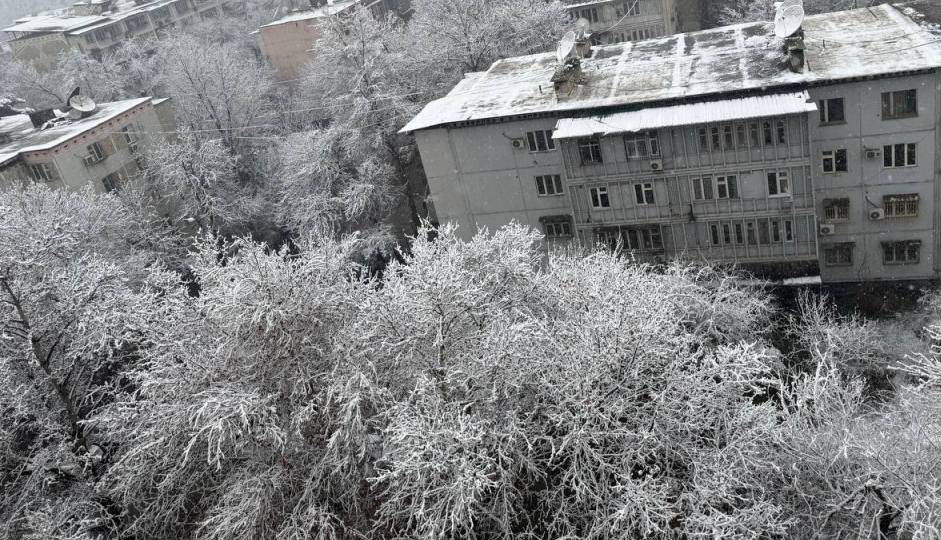
Tajikistan’s Agency for Hydrometeorology (Hydromet) has issued a warning about heavy snowfall expected in Dushanbe, its surrounding areas, and most regions of the country on January 22.

Forecasters note increased risks on mountain roads and passes, including avalanches, icy conditions, snowdrifts, and sharply reduced visibility, which may significantly disrupt traffic.

Citizens are advised to postpone travel where possible, check road conditions and weather forecasts in advance, and drivers are urged to strictly follow road safety rules.

At the same time, Hydromet forecasts that January 2026 will be relatively warm across much of Tajikistan. Average monthly air temperatures are expected to be 1–2 degrees Celsius above the climatic norm.

Precipitation levels are forecast to be around or slightly below average, while sharp temperature fluctuations are possible in mountainous areas.

Overall, January is expected to be warmer than usual, with a precipitation deficit and unstable weather conditions in high-altitude regions.

Zamira Ghaffori wins the Award for Women Scientists

0
photo_2026-01-20_09-27-59

Ms. Zamira Ghaffori, a professor at Khujand State University (KhSU), has been awarded the prestigious Award for Women Scientists. The university’s official Facebook page says the award was presented to her in Tehran, as reported.

The award was reportedly established by the Iranian Kashan Islamic Culture Foundation and is given for significant contributions to literature, culture, and the arts in the Islamic world.

Zamira Ghaffori was honored for her extensive research on Persian-language literature in India and for publishing several academic works, including History of Persian Literature in Kashmir.

Her scholarly works, such as Towards India, History of Persian Literature in Kashmir in the 16th-17th Centuries, Jamaali Dehlavi and His Poem "Mehr and Moh", Kalamat-ush-Shuaro, Safinai Khushgu as a Source of Literary Criticism, and a special issue of the journal Kandi Porsi dedicated to her academic work, have received high praise.

It is also worth noting that Tajik women scientists previously won 10 awards at the International Korean Women Inventors' Exhibition – KIWIE 2025. The awards included five gold medals, two silver, and three bronze.

Gold medals were awarded to Ganjina Navrouzoda for a method of treating chronic respiratory diseases, Rukhshona Aloviddinzoda for a method of obtaining plant protection agents against fungi and mites, Munifiza Burhoni for a radiotherapy method for patients with skin cancer and COVID-19, Gulandom Karimzoda for a method of reinnervation of a transplanted inguinal flap, and Sofiya Safiyeva for a method of bone grafting for the lower jaw.

In addition, Ganjina Navrouzoda received a special award from the International Federation of Inventors' Associations (IFIA), while Rukhshona Aloviddinzoda was recognized by the Korean Institute of Patent Information. 

Bird flu, superbugs, and “disease X”: the major threats of 2026

0

In 2026, experts and international organizations are highlighting a range of infectious and non-infectious threats that could seriously affect global health security. These include zoonotic viruses, antibiotic-resistant bacteria, and the rising burden of cancer.


Bird flu: a potentially deadly mutation

Influenza A viruses remain among the most serious global threats. Their ability to mutate rapidly and infect multiple animal species makes outbreaks difficult to predict. Scientists are particularly concerned about the highly pathogenic avian influenza virus H5N1.

According to the World Health Organization (WHO), the case fatality rate among confirmed infections may reach 50 percent or higher. However, experts stress that these figures reflect only reported cases. In many instances, infection may be mild and go undetected.

A study by Canadian researchers published in Epidemiology & Community Health suggests that the actual fatality rate of H5N1 is between 14 and 33 percent — still an alarmingly high level. Specialists also warn that several other viral diseases, including HIV, may regain prominence due to disruptions in funding for prevention and treatment programs.


Antibiotics losing their power

The growing resistance of bacteria to antibiotics is another major concern. According to a 2025 WHO report, one in six bacterial infections worldwide is already resistant to standard antibiotic treatment, with resistance rates increasing by 5–15 percent annually.

For the first time, global estimates have been published on resistance to 22 antibiotics used to treat urinary tract, gastrointestinal, bloodstream infections, and gonorrhea. The most alarming trends involve common pathogens such as Escherichia coli, Klebsiella pneumoniae, Acinetobacter, and Salmonella.

Experts warn that an increasing number of strains are becoming resistant even to last-line antibiotics. More than 40 percent of E. coli strains and 55 percent of Klebsiella strains are resistant to third-generation cephalosporins. Resistance to carbapenems — antibiotics reserved for severe infections — is also rising rapidly.

As a result, routine infections, including bladder infections, wound infections, and pneumonia, may become life-threatening.


Tuberculosis: an old threat persists

Tuberculosis remains one of the world’s deadliest infectious diseases. The WHO estimates that around 1.2 million people die from TB each year. Drug-resistant forms of the disease are most commonly reported in Central Asia, as well as in Russia, Ukraine, and Belarus.

Particular concern is caused by multidrug-resistant and extensively drug-resistant tuberculosis, which is far more difficult and time-consuming to treat.


Nipah virus — a candidate for “Disease X”

In 2018, the WHO introduced the term “Disease X” to describe an unknown pathogen that could cause a major epidemic or pandemic. One potential candidate is the Nipah virus.

Nipah can cause encephalitis and severe respiratory illness. According to the WHO, its fatality rate ranges from 40 to 75 percent. Most recorded cases have been linked to contact with bats — the virus’s natural reservoirs — as well as infected pigs.

Experts emphasize that Nipah has significant pandemic potential. As an RNA virus, it mutates rapidly, and the emergence of a strain capable of sustained human-to-human transmission cannot be ruled out. Increased human contact with wildlife, driven by deforestation, urbanization, and climate change, further heightens the risk.


Cancer cases on the rise

Scientists are also warning of a sharp increase in cancer cases worldwide. If current trends continue, the number of new cancer cases could exceed 30 million annually by 2050, with deaths approaching 19 million.

The fastest growth is expected in low- and middle-income countries, where health systems are less equipped for early diagnosis and treatment. About 40 percent of cancer deaths are linked to preventable risk factors, including smoking, unhealthy diets, obesity, and high blood sugar levels. Tobacco use alone accounts for one in five cancer deaths globally.

While cancer mortality is declining in high-income countries, it continues to rise in resource-limited regions, driven not only by lifestyle factors but also by demographic changes such as population aging.

Tojikstandart issues warning after family poisoning in Sughd province

0
1014406865_0_184_2991_1866_600x0_80_0_0_7e348f2285cf22bf8c39133c9a8aef98

Tojikstandart (the Agency for Standardization, Metrology, Certification and Trade Inspection under the Government of Tajikistan) has urged citizens to exercise caution when purchasing and consuming canned foods, warning of the risk of food poisoning if products are improperly prepared or stored.

The agency says that every year dozens of families are hospitalized after consuming canned vegetables, particularly eggplants, cucumbers, and mushrooms.

Tojikstandart noted that the main cause of such incidents is the failure to comply with sanitary requirements and technical regulations during food preparation. “To prevent poisoning, it is essential to strictly follow home canning rules, including proper heat treatment and storage conditions. Canned products with swollen or rusted lids must not be consumed,” the agency emphasized.

The agency also recommends purchasing canned products only with clear labeling and a stated production date, storing them in a cool and dry place, and carefully inspecting containers before use. If a jar foams, makes a sound when opened, or has an unpleasant odor, the product should not be consumed.

The warning follows a recent incident in Sughd province. On January 14, five members of one family in the Spitamen district were hospitalized after consuming homemade canned food. Nine other relatives underwent medical examinations and remain under doctors’ supervision.

The victims were taken to the central district hospital, where they were diagnosed with moderate food poisoning. Their condition is reported as stable, and they are expected to be discharged in the coming days.

An official source within the Sughd Sanitary and Epidemiological Surveillance Center told Asia-Plus that the poisoning was caused by homemade canned products. A total of 30 jars of home-preserved food were seized for laboratory testing.

According to the authorities, four cases of mass food poisoning were recorded in Sughd province in 2025, affecting 14 people. This incident is the first such case reported in the area in 2026.

Tajikistan plants saxaul on hundreds of hectares to protect against dust storms

0
Saxaul

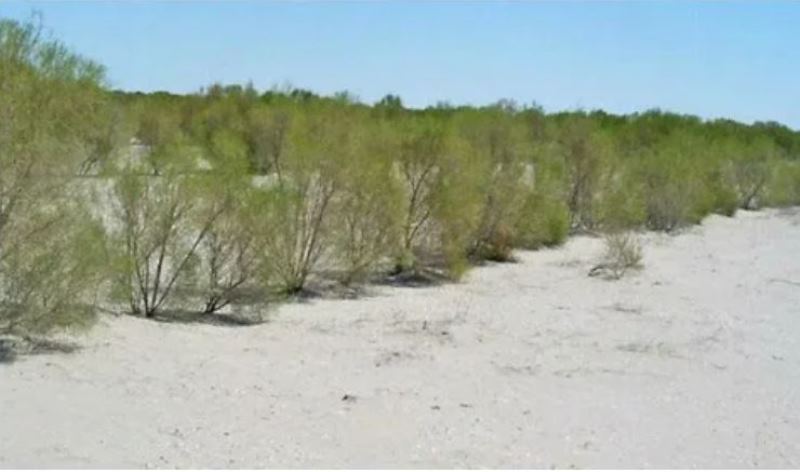
Tajikistan continues to implement measures aimed at mitigating the effects of climate change. In the Shahriotus district of Khatlon province, saxaul has been planted on more than 250 hectares, while in the Asht district of Sughd province it has been planted on 70 hectares.  The state-run news agency Khovar reported this, citing the State Research Institute of Forestry.

According to the institute, plans are in place to expand the area of saxaul plantations in the Asht district to more than 350 hectares by 2027.

Director of the Research Institute of Forestry, Nourali Huseinov, emphasized that planting saxaul plays a key role in climate change adaptation and environmental protection.

“This plant helps stabilize sands and prevent the formation of sandstorms. Thanks to its powerful root system, saxaul укрепляет sandy areas, effectively curbing desertification and the spread of dust. It improves soil quality, retains moisture, and increases the soil’s capacity to support the growth of other plants. In other words, this rare plant protects the soil and supports local ecosystems,” he said.

Experts note that land degradation remains one of the most serious global challenges. According to estimates, more than 12 million hectares of fertile land are lost worldwide each year, and by 2050 drought could affect up to 75 percent of countries.

In Tajikistan, these processes manifest themselves in soil erosion, desertification, and an increase in the frequency of dust storms. Forestry specialists say that dust and haze in the country mainly originate from arid regions of Uzbekistan, Turkmenistan, and Afghanistan.

Saxaul is well adapted to harsh desert conditions, being resistant to drought, extreme heat, and saline soils. The plant helps preserve natural desert ecosystems and partially prevents wind erosion.

Efforts to expand saxaul plantations are being carried out as part of forest restoration projects implemented in Tajikistan.

The saxaul (genus Haloxylon) is a tough, drought-resistant desert shrub or small tree from Central Asia and Western Asia, known for its tiny scale-like leaves, green branches, spongy bark, and extensive root system that stabilizes sand. 

Tajikistan discusses climate project on forest conservation and restoration

0

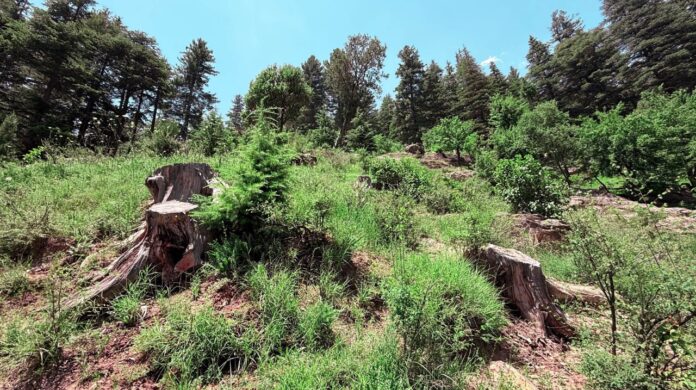
A national consultation on the preparation of a new Green Climate Fund (GCF) project was held in Dushanbe, focusing on tree planting, sustainable forest management, and forest conservation to reduce greenhouse gas emissions. This was reported to Asia-Plus by the FAO Tajikistan communications service.

The event brought together representatives of government agencies, scientific and educational institutions, civil society organizations, local communities, and the private sector. Participants discussed the impact of climate change on the country’s natural environment and economy, including agriculture, forestry, water resources, and mountain ecosystems.

Particular attention was paid to the role of ecosystem protection and restoration in strengthening the country’s resilience to climate change, conserving biodiversity, supporting livelihoods, and reducing the risks of natural disasters.

During the discussions, participants put forward proposals regarding the objectives of the future project, its priorities, key beneficiaries, and climate change mitigation measures. The importance of aligning the project with Tajikistan’s national development strategies and international climate commitments was also emphasized.

Separate sessions focused on the restoration of watersheds and forest areas, as well as opportunities to expand forest cover and promote sustainable forest management through partnerships with various organizations.

“Active engagement of stakeholders is crucial to ensuring the effectiveness, inclusiveness, and national ownership of climate investments. This consultation provides a solid foundation for developing a GCF project that will support Tajikistan in meeting its climate commitments while strengthening forest ecosystems and the livelihoods that depend on them,” said Mr. Aghasi Harutyunyan, Acting FAO Representative in Tajikistan.

Following the meeting, the parties agreed to continue consultations, refine the project concept based on the feedback received, and submit it to the relevant ministries for further consideration within the framework of the Green Climate Fund.

The event was organized by the Food and Agriculture Organization of the United Nations (FAO) in cooperation with the Committee for Environmental Protection under the Government of Tajikistan, which serves as the national designated authority for the Green Climate Fund.