
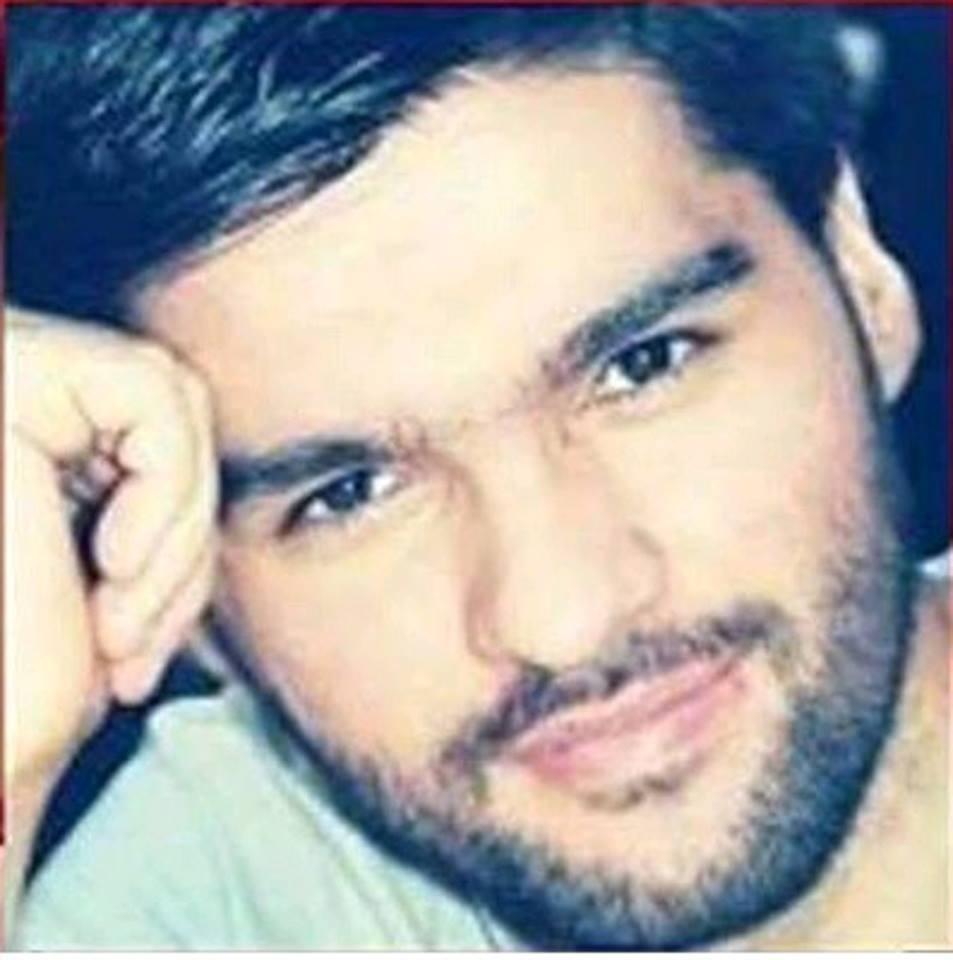
DUSHANBE, July 29, 2015, Asia-Plus — The BBC’s Russian Service reports that the Association for Human Rights in Central Asia (AHRCA) has called on the Russian authorities to launch an unbiased investigation into disappearance of Tajik oppositionist Ehson Odinayev.
According to AHRCA, Ehson Odinayev, 24, who is member of unregistered organization “Youth for the Revival of Tajikistan,” disappeared in St. Petersburg on May 19, 2015. He has reportedly criticized the Tajik government on social media under the nickname of “Sarfarozi Olamafrouz.”
Ehson’s relatives applied to the police department in St. Petersburg’s Frunze district but they said that they have no information about Odinayev’s whereabouts.
Ehson Odinyaev has reportedly been wanted by Tajik authorities for involvement in cyber crimes.
Human rights activists, however, consider that these accusations are politically motivated. They believe that young blogger has angered the Tajik authorities by open criticism.
Earlier, Maqsoud Ibrohimov, leader of “Youth for the Revival of Tajikistan” and member of the governing board of the opposition coalition New Tajikistan, which includes Group 24, had got a long jail term.
We will recall that a court in Dushanbe’s Ismoili Somoni district sentenced Maqsoud Ibrohimov to 17 years in prison on June 24. According to the court’s website, the sentence followed his conviction on charges of organization of activity of an extremist group (Article 307 (1) of Tajikistan’s Penal Code), public calls in support of extremist activity (Article 307) and organization of a criminal group (Article 187).
Maqsoud Ibrohimov, 36, first made headlines in November 2014 when he was attacked by two unidentified assailants in Moscow.
Up until December 2014, Maqsoud Ibrohimov was a citizen of Russia who renounced his Tajikistan citizenship in 2004. He had been living in Russia for 10 years before establishing the movement “Youth for the Revival of Tajikistan” in October 2014. As part of the New Tajikistan coalition, the movement called for peaceful protests to be held on October 10 in Dushanbe. Reacting to this, Tajikistan announced the movement illegal on October 7 and requested an extradition of Ibrohimov from Russia. Complying with the request, Russia”s authorities arrested Ibrohimov on October 9 but the Russian court denied Tajikistan”s request and he was freed on October 11, 2014.
A stream of threats reportedly followed this denial of extradition, including threats from Tajik law enforcement services. This was documented in Ibrohimov”s statement to the Russian police, which refused to register his complaints. On November 26, 2014, Ibrohimov was attacked in Moscow by two persons who left him with 6 knife wounds. His condition was severe but he survived. In December 2014 Ibrohimov suddenly discovered that the Russian Federation stripped him of his Russian citizenship.
On January 20, 2015, Ibrohimov was arrested by Russian authorities again and immediately extradited to Tajikistan.
Maqsoud Ibrohimov has been accused of being member of Group 24 but he has denied any association with Group 24.
The founding leader of Group 24 Umarali Quvvatov once had close ties with President Emomali Rahmon’s relatives but became an opponent. He fled Tajikistan for Moscow in the summer of 2012. There he formed an organization called Group 24, which he claims is a new political movement opposed to incumbent President Rahmon. He was wanted by Dushanbe on fraud charges that he said were politically motivated.
Quvvatov stayed in Russia and the United Arab Emirates before moving to Turkey. On December 19, 2014, Umarali Quvvatov was arrested in Istanbul for visa violations, but he was released on February 3, 2015. Umarali Quvvatov was shot dead by unidentified assailant in Istanbul, Turkey on March 5.
Tajikistan”s Supreme Court banned Group 24 on October 9, 2014 following growing government pressure on the opposition group after it used the Internet to call for street protests in the capital, Dushanbe, on October 10.
Supreme Court judge Salomat Hakimova ruled that Group 24 is an extremist organization, and therefore is banned in Tajikistan. Its website and printed materials were also banned.
In March 2015, three persons were jailed in Tajikistan for alleged association with the Group, receiving sentences ranging from 16½ to 17½ years. In April 2015, another two persons were sent into prison for 3½ and 3 years for alleged organization of the Group”s activities inside Tajikistan.
