An article by Mr. Wencai Zhang, Vice-President for South Asia and Central and West Asia at the Asian Development Bank (ADB), entitled “A Sneak Peek at CAREC’s New Strategy” notes that since it was launched 16 years ago, the Central Asia Regional Economic Cooperation (CAREC) program has built a strong track record in promoting economic cooperation across its member countries.
CAREC has reportedly financed more than 176 projects worth nearly $30 billion in four core strategic sectors: transport, energy, trade facilitation, and trade policy. It has made significant progress on many fronts. But much more remains to be done, for instance on tapping new areas of cooperation like tourism, agriculture, information and communications technology, and finance, according to the ADB vice-president.
That’s why member countries agreed last year to create a new long-term strategy to respond to the rapidly changing global and regional landscape, address existing and emerging challenges, complement ongoing national plans, and better connect policies, projects, and people for shared prosperity and sustainable development.
Mr. Wencai Zhang notes that the new strategy is an important milestone and a collective opportunity to unleash the potential of regional cooperation for Central Asia.
It’s also an opportunity for CAREC member countries and development partners to think about how to make CAREC more effective, and how to mobilize more support from stakeholders, including the private sector, according to him.
ADB vice-president says that among the main obstacles are lack of economic diversification and concentration of exports on a narrow range of markets and products, which have made CAREC countries highly vulnerable to fluctuations in oil and commodity prices. Many economies in the region have also faced growth constraints due to their landlocked location.
Mr. Wencai Zhang considers that it’s time for countries in Central Asia to double down on efforts to bolster economic stability, promote structural reforms to diversify economies, and enhance connectivity with other economies in order to become resilient against such external shocks.
CAREC is reportedly a platform for its member countries to conduct dialogue on policies and actions to tackle these challenges.
Talking to and coordinating among each other will help CAREC countries formulate the economic policies for reform, development, and cooperation, according to Mr. Wencai Zhang. It will also help to establish the right macroprudential policies, early warning systems, and countercyclical measures that can prevent or mitigate the impact of economic and financial crises.
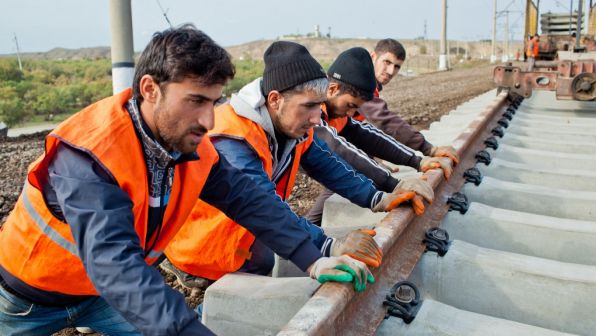
He also notes that CAREC should continue to support infrastructure development in its member countries. Infrastructure investments generate growth, support economic diversification, and help create an enabling environment for private sector-led development.
“There is also an urgent need to boost trade to create business and employment opportunities in Central Asia, where intraregional trade accounted for only 6.5% of total trade in the region in 2015,” said ADB vice-president. “The main problem is production structures that are too alike, and don’t complement each other.”
Lack of trade openness is reportedly another major concern. CAREC member countries need to develop more tradable goods and services, enhance trade facilitation, and promote financial cooperation.
Infrastructure and trade go hand in hand. Building, upgrading, and maintaining regional infrastructure will boost intra-regional trade and investment as well as transit trade along the transport corridors.
The goal is to move beyond transport corridors into trade corridors and ultimately to economic corridors that involve many countries and sectors.