On Friday December 15, the World Bank Board of Executive Directors today approved US$ 15 million in additional financing to support the ongoing Agriculture Commercialization Project in Tajikistan.
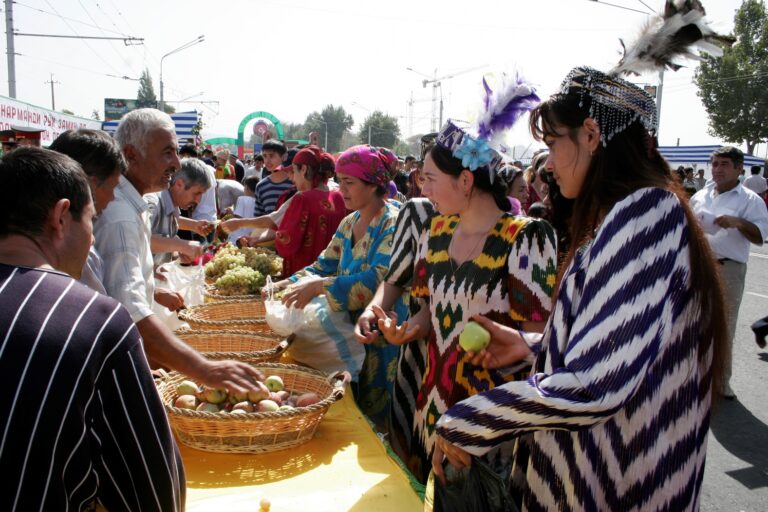
According to the World Bank Dushanbe Office, the project aims to expand opportunities for Tajik farmers and enterprises to increase productivity and access to domestic and international markets.
The project reportedly supports entrepreneurial efforts to increase productivity and employment opportunities in rural regions of Tajikistan.
Mr. Jan-Peter Olters, World Bank Country Manager in Tajikistan, notes that rural business development, including with programs to expand access to finance, support new startups, and provide rural entrepreneurs with relevant business skills, is a key instrument to foster innovation, facilitate trade, and support domestic job creation in emerging rural economies.
The original Tajikistan Agriculture Commercialization Project, financed by a grant of US$ 22 million from the International Development Association (IDA), has been supporting the commercialization of farm and agri-business products, by improving the performance of selected value chains, increasing access to finance and strengthening the capacity of small farmers, medium-scale agribusinesses, and producer associations.
To date, the project has supported over 1,000 individual farmers and small- and medium-sized enterprises with a total of US$ 3.3 million. The project is also providing support to value chains for fresh and dried apricot and dairy, having trained over 3,000 farmers on improved (post)-production technologies and market access. The first ten grants that have been approved have allowed groups of small-holder farmers to connect to the project-supported value chains. Institutional capacity building is under way to support agricultural education establishments, the project’s participating financial institutions, and the National Statistics Agency of Tajikistan.
World Bank experts say the agricultural sector plays a major role in economic growth and poverty reduction in Tajikistan. With additional financing, the project’s approach—access to knowledge coupled with financing—will be expanded beyond agriculture and agribusiness to other types of rural sub-sectors and businesses, so that there are more opportunities for income generation and job creation.
With additional financing approved on December 15, the project will also support activities aimed at increasing the amount of credit line available for agribusinesses, making a matching grant program available to support the entrance of new and young enterprises to the market and supporting capacity building for existing microcredit institutions on rural business financing, as well as for selected smaller micro-finance institutions with good potential to grow.
The World Bank’s active portfolio in Tajikistan includes 19 projects, with a net commitment of US$ 615.9 million. The World Bank Group remains committed to supporting Tajikistan as it strives to improve the lives of its people and meet the aspirations of its young and growing population.