A festival dedicated to Chakan, an embroidery art in Tajikistan, has been held in Dushanbe.
The festival, dubbed Sad Rangi Chakan (Hundred Paints of Chakan), took place last weekend in all districts of Dushanbe.
The event was organized by the Dushanbe Administration for the purpose of propagating national dress, reviving and developing the national embroidery art.
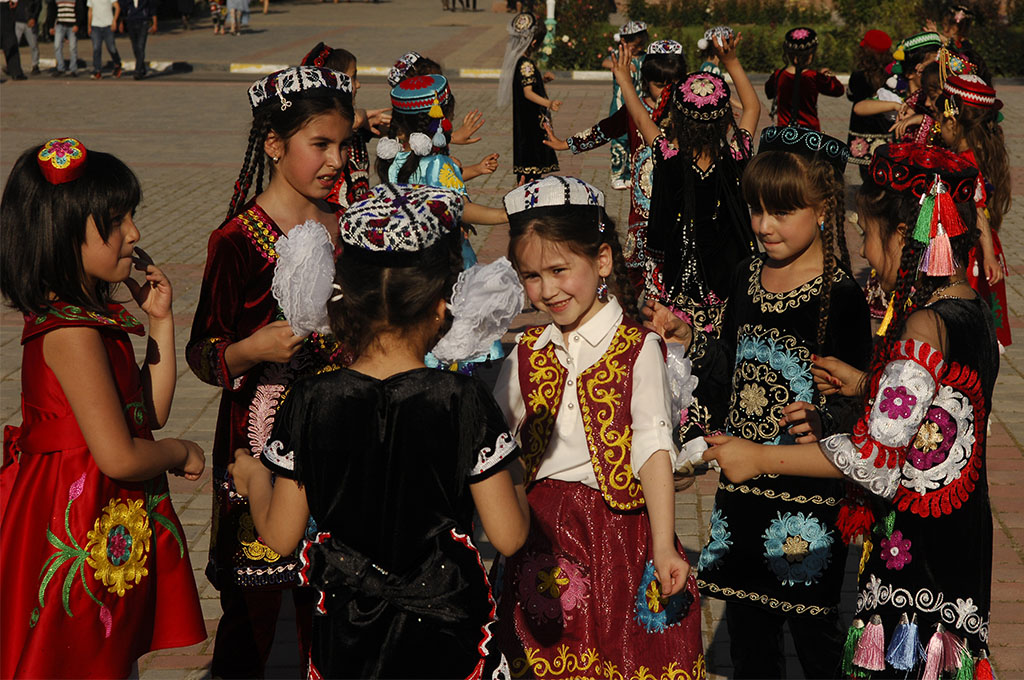
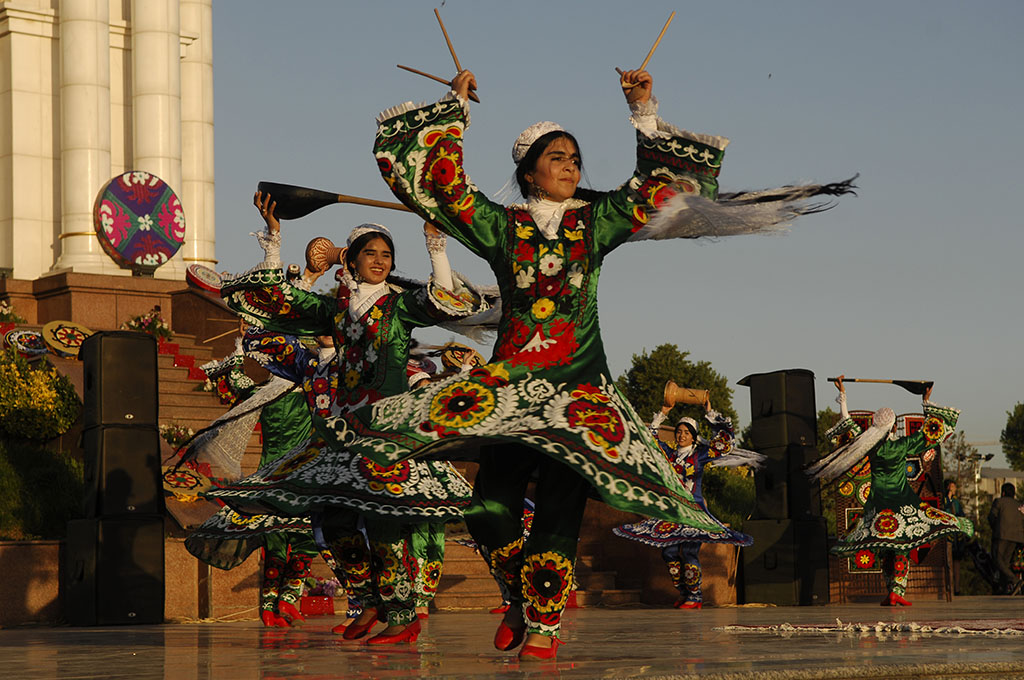
Craftswomen from all Dushanbe’s districts participated in the festival, putting on display various national dress, suzane (a type of embroidered and decorative textile made), skullcaps featuring Chakan embroidery, bags and other embroideries.
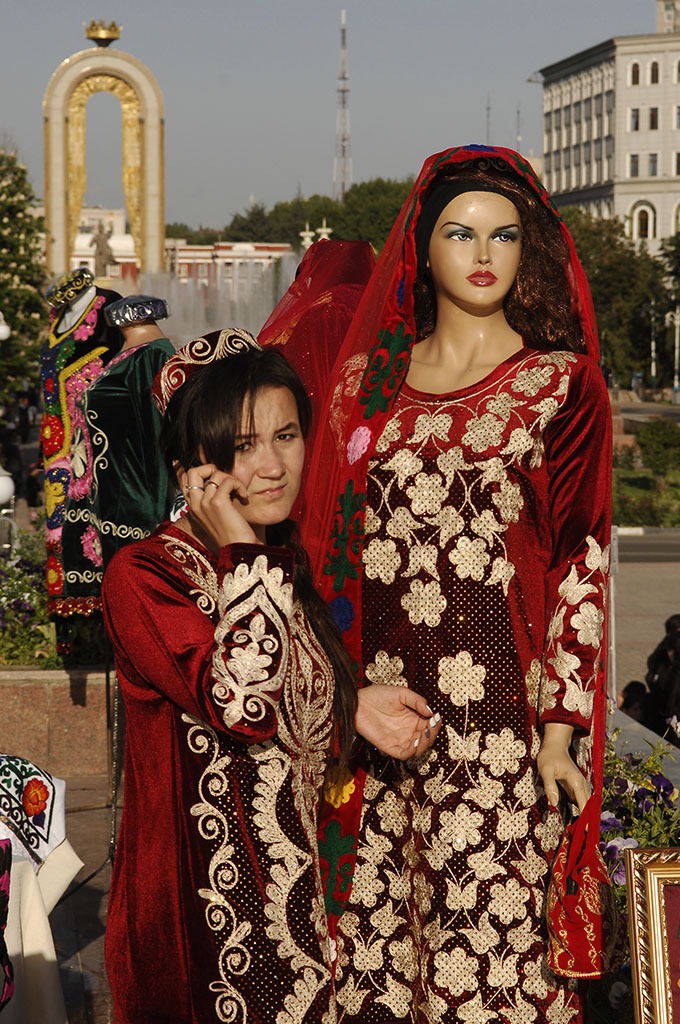
Recall, Chakan was inscribed on the UNESCO Representative List of the Intangible Cultural Heritage of Humanity last year.
The art of Chakan embroidery is the practice of sewing ornaments, images of flowers and symbolic drawings with colorful threads on cotton or silk fabrics. The tradition is widespread among women and girls in southern Tajikistan. Chakan embroidery is used to decorate clothing and household items such as women’s shirts, headscarves, curtains, pillows, bedspreads and coverlets for cradles. The embroidery features symbolic depictions and mythological images relating to the surrounding nature and cosmos, which express people’s wishes and hopes. The practice involves selecting the textile and threads, drawing ornaments, creating needlepoint images and sewing clothes.
In the past, the threads were prepared from cotton and silk fibers and colored with natural paints made with plants and minerals: nowadays, Chakan dressmakers use fabric threads for needlework. In the Khatlon province, the Chakan shirt is an important bridal dress. Grooms wear a ‘toqi’ (the national skullcap featuring Chakan embroidery), and Tajik women and girls wear the Chakan dress during traditional festivals and holidays. The embroidered products are an expression of beauty, elegance and the unity of humans and nature. The young generation learn the art from their mothers, grandmothers and older sisters, and transmission also occurs in groups through the so-called ‘ustod-shogird’ (master-student) method. Individual craftswomen sell their products in bazaars and through dress shops, providing an important way of earning.