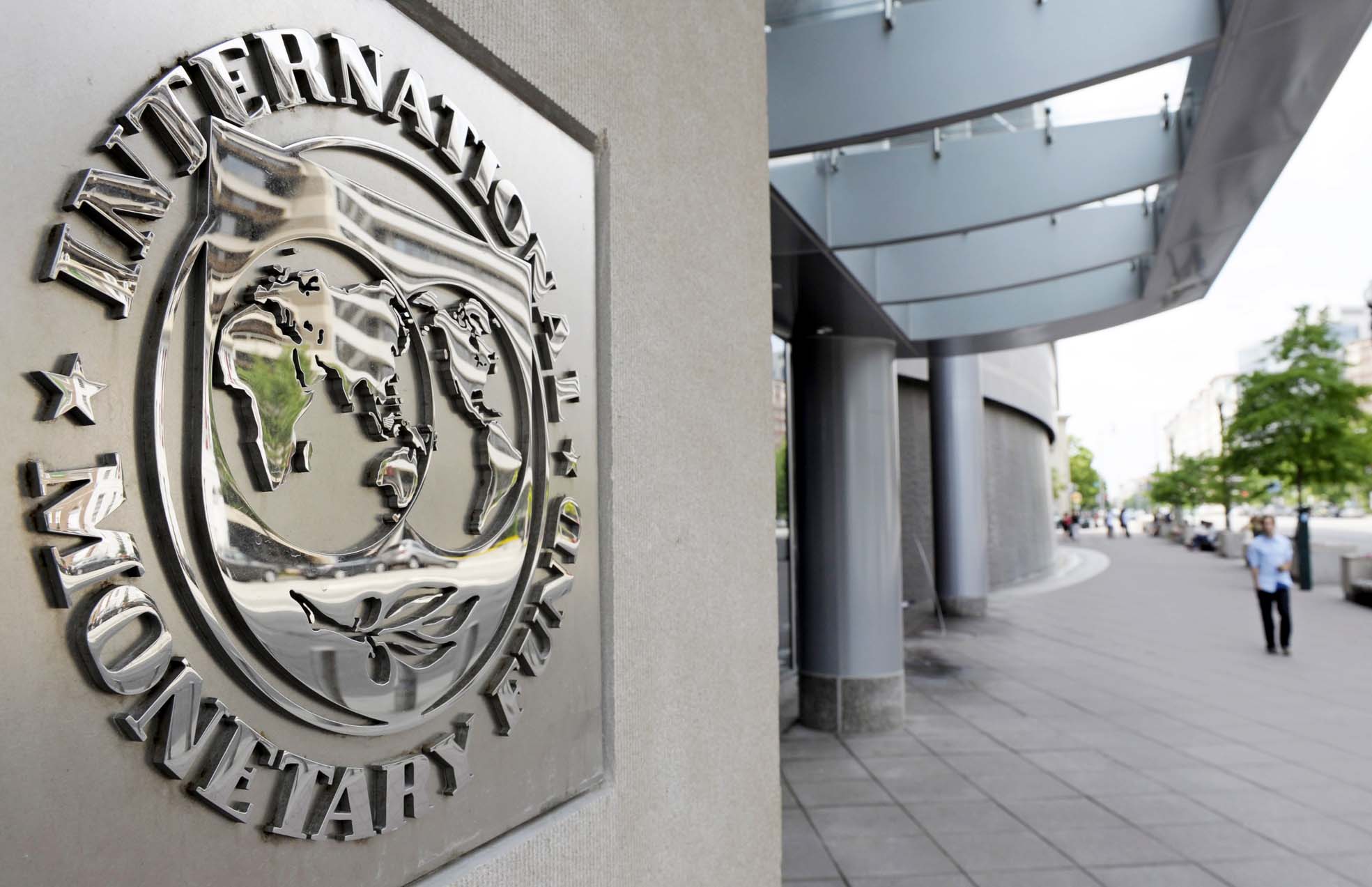
While the COVID-19 crisis is sending shockwaves around the globe, low-income developing countries (LIDCs) are in a particularly difficult position to respond, reads analytical material prepared by the International Monetary Fund (IMF). LIDCs have both been hit hard by external shocks and are suffering severe domestic contractions from the spread of the virus and the lockdown measures to contain it. At the same time, limited resources and weak institutions constrain the capacity of many LIDC governments to support their economies.
IMF analytics consider that absent a sustained international effort to support low-income developing countries, permanent scars are likely to harm development prospects.
According to the article, growth in LIDCs is likely to come to a standstill this year, compared to growth of 5 percent in 2019. Further, absent a sustained international effort to support them, permanent scars are likely to harm development prospects, exacerbate inequality, and threaten to wipe out a decade of progress reducing poverty.
The article notes that despite the best efforts of LIDC governments, lasting damage seems unavoidable in the absence of more international support.
Scarring has reportedly been the legacy of past pandemics: mortality; worse health and education outcomes that depress future earnings; the depletion of savings and assets that force firm closures—especially of small enterprises that lack access to credit—and cause irrecoverable production disruptions; and debt overhangs that depress lending to the private sector.
Scarring would trigger severe setbacks to LIDCs’ development efforts, including undoing the gains in reducing poverty over the last 7 to 10 years, and exacerbating inequality, including gender inequality.
The support of the international community is key to enable LIDCs to tackle the pandemic and recover strongly.
The COVID-19 pandemic will be defeated only when it and its socioeconomic consequences are overcome everywhere, according to the article. Urgent action by the international community can save lives and livelihoods in LIDCs.