Central Asia’s vast green energy potential is beginning to attract international investors.
Hydropower is the dominant renewable source in Central Asia. But hydropower can rouse cross-border tensions and it is also criticized for its environmental impact, according to Eurasianet.
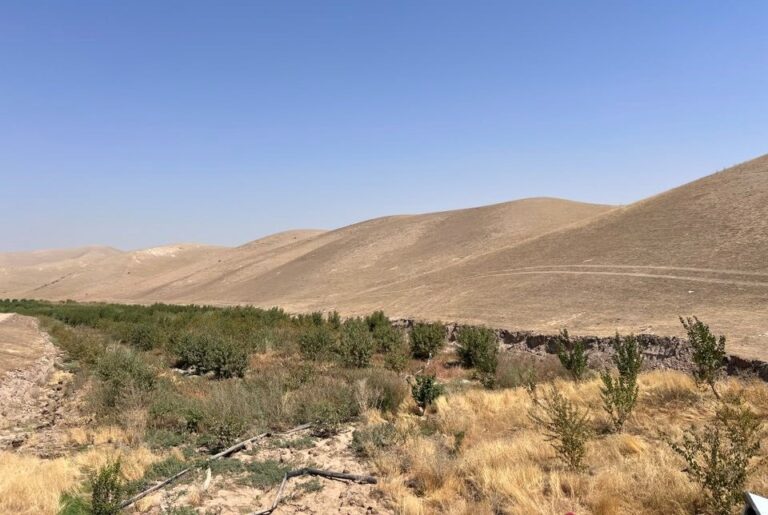
Another resource Central Asia has in abundance is sunshine. With the region’s ample free space, solar and wind appear an attractive way to ease outages, energy poverty, and emissions.
Citing Uzbek Energy Minister Alisher Sultanov, Eurasianet says Uzbekistan aims to grow the share of renewables, including hydropower, in its electricity generation to 25 percent by 2030, with an additional 5 gigawatts of solar, 1.9 GW of hydropower and 3 GW of wind.
Kazakhstan reportedly aims to reach 10 percent renewables by 2030 and 50 percent by 2050.
These are lofty goals, Eurasianet says, noting that renewable targets can be symbolic and hard to reach (there are doubts that Europe will meet its 2030 emissions targets, for example). And plenty of obstacles remain in Central Asia: weak governance, poor infrastructure, grand corruption that cripples economic development.
Reforms may also face political headwinds. Elite groups within resource-rich countries reportedly may fear the loss of leverage that rents from oil and gas provide.
Meanwhile, investors and developers from China, which is one of the biggest Central Asia’s trading partners, reportedly expect a stable and guaranteed cash flow that allows for risk reduction.
“Tax incentives, purchasing power agreements, and a strong electricity grid to “ensure that electricity produced can also be sold,” Christoph Nedopil Wang, director of the Green Belt and Road Initiative Center, told Eurasianet
So far, the involvement of international financial institutions like the EBRD has made it easier for foreign investors, such as those in China, to navigate Central Asia’s unfriendly friendly business climate, according to Eurasianet.
As for transmission, a 2020 report by the European Commission found that Central Asia’s “aging power grid severely affects the quality of power supply.”
Renewables would further test existing infrastructure. In emerging markets like Central Asia, transmission systems “are often not sufficiently flexible to allow for balancing the supply and demand of electricity, particularly with intermittent supplies from wind and solar,” said Nedopil Wang.
Before anyone rushes into green energy investments, they may first wish to modernize the grid.