An official exchange rate of the Russian ruble (RR) against the Tajik national currency, the somoni (TJS), continues rising in Tajikistan.
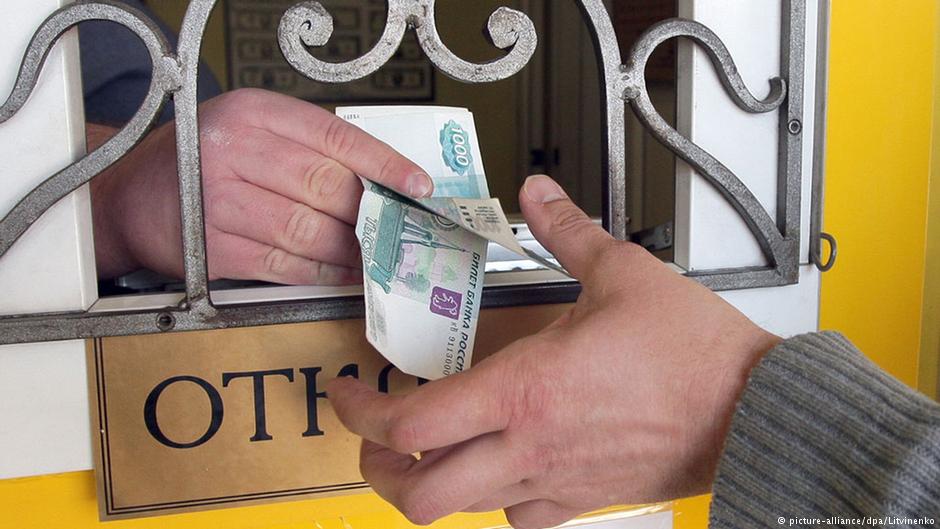
The official exchange rate of RR against TJS set by the National Bank of Tajikistan (NBT) on May 23 is1: 0.172 (almost 4-percet increase compared to May 20, when the exchange rate of RR against TJS was 1:0.166).
It is already the second such a record high reached by RR since late February this year. On April 11, the NBT set the exchange rate of RR against TJS at 1:0.171.5
Meanwhile, the exchange rate of the dollar (USD) against TJS has decreased over the reporting period — from 1:12.45 on May 20 to 1:12.10 on May 23.
The exchange rate of the euro against the somoni has also decreased over the same four-day period – from 1: 13.13 on May 10 to 1:12.78.
Tajik labor migrants working in Russia and their families are happy about rise in the exchange rate of the Russian ruble in Tajikistan.
The aim of Western sanctions imposed on Russia after it launched the so-called “special military operation” in Ukraine on February 24 was to hit the Russian currency, and the West did that through the central bank sanctions. Western sanctions had initially ravaged the Russian currency—but it has bounced back.
The Central Bank of Russia (CBR) implemented an emergency rate hike that took the country’s key interest rate from 9.5% to 20% in late February. The CBR has since been able to move the rate to 14% as the outlook for inflation and the currency improved.
Strict capital control measures from Russia’s central bank, which include ordering companies to convert 80% of their foreign currency revenues into rubles, have reportedly helped revive the ruble. The government also initially banned Russian citizens from transferring money abroad, and transfers are now limited to US$10,000 per month for individuals until the end of 2022.
Russia has also undertaken another measure to shore up its currency. The CBR resumed gold purchases on the domestic metals market after a two-year absence, in the hope of storing value to protect Russian wealth against inflation in the event of a further shock to foreign exchange liquidity.
Gold is traded in USD that enables the CBR to link the ruble to gold and set the floor price for the ruble in dollar terms. Further ruble rises could therefore increase the price of gold, and Russia has been accumulating the precious metal rapidly since its annexation of Crimea in 2014, now boasting the fifth-largest stockpile in the world.
Some experts consider that the Russian economy continues to recover from the initial shock in late February and early March.
For many analysts, however, Moscow’s actions to defend its currency are tantamount to manipulation, in that demand has been created that would not otherwise exist and capital controls have effectively turned the ruble into a “managed” currency.
Meanwhile, some experts note that the “superficial” economic indicators would mean little to those on the ground, where job security remains hazy for many Russians.
Elina Ribakova, deputy chief economist at the Institute of International Finance, told Grid News on May 12 that “Within this year, we will see the effect on Russian economy as companies start to run out of parts or equipment and have to start laying people off or putting them on unpaid leave.”