
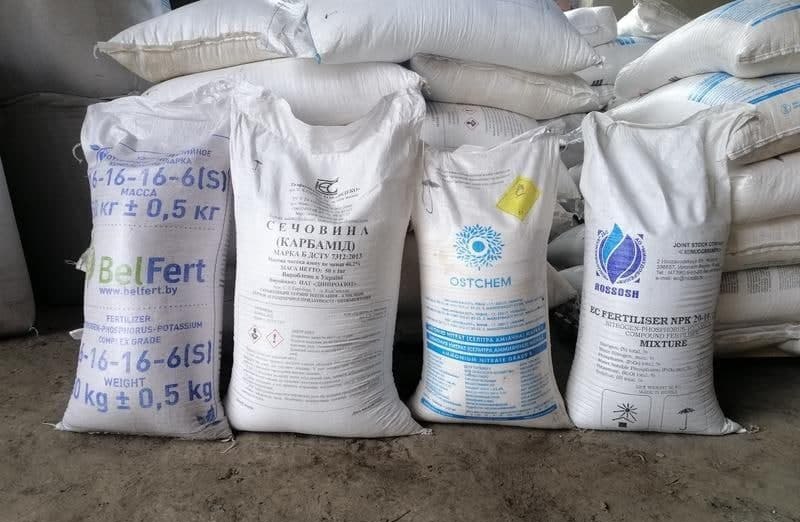
A report by the CIS Executive Committee of August 19, 2022, in particular, says fertilizers are expected to rise 70 percent in prices by the end of this year.
The report notes that Western sanctions police has dealt a double blow to the fertilizer market.
“Along with restrictions on their deliveries from Russia and Belarus, rising energy prices have also adversely affected the fertilizer prices,” reads the report.
According to the April 2022 edition of the World Bank’s Commodity Markets Outlook, fertilizer prices have risen nearly 30% since the start of 2022, following last year’s 80% surge. Soaring prices are reportedly driven by a confluence of factors, including surging input costs, supply disruptions caused by sanctions (Belarus and Russia), and export restrictions (China). The World Bank’s report says urea prices have surpassed their 2008 peaks, while phosphates and potash prices are inching closer to 2008 levels. Concerns around fertilizer affordability and availability have been amplified by the war in Ukraine.
Rising natural gas prices, especially in Europe, led to widespread production cutbacks in ammonia—an important input for nitrogen-based fertilizers. Similarly, soaring prices of coal in China, the main feedstock for ammonia production there, forced fertilizer factories to cut production, which contributed to the increase in urea prices. Higher prices of ammonia and sulfur have also driven up phosphate fertilizer prices.
The rise in prices for fertilizers will seriously affect agriculture in Tajikistan. Over the first six months of this year, Tajikistan has purchased more thanUS$35 million worth of about 104,000 tons of mineral fertilizers
Each kilogram of imported fertilizer cost suppliers 3.50 somonis (equivalent to approximately US$0.35 at the exchange rate on August 23, 2022), and in retail, fertilizers are sold at 10.00 somonis (equivalent to US$0.97) per kilogram.
The projected increase in prices for mineral fertilizers, accordingly, will lead to increase in the cost of grown products, which means that prices for grains, beans, vegetables and fruits can soar even higher.
Last year, Tajikistan purchased more than US$42 million worth of 198,000 tons of mineral fertilizers.
Each kilogram of them cost suppliers 2.25 somonis (equivalent to approximately US$0.22), and in retail, fertilizers were sold at 5.00 somonis (equivalent to US$0.22) per kilogram.
Tajikistan fertilizer exports include nitrogen fertilizers (about 95 percent), phosphate and potash fertilizers (1.0 percent), and compound fertilizers (little more than 4.0 percent).
Agriculture Minister Saadi Karimzoda told reporters in Dushanbe last month that Tajikistan’s current annual requirements in mineral fertilizers are 750,000 tons.
To meet the country’s requirement in mineral fertilizers, two fertilizer producing plants will be introduced into operation in Tajikistan in the near future, the Minister of Industry and New Technologies Sherali Kabir told reporters in Dushanbe recently.
One of them – Asia Chemical (formerly OJSC Azot) — is expected to be commissioned in the fall. The enterprise will produce 180,000 tons of nitrogen fertilizers, urea and saltpeter per year.
Another fertilizer plant is being built by TALCO Chemical. It will produce phosphate fertilizers, including superphosphate and nitrophosphate.
But so far, Tajikistan does not produce fertilizers. Fertilizers purchased abroad meet the country’s needs of only a quarter. As a result, Tajikistan lags far behind global indicators of average yields for many types of agricultural crop.
