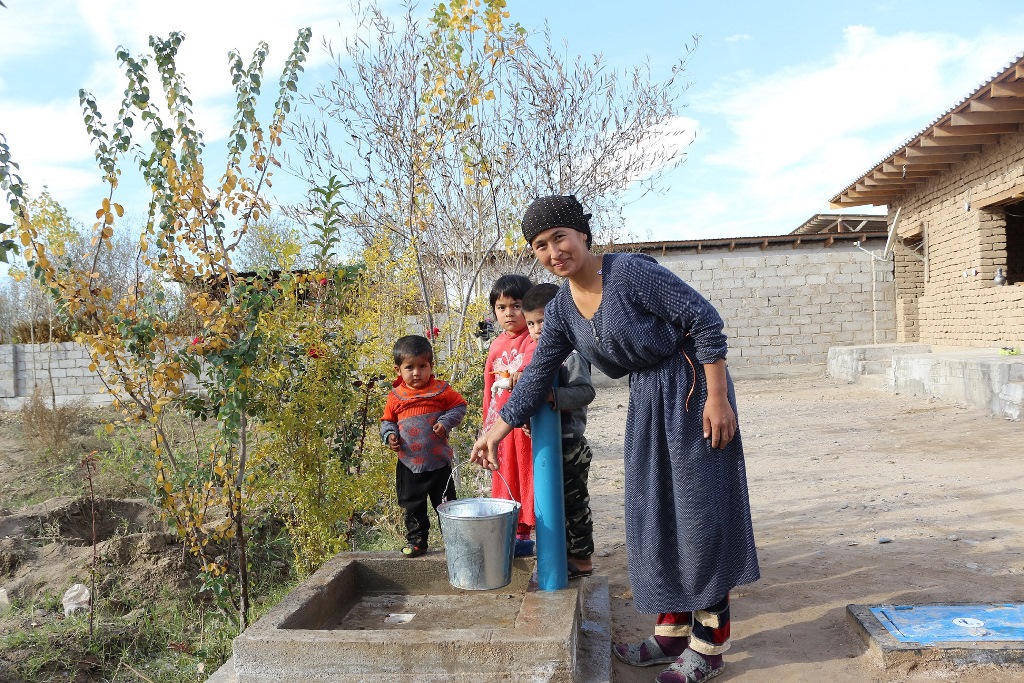
The United States Agency for International Development (USAID) and the Aga Khan Foundation (AKF), through the joint Thrive Tajikistan program, opened three new drinking water supply systems and two school latrines in Nosir- Khusrav district of Khatlon province.
The drinking water systems will provide clean, reliable water to almost 800 households (around 3,600 people), and the new school latrines will provide access to improved sanitation to more than 700 schoolchildren and teachers, says press release issued by the Aga Khan Development Network (AKDN) Resident Office in Tajikistan on November 25.
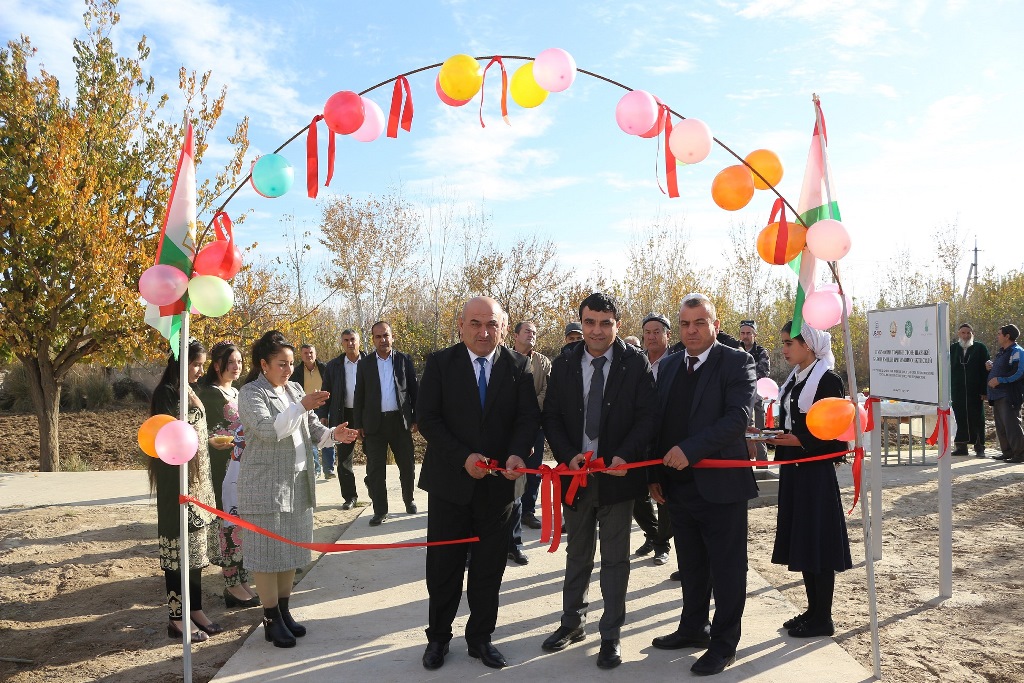
The southern districts of Tajikistan, including Nosir-Khusrav, form the breadbasket of Tajikistan. However, most villages in this region had been experiencing an acute shortage of drinking and irrigation water for decades, which has been a serious challenge to achieving the districts’ maximum productive capacity. USAID, in cooperation with AKF and the Aga Khan Agency for Habitat, worked closely with the local governance institutions and communities to tackle this water scarcity.
The five-year (2018-2023) Thrive Tajikistan: Partnership for Socio-Economic Development program expands the partnership between USAID and AKF to improve the quality of life for people in all 16 districts of Tajikistan along the country’s border with Afghanistan in Khatlon province and Gorno- Badakhshan Autonomous Region (GBAO).
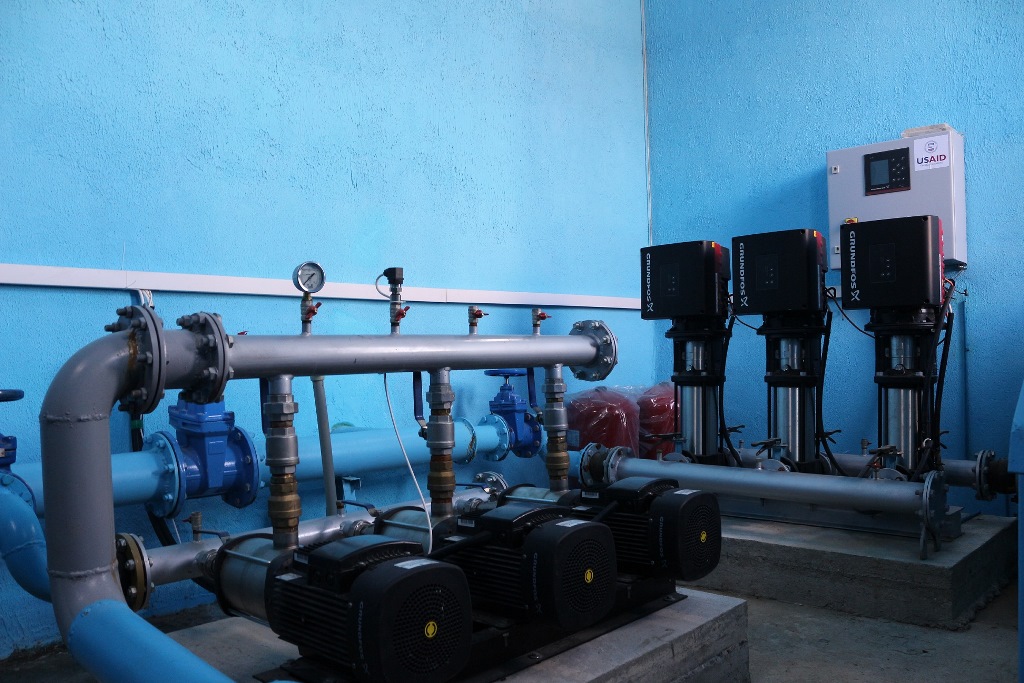
To date, Thrive Tajikistan has constructed 10 drinking water supply systems and nine school latrines in Farkhor, Hamadoni, Nosir-Khusrav, Panj, Qubodiyon, Roshtqala, and Shahritous districts that provide 26,357 people with access to clean drinking water and improved sanitation and hygiene services to 5,642 people. Before the construction, these people were consuming unsafe water from shallow wells, rivers, lakes, and canals, often resulting in waterborne diseases. Overall, the program will construct 14 water supply systems that serve more than 41,000 people and 14 school latrines for more than 8,000 schoolchildren and teachers.
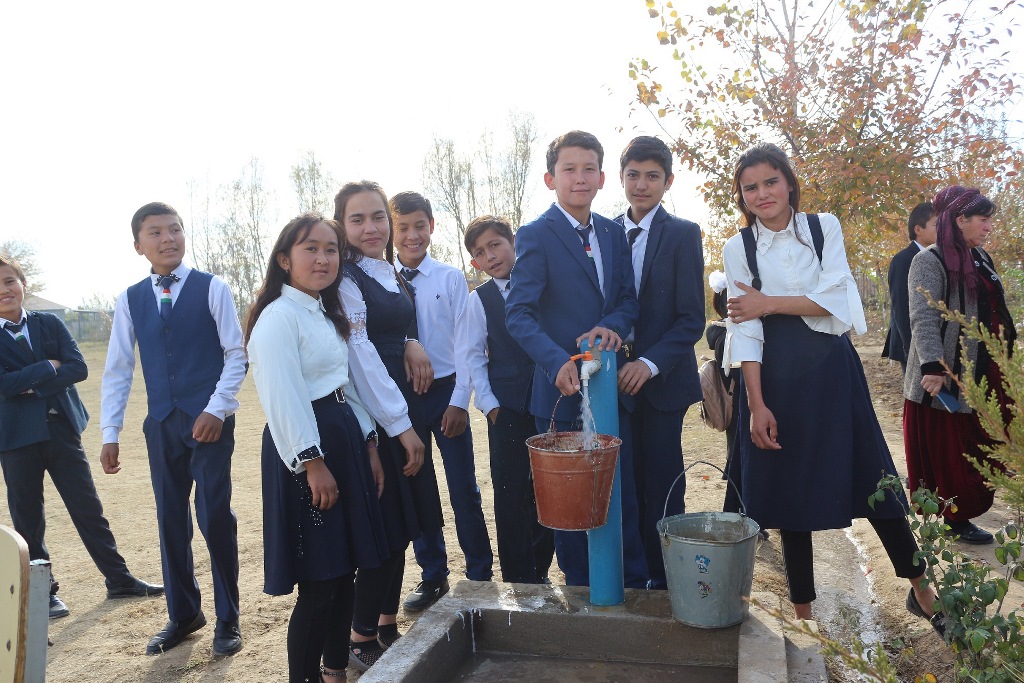
USAID is the world’s premier international development agency and a lead actor driving development results. Since 1993, USAID has partnered with the Government of Tajikistan to strengthen good governance, boost economic growth, improve education, health, food security, and bolster regional economic connectivity.
AKF partners with communities, nonprofits, businesses, governments, and local leaders to make long- term investments, build permanent institutions, and cultivate an active civil society with the aim to improve quality of life and break the cycle of poverty. AKF is a member of the Aga Khan Development Network, one of the world’s leading poverty solutions networks, established by His Highness the Aga Khan.
AKAH, which merges the capabilities of Focus Humanitarian Assistance, the Aga Khan Planning and Building Services, and the Aga Khan Development Network’s Disaster Risk Management Initiative, focuses on preparing for both sudden and slow-onset disasters and works on increasing safety, promoting resilience, facilitating service delivery, and creating enabling habitats. AKAH operates in Afghanistan, Pakistan, Tajikistan, the Kyrgyz Republic, and India.