On February 10, the inception workshop of the new project for the Rasht Valley was held in Dushanbe, according to the Aga Khan Development Network (AKDN) resident Office in Tajikistan.
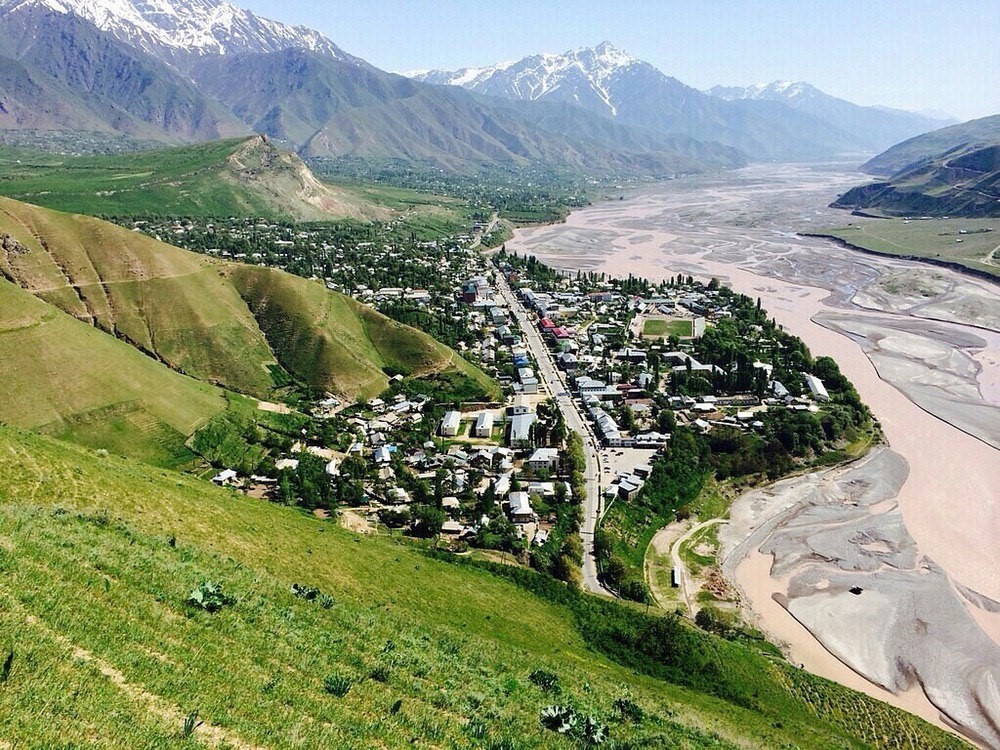
Rasht Valley is geographically situated in the northeastern part of the country and is prone to various natural hazards. Most people lack access to basic public services, such as safely managed water and adequate sanitation facilities. The depletion of natural resources is putting a strain on the livelihoods of communities that are mostly dependent on agriculture.
Recognizing these challenges, the Government of Switzerland and the Aga Khan Foundation (AKF) launched a five-year project titled “Improving community resilience through sustainable livelihoods in the Rasht Valley” (ICR). The project aspires that people enjoy an improved quality of life in resilient, prosperous and equitable communities which are governed on principles of good governance and social inclusion in: the Fayzobod, Nurobod and Sangvor districts and Roghun Town of Rasht Valley.
The inception workshop was chaired by Mr. Qurbonzoda Beg Khol, the First Deputy Chairman of the Local Development Committee under the President of the Republic of Tajikistan. Representatives from the lower chamber of parliament, government representatives, chairmen of four districts in the Rasht Valley and the national Government, the Resident, Resident Representative of Aga Khan Development Network (AKDN), the Swiss Cooperation Office, the heads of AKDN agencies, international development organizations, and Community-Based Organizations participated in the workshop.
The importance of the project was aptly summarized by Mr. Qurbonzoda Beg Khol, “The project in Roghun, Fayzobod, Nurobod and Sangvor in the Rasht region will target 32,000 people, 50% of whom are women. The project will allow citizens to benefit from basic services and improve their quality of life in the next five years”.
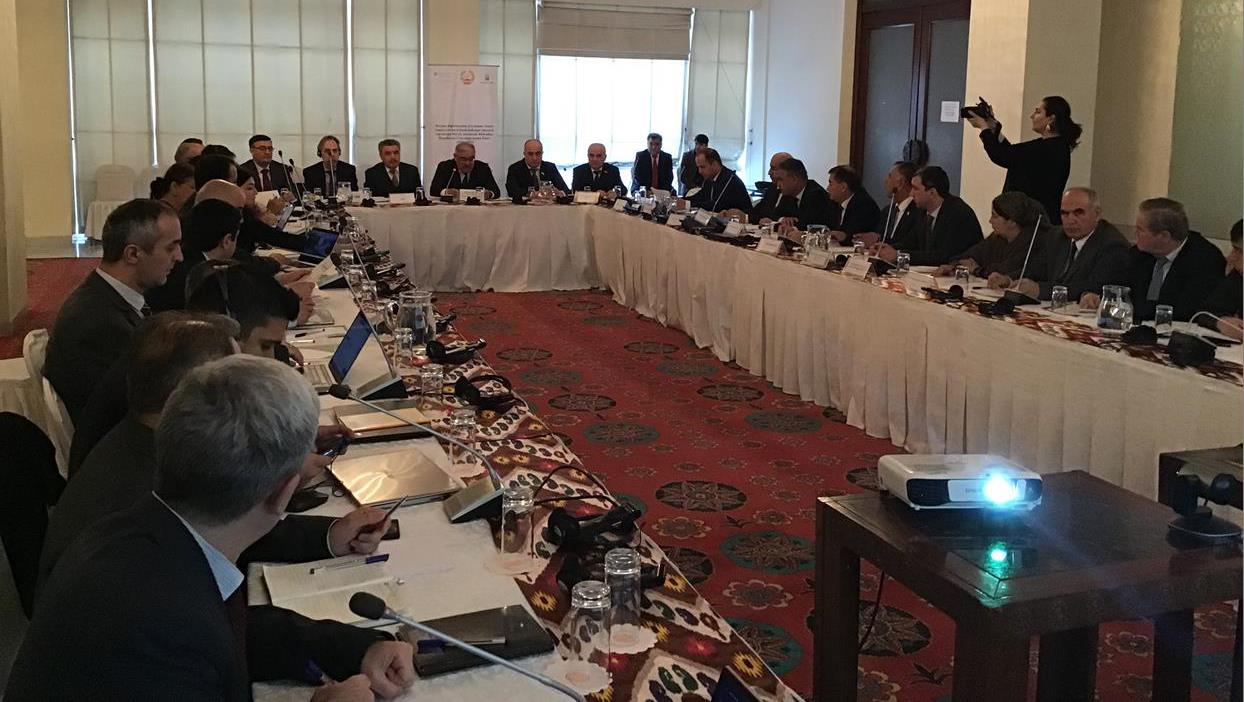
The project leverages the success of two phases of the Integrated Health and Habitat Improvement” (IHHI) projects that were implemented between 2013 and 2022 by AKDN agencies in the Rasht Valley. This was further articulated by Mr. Richard Chenevard, the Deputy Director of the Swiss Cooperation Office, “Among the many lessons we learnt from our previous project, there is one I would like to underline: the quality of the results depends on the support it receives from the communities and from the authorities. Let's walk this journey together”.
Mr. Qozidavlat Qoimdodov, Resident Representative of AKDN stressed the commitment of AKDN towards this project and the importance of its implementation by saying: “Today’s meeting is dedicated to the ‘Improving community resilience through sustainable livelihoods in the Rasht Valley’ Project as an auspicious format for presenting and expanding constructive and ongoing implementation initiatives programs between local authorities and development partners”.
The project will be executed in close collaboration with the relevant government ministries, committees, and agencies through the Aga Khan Foundation (AKF), Aga Khan Agency for Habitat (AKAH), Mountain Societies Development Support Programme (MSDSP), and Accelerate Prosperity (AP).