An extended 45th session of the UNESCO World Heritage Committee is being held in Riyadh, Saudi Arabia from September 10 to September 25.
The Tajik MFA information department says Tajikistan’s Tugay forests of the Tigrovaya Balka (Tiger Gully) Nature Reserve have been inscribed on the UNESCO World Heritage List (WHL).
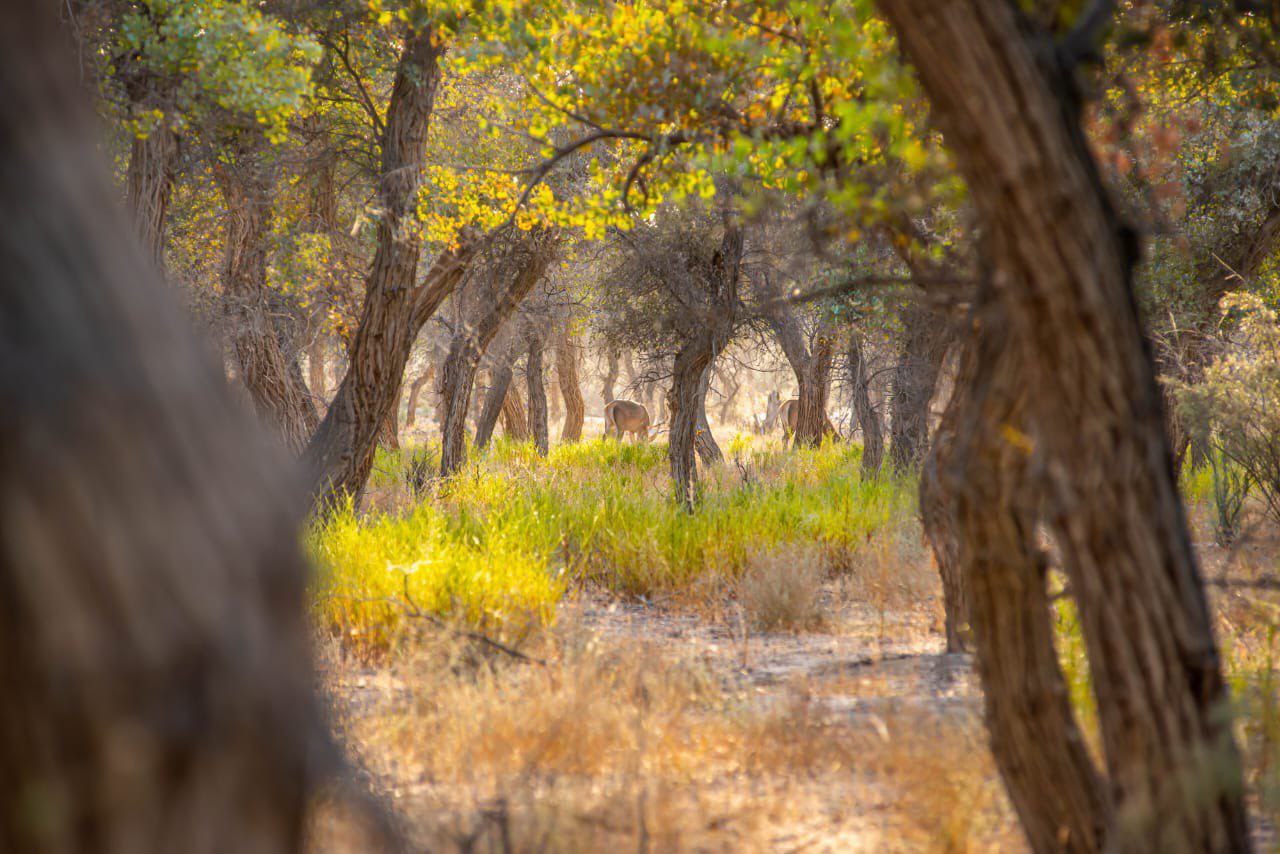
Based on an assessment carried out the International Council on Monuments and Sites (ICOMOS), the Tugay forests of the Tigrovaya Balka Nature Reserve were reportedly recommended for inscription of the UNESCO World Heritage List.
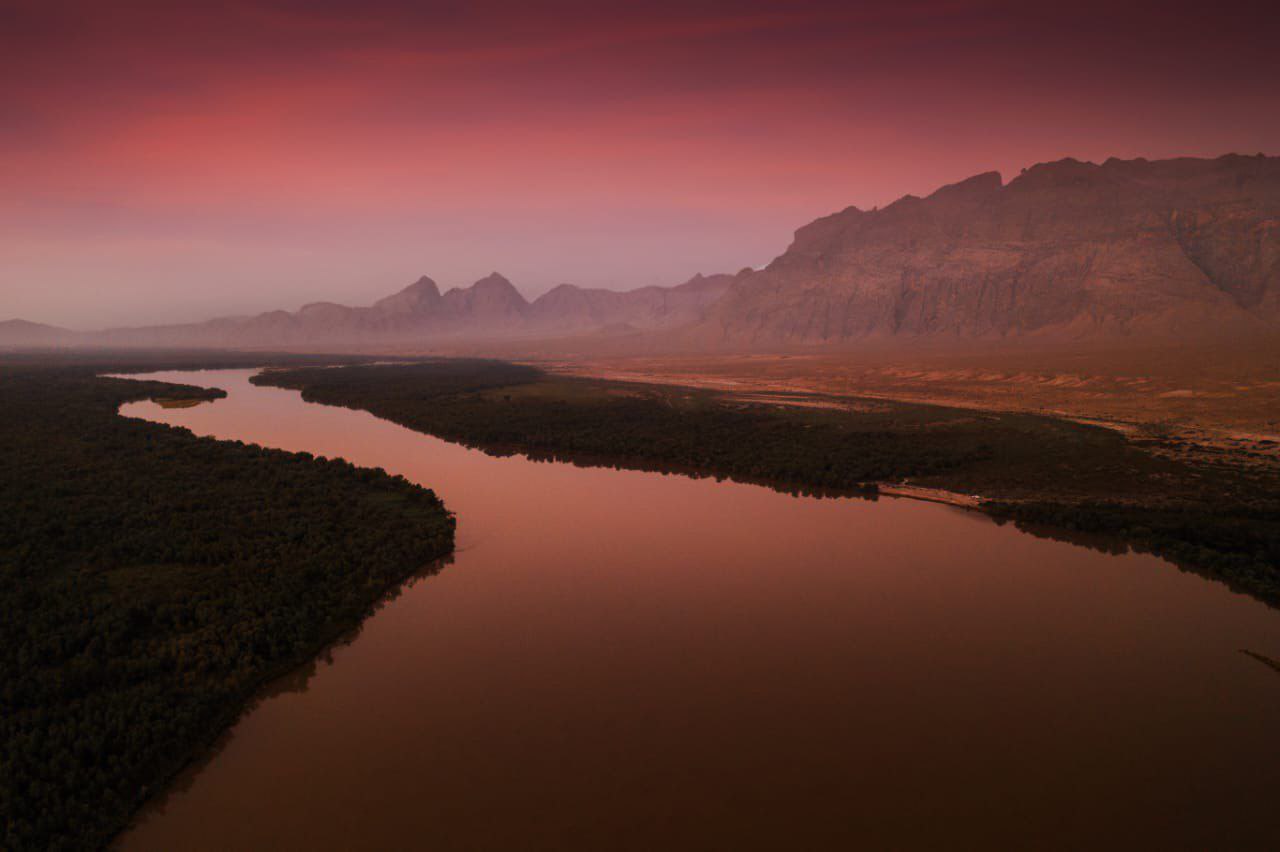
This property is located between the Vakhsh and Panj rivers in southwestern Tajikistan. The Reserve includes extensive riparian Tugay ecosystems, the sandy Kashka-Kum desert, the Buritau peak, as well as the Hodja-Kaziyon mountains.
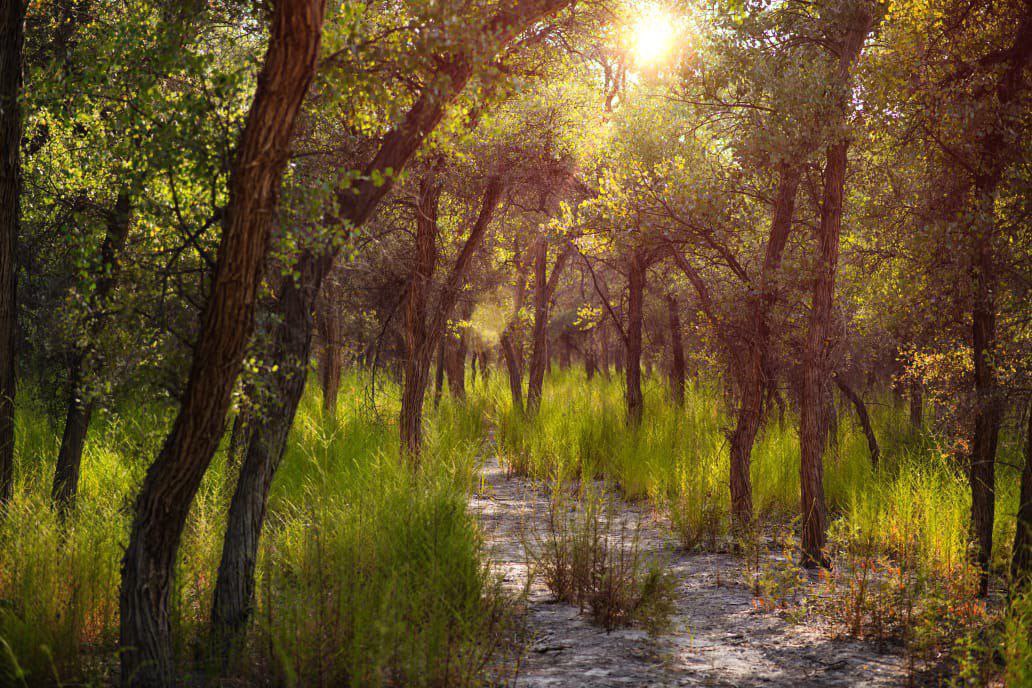
The property is composed of a series of floodplain terraces covered by alluvial soils, comprising Tugay riverine forests with very specific biodiversity in the valley. The Tugay forests in the reserve represent the largest and most intact Tugay forest of this type in Central Asia, and this is the only place in the world where the Asiatic poplar Tugay ecosystem has been preserved in its original state over an area of this size.
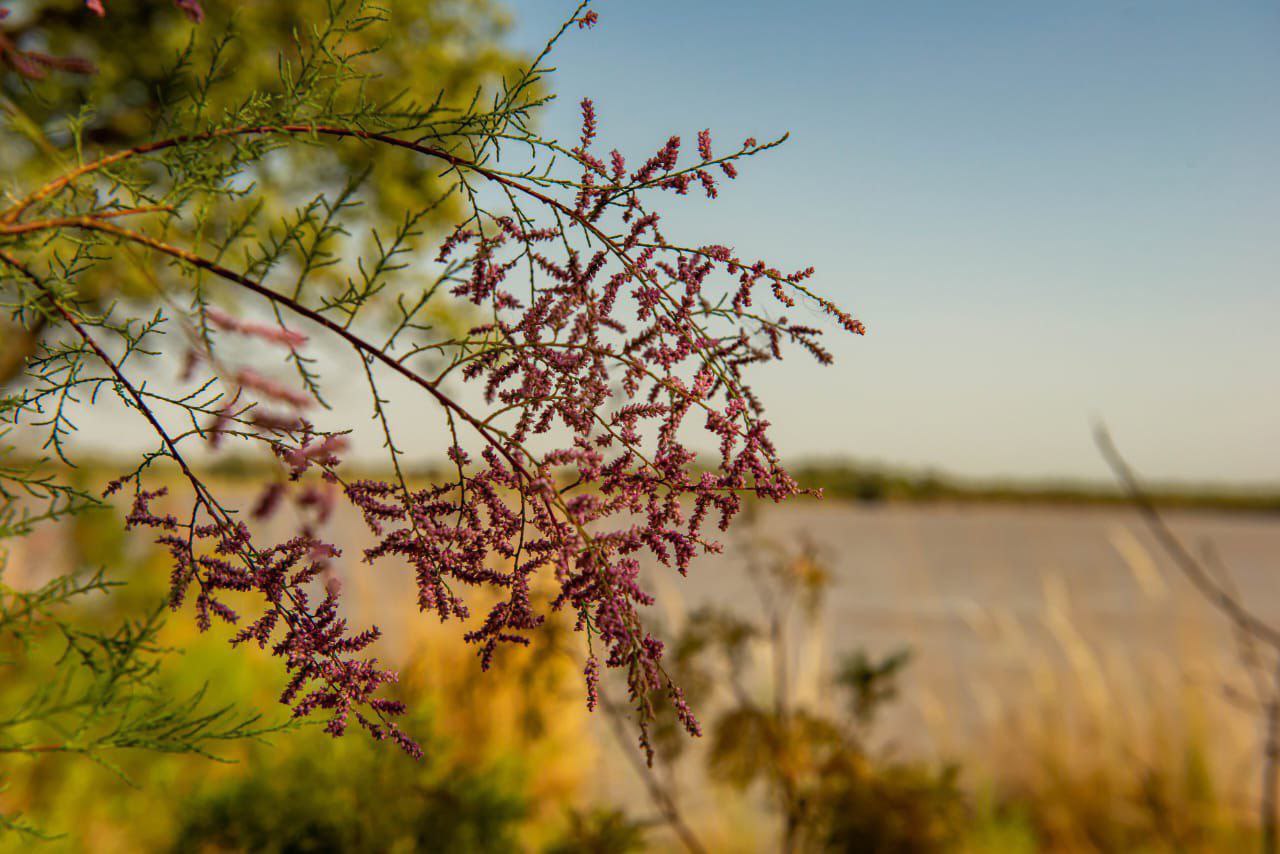
Tugay is a form of riparian forest or woodland associated with fluvial and floodplain areas in arid climates. These wetlands are subject to periodic inundation, and largely dependent on floods and groundwater rather than directly from rainfall. Tugay habitats occur in semi-arid and desert climates in Central Asia.
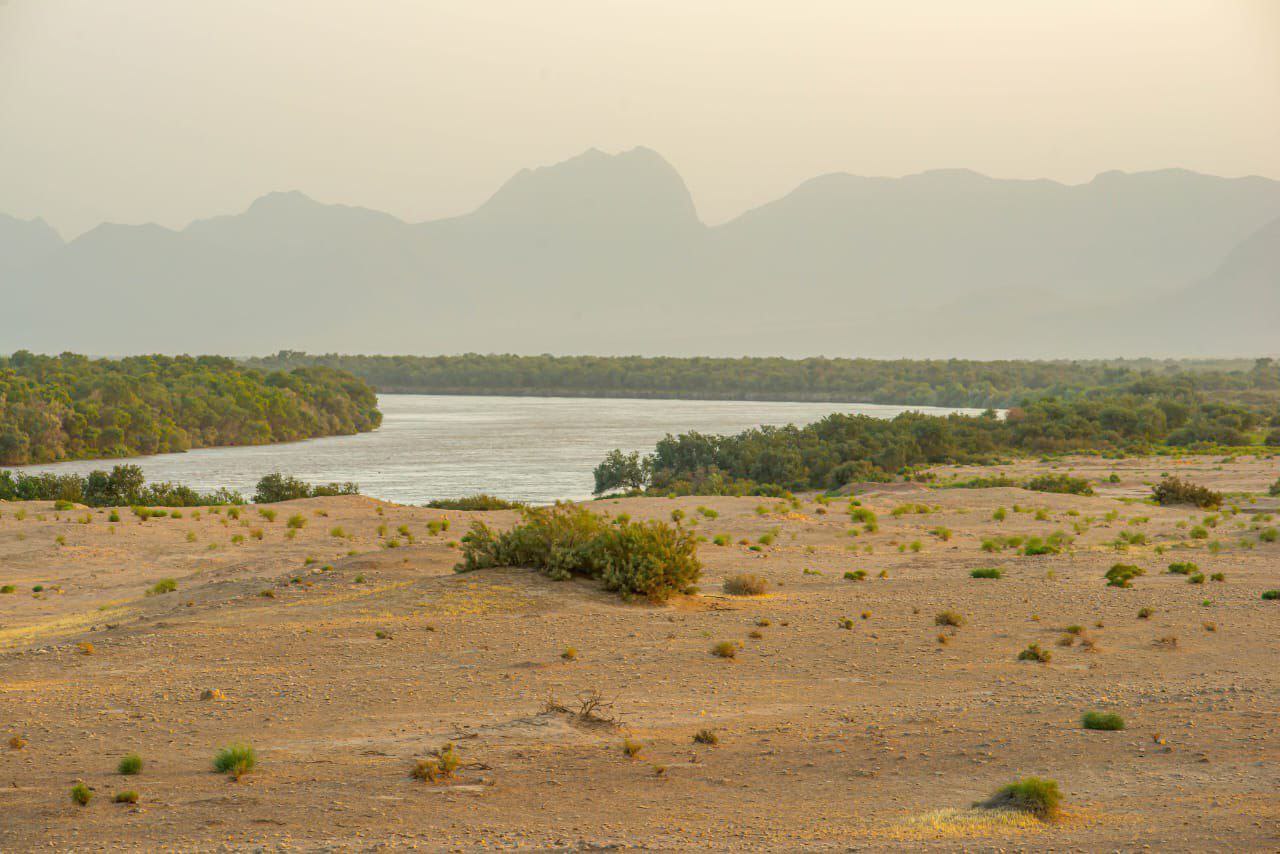
Because Tugay habitat is usually linear, following the courses of rivers in arid landscapes, Tugay communities often function as wildlife corridors. They have disappeared or become fragmented over much of their former range.