An article by Eric Revell posted on FOXBusiness says conflict in the Middle East may create new risks to the global economic outlook, leaving central bankers facing renewed inflationary pressures even as they continue to deal with the economic fallout of the COVID pandemic and Russia’s invasion of Ukraine a year ago.
Hamas militants struck Israel over the weekend, killing at least 700 in the deadliest attacks the country has experienced in decades. Israel’s government has launched airstrikes on the Hamas-controlled Gaza Strip and is mobilizing military reservists in preparation for a response, while Hezbollah military organization based in Lebanon – has reportedly expressed support for Hamas and remains a threat on Israel’s northern border.
Fox Business notes that the prospect of broader conflict in the Middle East could add to the global instability sparked by the so-called “special military operation” launched by Russia in Ukraine nearly 20 months ago, disrupting supply chains and dragging down economic confidence around the world.
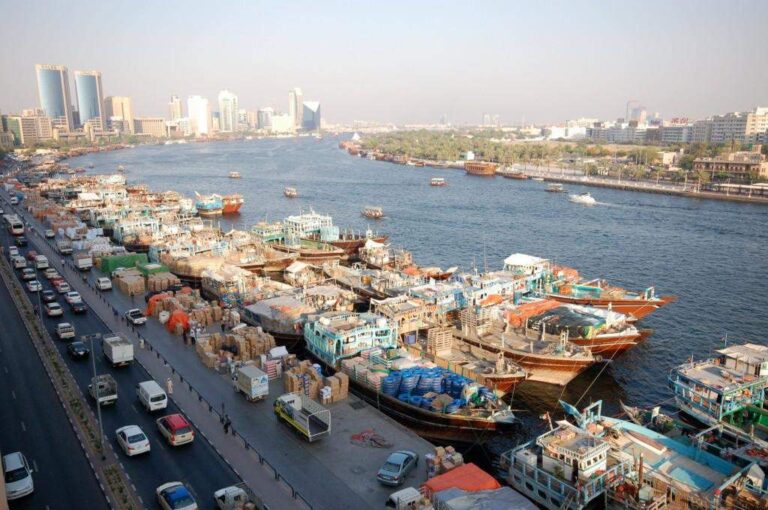
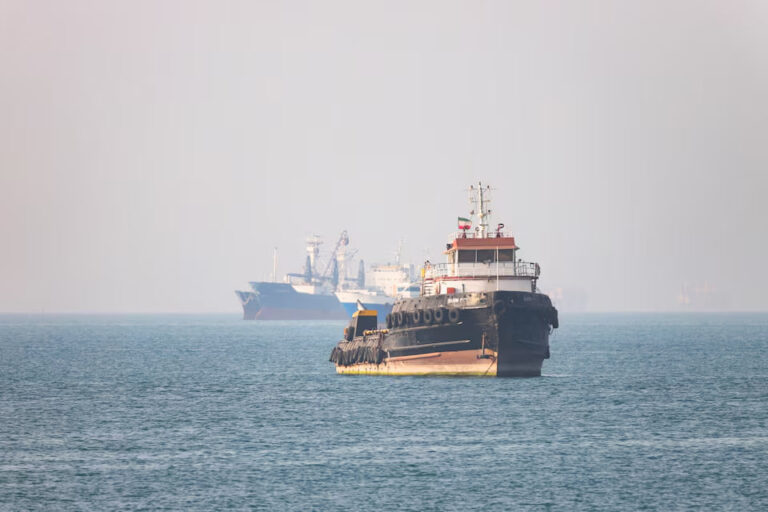
The author says the impact would depend on the duration and intensity of the conflict, as well as whether it spreads to other parts of the region – which is home to major oil producers like Iran and Saudi Arabia plus major shipping lanes that run through chokepoints at the Strait of Hormuz, Bab-el-Mandeb, and Suez Canal.
The conflict reportedly poses a risk of higher oil prices, and risks to both inflation and the growth outlook.
Higher oil prices in particular could dim economic confidence with resurgent inflation in energy prices paid by consumers at the pump.
While falling interest rates can serve as a warning sign for a rise in inflation by encouraging consumers and businesses to borrow and spend more, the context of a new regional war in the Middle East reportedly could cause markets to draw a different conclusion in this case.