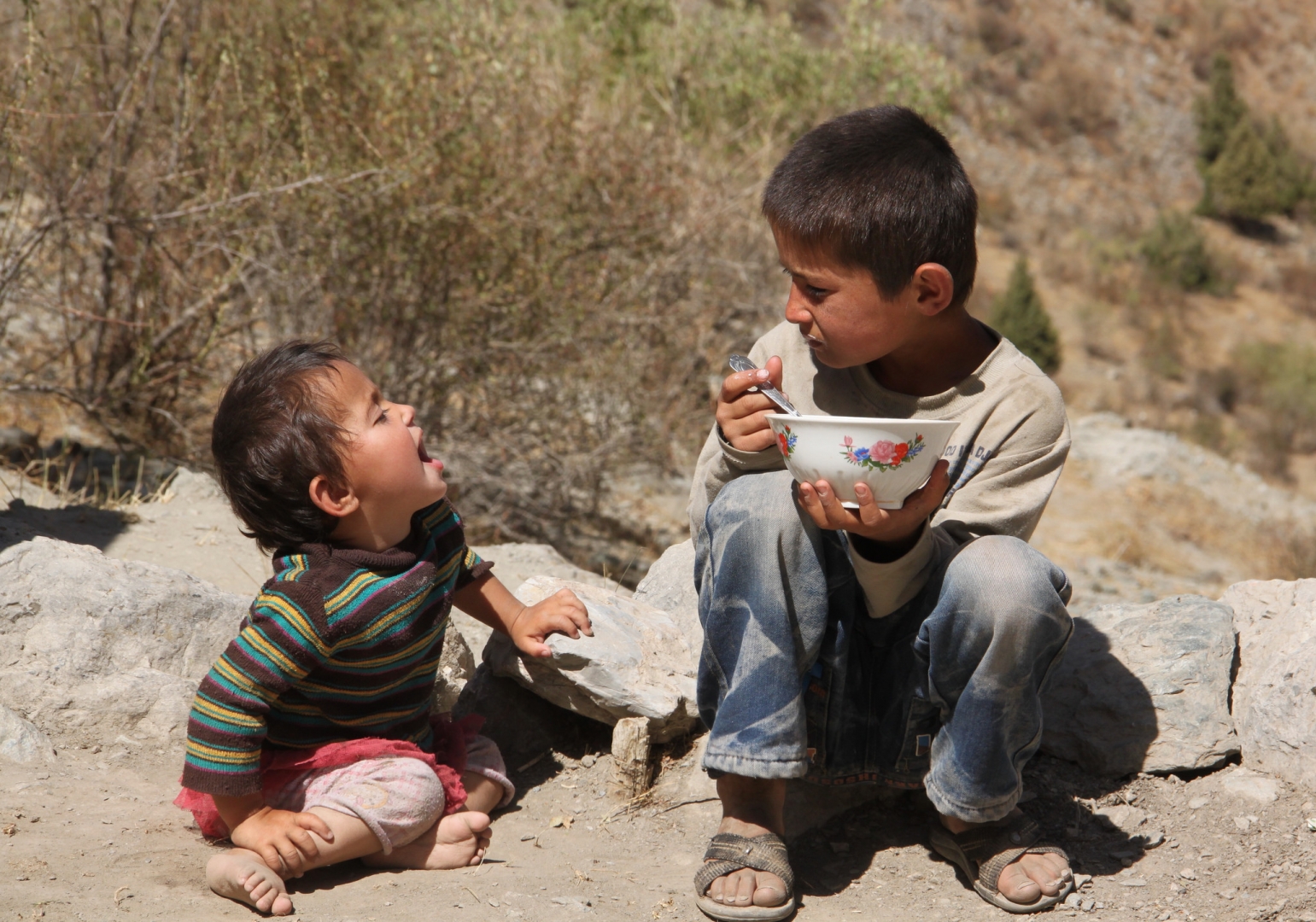
A new UNICEF report, which was released on June 6, reveals that more than 431,000 children under five years of age in Tajikistan are experiencing severe child food poverty, making them up to 50 percent more likely to suffer from wasting, a life-threatening form of malnutrition.
Child Food Poverty: Nutrition Deprivation in Early Childhood analyzes the impacts and causes of dietary deprivation among the world’s children in nearly 100 countries, and across income groups.
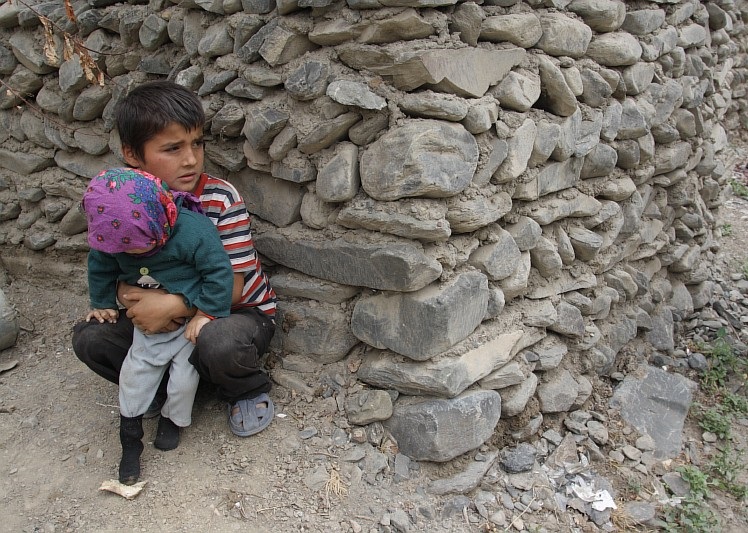
The report finds that 1 in 3 children under the age of five in Tajikistan is experiencing severe food poverty, meaning they are unable to access and consume a nutritious and diverse diet to sustain optimal growth and development in early childhood and beyond. This is above the global average of 1 in 4 children.
Children who consume, at most, two of eight defined food groups are considered to be in severe child food poverty.
“No child should be denied their right to good food and nutrition. Yet, growing inequities, conflict, climate crises and rising food prices – combined with the overabundance of unhealthy foods, harmful food marketing strategies and poor child feeding practices – are condemning close to half a million children in Tajikistan to severe child food poverty in early childhood, making them more likely to suffer from life-threatening forms of child malnutrition(wasting) and threatening children’s growth and brain development,” said Eri Dwivedi, Deputy Representative of UNICEF in Tajikistan. “UNICEF calls for urgent action to transform the food, health, and social protection systems to enable children to access diverse and nutritious diets so they can grow, develop and learn to their full potential.”
The report warns that while countries are still recovering from the socio-economic impacts of the COVID-19 pandemic, the effects of growing inequities, conflicts, and the climate crisis have pushed food prices and the cost of living to record high levels.
Several factors are fueling the child food poverty crisis globally, including food systems that fail to provide children with nutritious, safe and accessible options, families’ inability to afford nutritious foods, and parent’s inability to adopt and sustain positive child feeding practices.
In many countries globally, cheap, nutrient-poor and unhealthy ultra-processed foods and sugar-sweetened beverages are aggressively marketed to parents and families. These unhealthy foods and beverages are consumed by an alarming proportion of young children experiencing food poverty, displacing more nutritious and healthier foods from their daily diets.
To end child food poverty, UNICEF calls on governments, development and humanitarian organizations, donors, civil society and the food and beverage industry to urgently: 1) transform food systems so that nutritious, diverse and healthy foods are the most accessible, affordable and desirable option for caregivers to feed young children; 2) leverage health systems to deliver essential nutrition services to prevent and treat malnutrition in early childhood, including support for community health and nutrition workers to counsel parents and families on child feeding and care practices; and 3) strengthen integrated social protection system to address income poverty through social transfers (cash, food and vouchers), in ways that are responsive to the food and nutrition needs of vulnerable children and their families.
To accelerate actions to prevent, detect and treat severe child food poverty and malnutrition, the Child Nutrition Fund (CNF) was launched last year by UNICEF, with the support of the UK Foreign Commonwealth and Development Office (FCDO), the Bill and Melinda Gates Foundation, and the Children’s Investment Fund Foundation (CIFF). The CNF is a UNICEF-led multi-partner financing mechanism that incentivizes domestic investments to end child malnutrition. UNICEF urges governments, donors and financial partners to support the CNF and prioritize sustainable policies and practices to end severe child food poverty and malnutrition.