International financial organizations (IFIs), when providing assistance to countries in need, usually put forward recommendations aimed at maintaining financial and economic stability. However, for one reason or another, not all of them are fulfilled. We have collected the most relevant recommendations from the development partners of the Government of Tajikistan, which remain unfulfilled.
Down with the benefits
Over the past decades, IFIs have repeatedly called on the Government of Tajikistan to abandon the widespread practice of providing tax benefits to one, thus creating equal conditions of competition for all.
Such calls regularly come from the International Monetary Fund, as well as the World Bank. Thus, representatives of the IMF, following the results of their mission to the Republic of Tajikistan at the beginning of last year, advised the government to completely abandon tax benefits in order to increase budget financing of such important sectors as health, education and social protection of the population.
In their latest Report on the economy of Tajikistan (summer 2024), World Bank experts once again noted that tax incentives "contribute to the distortion of market processes and hinder fair competition."
The authors of the publication emphasized that in 2022, the monetary amount of all tax and customs benefits provided to commercial organizations amounted to 12.7 billion somoni, which is equal to 10.9% of GDP.
According to the Tax Committee, in 2023, the total amount of domestic tax benefits amounted to 6.1 billion somoni (more than $550 million), which is equal to 34.3% of last year's total budget revenues (17.3 billion somoni).
The management of the tax department believes that there are many benefits, but they are needed at this stage of the country's economic development.
"It will not work without benefits at the moment, as they stimulate development. But in the future, they will need to be streamlined in stages," – said Nusratullo Davlatzoda, head of the Tax Committee, at a press conference in February this year.
He noted that benefits in accordance with the current Tax Code cannot be of an individual nature: they are provided to priority industries for a period of no more than 5 years and should not exceed 50% of the tax rate.
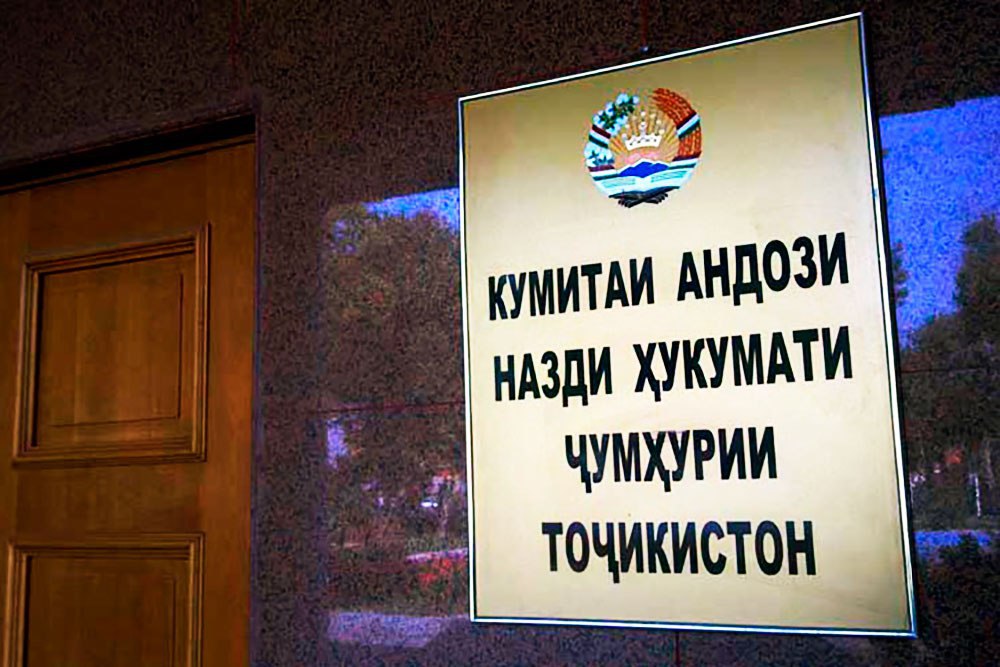
These standards, when developing the Tax Code in force from January 1, 2022, were introduced on the proposals of the development partners of the Government of Tajikistan, who provided support during the preparation of the draft law.
In the previous Code, there were no such restrictions, benefits could be provided to any taxpayer without any limits.
Many independent experts also oppose the widespread practice of providing tax benefits in the country, justifying their position by saying that the fiscal system is becoming less fair, since some people pay less than others with the same income because of benefits.
Some experts even oppose benefits by sector and industry, believing that they encourage entrepreneurs to engage in the wrong business that they know well and would like to do under a neutral tax regime. And ordinary entrepreneurs claim that not every mortal is allowed to access preferential markets.
Business is for private owners
Back in the noughties, IFIs called on the government to restructure and privatize large state-owned enterprises.
Since then, only some of them have been restructured, for example, the former SUAE “Tajik Air” and OJSHC “Barqi Tojik”. However, the full blocks of shares of the joint stock companies created on the basis of these corporations still belong to the government.
After the State-owned savings bank “Amonatbank” became the largest credit institution in the country, the IFIs proposed to the government to restructure it and transfer it into private hands.
In November 2022, the Managing Director of the European Bank for Reconstruction and Development (EBRD) for Central Asia and Mongolia, Zsuzsanna Hargitai, commented on this “Asia-Plus” proposal as follows: "We believe that the backbone and one of the largest banks in the country, “Amonatbank”, can further transform itself to become more resilient to external and internal challenges."
She noted that “Amonatbank” could strengthen its institutional capacity through special EBRD technical assistance programs and thus contribute to the continuous improvement of the local banking sector, allowing it to transform in accordance with the requirements of a market economy and healthy competition.
In February 2023, the government adopted a resolution, according to which SSB "Amonatbank" was renamed into the State Unitary Enterprise "Savings Bank of the Republic of Tajikistan "Amonatbank". The need for such a decision was explained by "ensuring control and transparency of the financial and economic activities of the enterprise."
It should be noted that a unitary enterprise is a form of management in which a commercial organization does not have ownership rights to the property assigned to it by the owner. The owner of “Amonatbank” is the Government of the Republic of Tajikistan.
According to the World Bank, more than 1,000 state-owned enterprises (SOEs) are currently registered in Tajikistan, of which 600 are majority owned by the state.
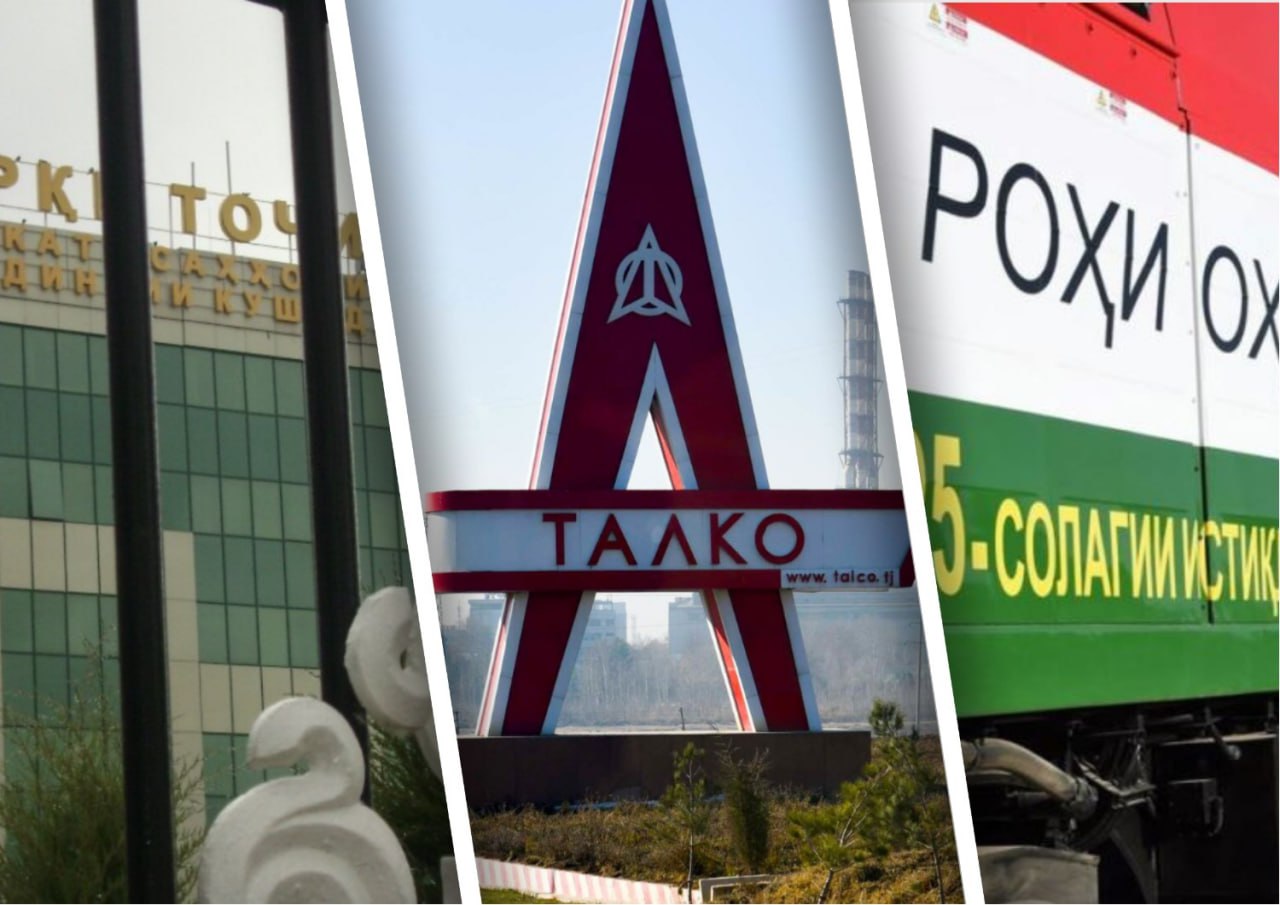
"Most large SOEs are unprofitable, which creates significant fiscal risks for the country's financial stability: the combined net loss of the 25 largest SOEs in 2023 amounted to almost 4.2 billion somoni (3.2% of GDP)," – emphasizes the World Bank report on the economy of the Republic of Tajikistan.
The list of the largest debtors is headed by JSC “Barqi Tojik”. The total debt of the department, including loans for energy projects, exceeds 37.4 billion somoni (about $3.4 billion).
The next in the list of major debtors is JSC “Rogun HPP” with 9.3 billion somoni (about $850 million) of debt.
Among other notable debtors in the World Bank report are JSC “Tajik Aluminum Company”, SUE “Tajik Railways” and JSC “Tajiktransgaz”, whose total debt at the end of 2023 amounted to 2.3 billion somoni (about $210 million).
Rogun – investments
The World Bank and the IMF recommended that the Government of Tajikistan reduce budget funding for the Rogun project so that spending on health, education, and social assistance is not limited.
Thus, the World Bank's Review of government Spending in the Republic of Tajikistan, which was published in November 2022, states that in the medium term, financing needs for the “Rogun HPP” will be the biggest source of pressure on public finances.
"According to the current financing model, the implementation of this project depends entirely on regular funding from the state budget. The costs of the “Rogun HPP” force the state to reduce the amount of necessary social spending, endanger macroeconomic stability and exacerbate the risk of a debt crisis," it says.
The authors of the Review advised reducing the costs of this project to the level "necessary to ensure debt sustainability, which will allow the state to provide the released resources for physical investment and investment in human capital."
Prior to this, IMF experts warned that the budget deficit in the medium term would remain high due to the implementation of a major project for the construction of the “Rogun HPP”, which would lead to an unsustainable increase in debt.
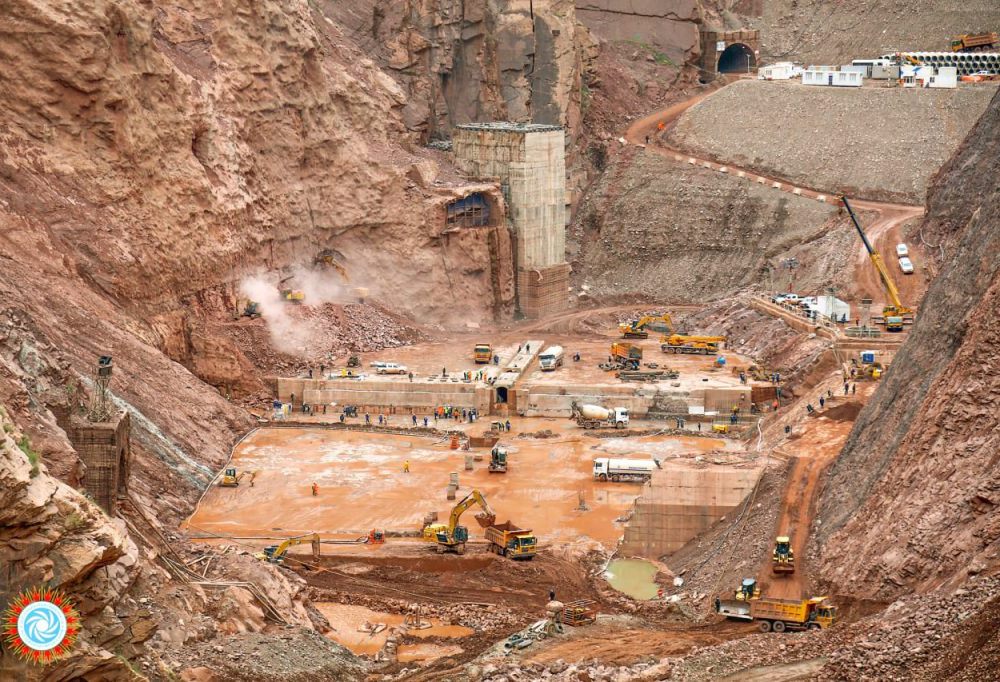
Earlier this year, the Ministry of Finance announced that the government of the country in 2024 plans to allocate 5 billion somoni ($456 million) to finance the station, of which 2.2 billion is due to attracting external financing, and the remainder is due to internal sources.
According to the Ministry of Energy, $1 billion should be allocated annually to “Rogun”, and in general, $6.2 billion will be required for the full implementation of the project.
The latest message from the President of the country says that since 2008, more than 40 billion somoni have been allocated to this facility.
Support for migrants
The Asian Development Bank recommended that the Tajik authorities support their migrants and not be indifferent to their fate.
"The Government of Tajikistan should be engaged in regulating the outflow of migrant workers, ensuring their safety and well-being, as well as protecting their rights in the host countries," – says the ADB report on support for Tajik migrants published in December 2020. The authorities were advised to take advantage of the effective practice of supporting migrant workers that exists in other Asian countries.
The authors of the report noted that labor migration is the main driver of stable poverty reduction and economic progress in Tajikistan: it reduces the unemployment rate and contributes to the inflow of foreign currency.
The publication highlights the numerous problems faced by migrants in a foreign country. In particular, it is said that most of them, due to low qualifications and legal illiteracy, as well as hopelessness, are ready to accept any working conditions.
"Such conditions lead to labor exploitation by employers, abuse by the police and extortion by criminals," the authors of the report believe.
It also highlights the xenophobic mood in Russia, which migrants talk about upon returning to their homeland. It is indicated that the majority of migrants live and work in extreme poverty and harsh conditions in overcrowded apartments to save money, which affects their health.
ADB experts recommended that the Government of Tajikistan work closely with the Governments of the destination countries to solve the existing problems. The authorities are also advised to find new labor markets abroad and create employment opportunities outside the CIS.
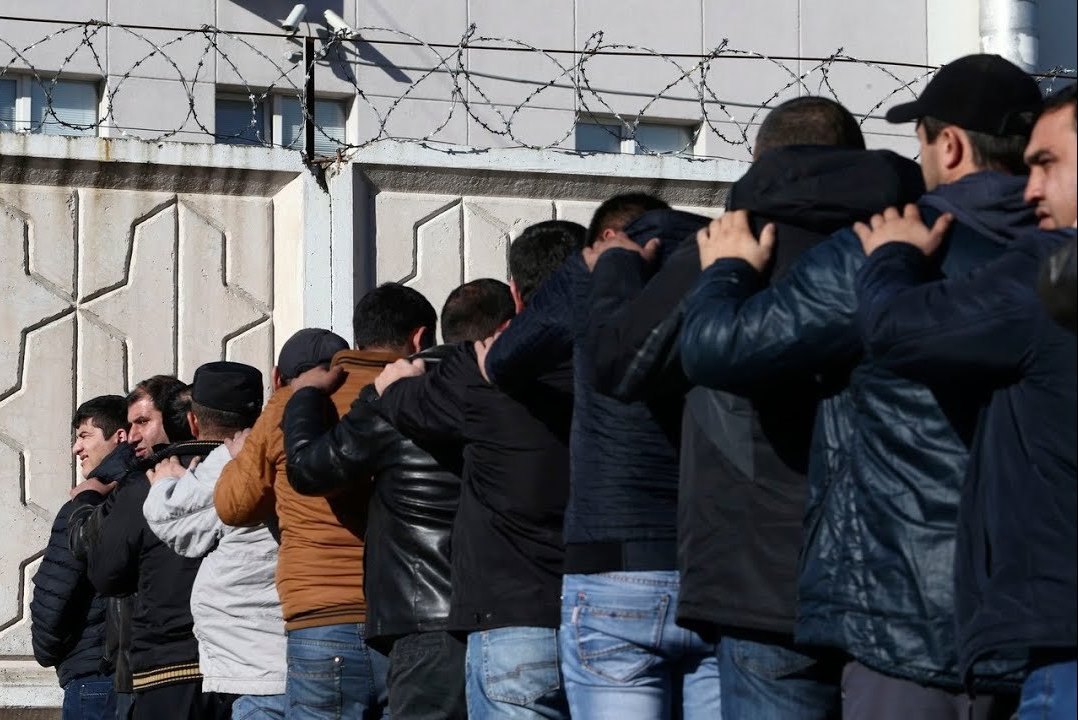
However, after four years, no noticeable changes in this direction are visible, Tajik migrants are virtually defenseless, and Russia remains the main host country.
Moreover, attacks on Tajik migrants intensified after the March terrorist attack in the “Crocus City Hall” near Moscow, in which Tajik citizens are suspected of committing.
Internet to the people
Representatives of IFIs have repeatedly suggested to the Tajik authorities to end the business of the Communications Service in the country's telecommunications market, on which the country's digital transformation depends. A division of this Service (“Tajiktelecom”) has the exclusive right to supply Internet traffic to the country. Local providers and mobile operators have been banned from buying Internet on their own in neighboring countries.
In January 2016, a Unified communication center was created in the country at “Tajiktelecom”, through which international communication services and Internet traffic of all operators and providers pass.
In the spring of 2021, the former World Bank ambassador to the Republic of Tajikistan, Jan-Peter Olters, proposed to the authorities to separate the Communications Service from its subordinate operator (“Tajiktelecom”). In his opinion, the dominance of the state-owned company in the market has reduced the growth rate of the market and increased the cost of services, which worsened the availability of the Internet and reduced the number of subscribers.
"Tajikistan suffers from high prices for Internet services and limited access to the Network, especially in rural areas, where more than 70% of the population lives," – said Olters.
The former World Bank envoy noted that the current market situation hinders the injection of new private investments into the telecommunications sector and limits the development of the Internet market in the country.
A year later, in March 2022, his receiver Ozan Sevimli complained about poor-quality and expensive communications at a meeting of the Advisory Council on Improving the Investment Climate under the President of the Republic of Tajikistan.
At the end of the same year, President Emomali Rahmon instructed the Communications Service, together with mobile operators and Internet service providers, to take the necessary measures to improve the quality and reduce the cost of mobile communications and the Internet.
But nothing changed, on the contrary, the Communications Service recently supported an increase in Internet prices.

Tajikistan is among the countries with the highest cost of mobile Internet in the Worldwide mobile data pricing ranking, while it is among the 10 countries in the world with the lowest speed. The republic ranks 142nd in the world with an average price of $1.65 per 1 GB. For comparison: Kyrgyzstan is on the 8th place ($0.17), Uzbekistan is on the 22nd ($0.30), Kazakhstan is on the 35th ($0.41).
In the July Speedtest Global Index ranking, Tajikistan ranks 143rd in terms of mobile Internet speed, and 125th among 162 countries in terms of fixed broadband Internet speed. At the same time, Kazakhstan ranks 56th and 94th, respectively, Kyrgyzstan – 66th and 85th, Uzbekistan – 74th and 82nd places.