The signing ceremony of a government-to-government agreement between Tajikistan and the Maldives on mutual exemption of visa requirements was held in New York on November 26.
The Tajik MFA information department says the document was inked by the Permanent Representative of Tajikistan to the United Nations, Mr. Jonibek Hikmat, and the Permanent Representative of the Maldives to this organization, Mr. Ali Naseer Mohamed.
Based on the signed agreement, nationals of the parties shall be exempted from visa requirements to enter, exit, transit through and temporarily stay in the territory of the other party, provided that the length of stay shall not exceed thirty (30) days period.
This agreement has been concluded for an indefinite period and shall enter into force thirty (30) days after the parties receive the last written notification by diplomatic means of the completion of domestic procedures necessary for the entry into force of this agreement.
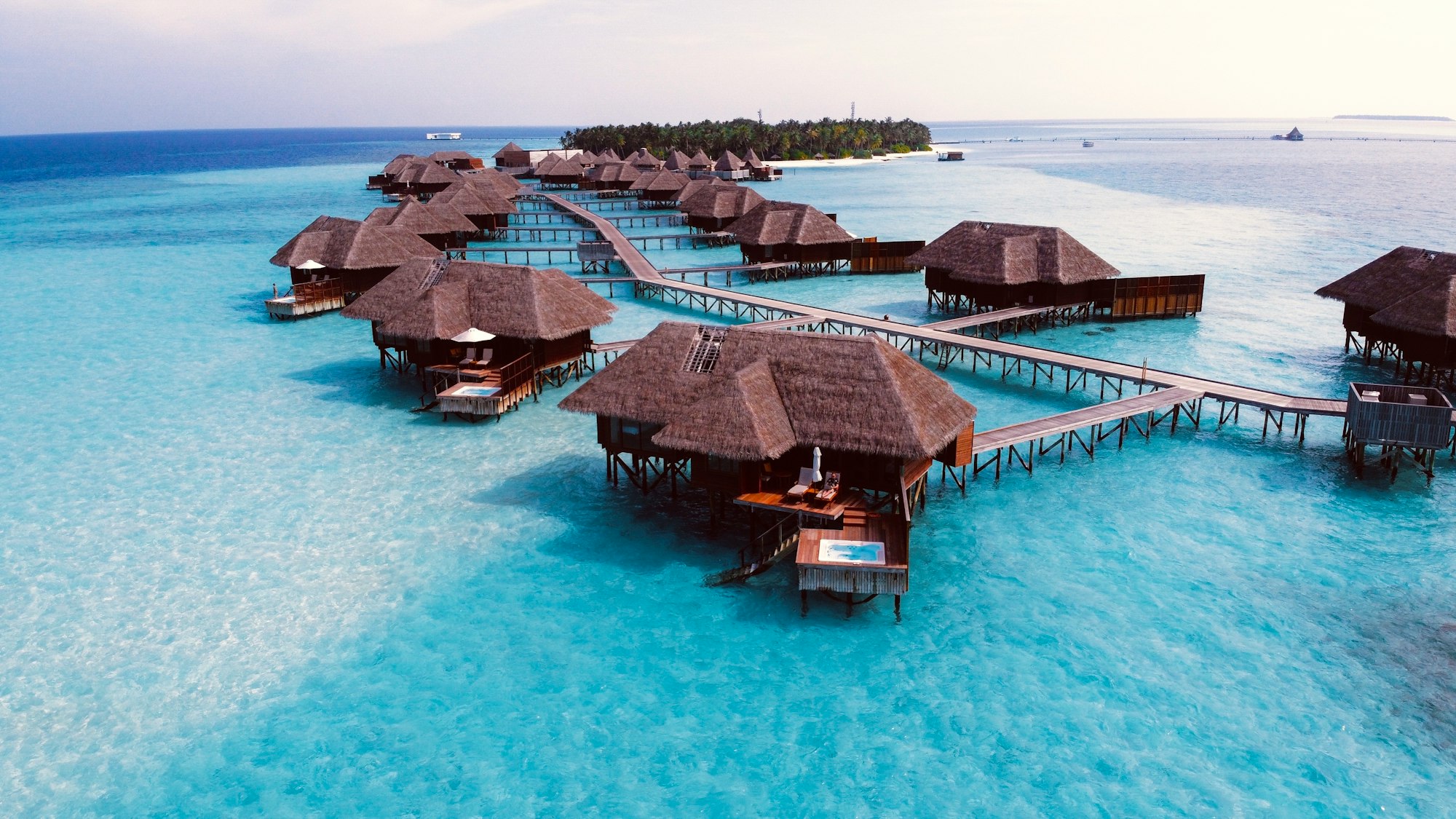
The Maldives, officially the Republic of Maldives, and historically known as the Maldives Islands, is a country and archipelagic state in South Asia in the Indian Ocean. The Maldives is southwest of Sri Lanka and India, about 750 kilometers from the Asian continent's mainland.
The Maldives consists of 1,192 coral islands grouped in a double chain of 26 atolls, that stretch along a length of 871 kilometers north to south, 130 kilometers east to west, spread over roughly 90,000 square kilometers, of which only 298 km2 is dry land, making this one of the world's most dispersed countries.
In the early 1970s and 1980s, the Maldives was one of the world's 20 poorest countries, with a population of 100,000. The economy at the time was largely dependent on fisheries and trading local goods.
The Maldivian government began a largely successful economic reform program in the 1980s, initiated by lifting import quotas and giving more opportunities to the private sector. At the time tourism sector which would play a significant role in the nation's development was at its infant stage. Agriculture and manufacturing continue to play lesser roles in the economy, constrained by the limited availability of cultivable land and the shortage of domestic labor. The development of tourism fostered the overall growth of the country's economy. It created direct and indirect employment and income generation opportunities in other related industries.