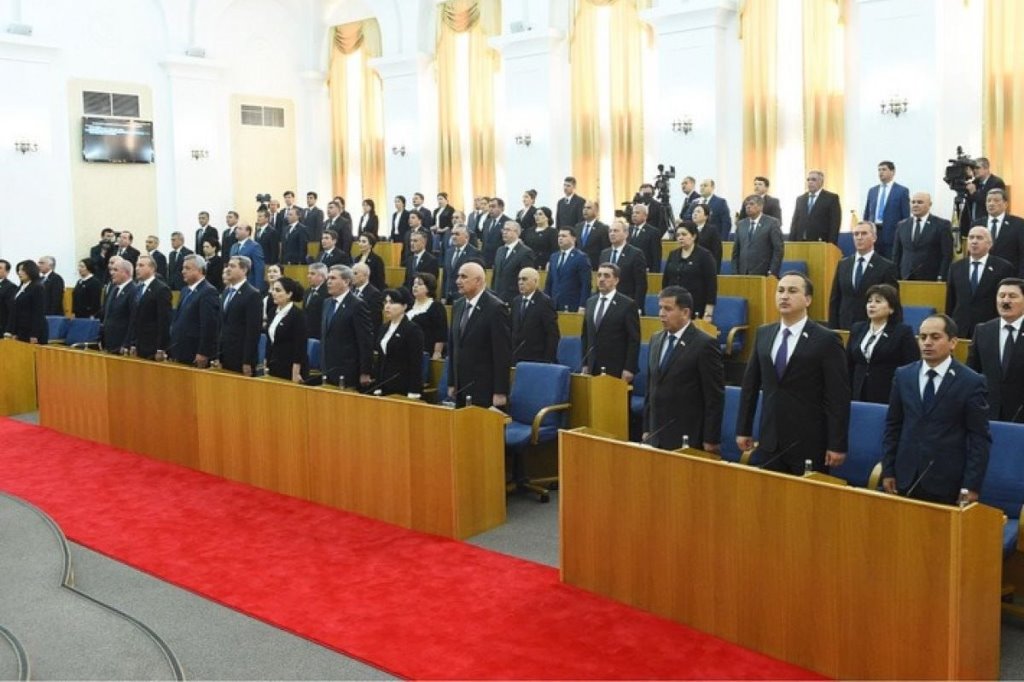
It is becoming increasingly difficult to get opinions from members of Tajikistan’s parliament on socially significant issues. Journalists often contact dozens of MPs seeking clarifications on various topics but fail to get answers. When responses are provided, they are often unconvincing.
One MP told Asia-Plus that they are not obligated to comment to the media. However, experts and former MPs argue that no one prevents parliamentarians from speaking up; on the contrary, they have a duty to explain pressing issues to their constituents through the media.
Laws passed, but not explained
Recently, after President Emomali Rahmon criticized the “unjustified initiation of criminal cases for social media likes” and the recognition of “materials and videos shared on social networks as evidence”. Asia-Plus sought responses from MPs regarding possible legislative initiatives to review relevant articles of the country\s Penal Code.
Several MPs refused to comment, while one shared a general opinion but later denied permission to publish it fully. Such reluctance to engage with journalists, including Asia-Plus, is not new.
For instance, after the adoption of the law on regulation of celebrations and ceremonies in Tajikistan, which banned "the import, sale, promotion, and wearing of foreign clothing," journalists sought clarification on the term "foreign clothing," which was mentioned but not clearly defined in the law. For two months, none of the MPs agreed to explain this term to the public via Asia-Plus.
Finally, one MP, Ms. Mujibakhon Javhari, clarified that "foreign clothing" refers to hijab, niqab, long black abayas from Arab countries, ripped jeans, and overly short or revealing outfits.
An idealized definition vs reality
MPs are supposed to represent their constituents, protecting their interests during the discussion, drafting, and adoption of laws. They are also expected to explain these laws to the public. But does the reality in Tajikistan align with this idealized definition?
Jamshed Murtazozoda, chairman of the Majlisi Namoyandagon (Tajikistan’s lower chamber of parliament) Commission on Monitoring Regulations and Organization of the Majlisi Namoyandagon Work, insists that MPs are "actively working."
“If journalists organize a briefing, I will personally participate and prove that all MPs are active. You just don’t see it. I understand that MPs don’t always cooperate with the media, but I disagree with claims that they are inactive,” said Murtazozoda. He also noted, however, that MPs "are not obligated to respond to the media and are accountable only to their constituents."
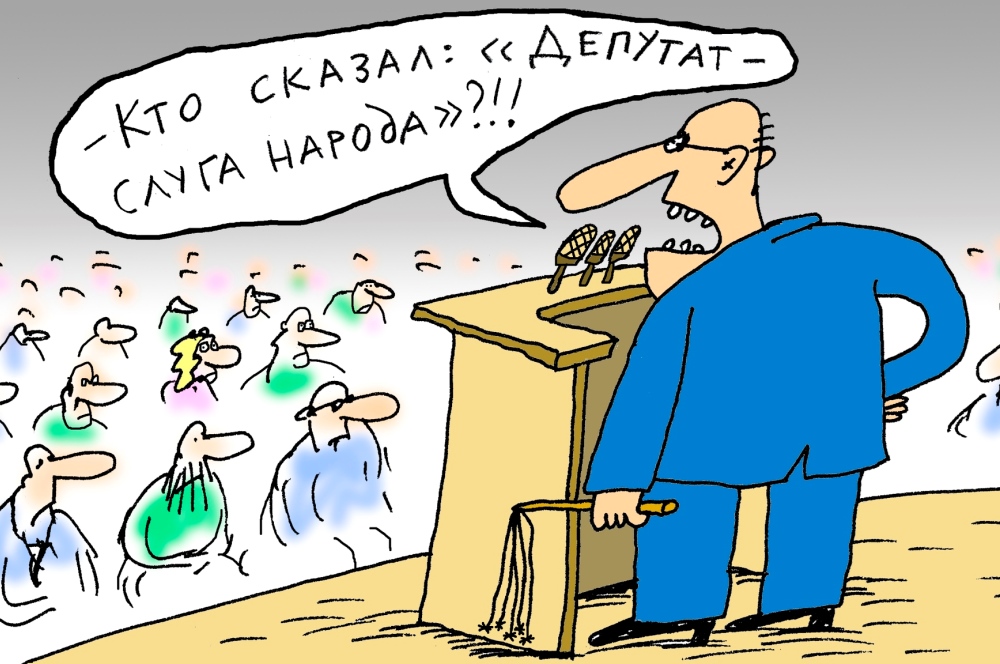
MPs should clarify issues through the media
Ibrahim Usmonov, a professor and former MP, emphasized that MPs must recognize their responsibility to their voters.
"MPs shouldn’t act only on directives. After discussing laws, presidential statements, or other issues, they should develop a plan of action to address specific tasks within the following month. Parliamentarians must discuss topics with constituents and clarify issues through the media—whether state-run or independent outlets,” said Usmonov.
Saifullo Safarov, head of the Association of Political Scientists of Tajikistan and former deputy director of the Center for Strategic Studies, compared the current conditions for MPs with those in the past, stating that "it was once even life-threatening for MPs to speak openly. Today, this is no longer a problem; their working conditions have significantly improved." He noted that MPs have access to cars, computers, phones, and other necessities.
Safarov argued that the lack of response from some MPs may be due to their lack of expertise on the topic or because the issue does not concern them. However, he insisted that "MPs must report back to their constituents" and suggested that modern MPs and political parties need to be more active on social media and in the press.
Public Accountability Is Crucial
Safarov believes that improving the quality of MPs’ work and increasing their accountability requires active demands from political parties, factions, and the public.
“The people must demand that MPs fulfill their duties and responsibilities. They should respond not only to journalists but also to the public’s questions,” he said.
Usmonov noted that younger MPs might mistakenly believe their duties are limited to parliamentary discussions. However, he argued that "an MP without political knowledge or an understanding of social life will not benefit society."