
Tajikistan has received financial assistance from the U.S., particularly in combating diseases such as HIV/AIDS and tuberculosis. What are the potential consequences for the country if this aid is suspended?
HIV and Tuberculosis in Tajikistan: What Is the Current Situation?
HIV remains a significant issue in Tajikistan, primarily because a large number of citizens travel abroad for work each year, mainly to Russia.
According to The Lancet, a reputable medical journal, HIV incidence and AIDS-related deaths have increased in Russia over the past 12 years. However, Russia’s Minister of Health claims that the incidence is at a "historic low." Independent experts, as noted by Deutsche Welle, have had no access to data on Russia’s HIV situation since 2022.
Nevertheless, Tajik migrant workers continue to "bring back" HIV from abroad and infect their families.
As reported by Asia-Plus last summer, the Republican Center for HIV/AIDS Prevention and Control detected 5,463 new HIV cases over the past five years. 22% of those infected were migrant workers.
Currently, 12,480 patients with HIV/AIDS are registered for medical monitoring in Tajikistan, including 1,022 children under 18. Last year alone, 293 new HIV cases were recorded among labor migrants.
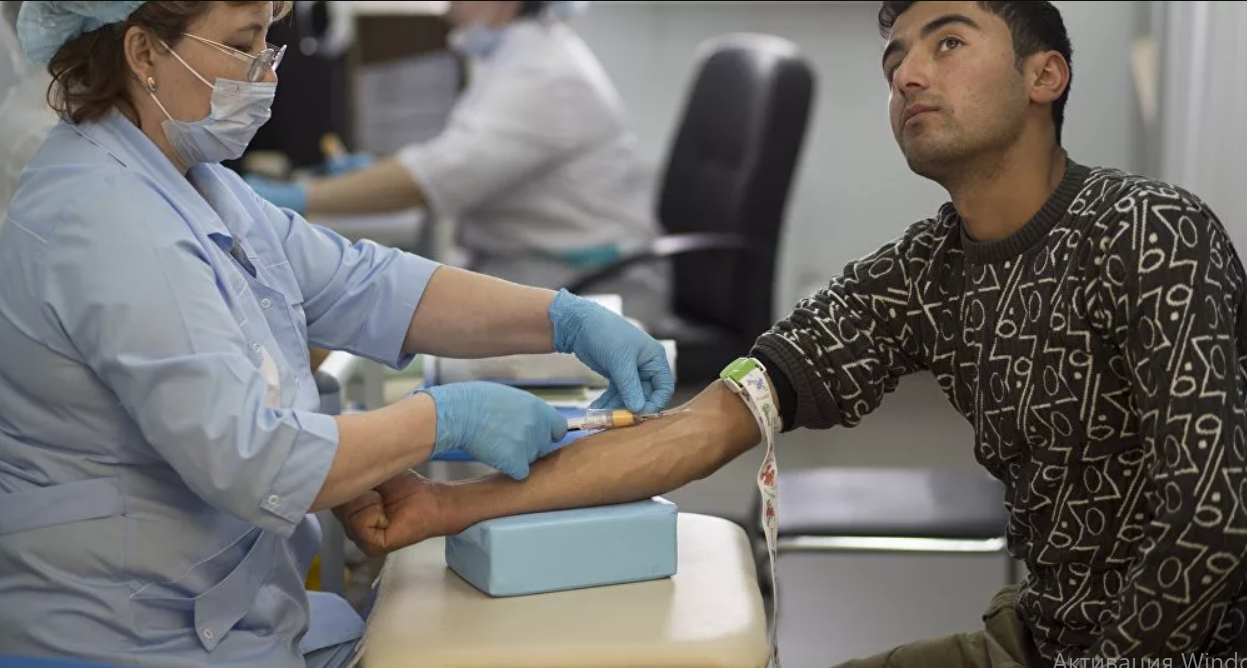
In 2024, the number of HIV tests conducted increased by 208,000, bringing the total number of laboratory tests in the country to 1,265,331. The number of newly detected HIV cases decreased by 98 compared to previous years.
However, one of the challenges is that many people may be unaware of their HIV status and do not get tested.
Regarding tuberculosis, Tajikistan’s Minister of Health, Jamoliddin Abdullozoda, stated that 4,545 cases were recorded last year, compared to 4,537 this year.
"This year, 89 more tuberculosis cases were identified, which indicates improved diagnostics in our country. We currently have 77 diagnostic devices for tuberculosis, 84 BACTEC laboratories, and 40 additional diagnostic machines," Abdullozoda added.
How Has the U.S. Helped Tajikistan Fight These Diseases?
According to national expenditure assessments for HIV, in 2023, the U.S. contributed 18.2% of Tajikistan's total HIV-related funding, amounting to $2.8 million.
The U.S. government primarily supported NGOs focused on HIV testing and prevention among key population groups in Tajikistan.
Aziza Hamidova, UNAIDS country director (USAID was a major donor to this UN agency in Tajikistan), emphasized the critical role of U.S. contributions in the fight against AIDS. One of the most impactful initiatives was the U.S. President’s Emergency Plan for AIDS Relief (PEPFAR).
"Since its launch in 2003, PEPFAR has saved more than 26 million lives worldwide by investing in vital HIV treatment, care, and prevention programs. The sudden suspension of U.S. foreign aid has already disrupted access to essential HIV medications and prevention services for millions of people who rely on them,"
Hamidova noted.
Thanks to UNAIDS and USAID support, Tajikistan became the first country in the region to develop a Sustainable HIV Response Roadmap through 2030 and beyond, she emphasized.
The continuous support of international partners remains a key factor in achieving global HIV/AIDS targets in Tajikistan.
The Tajikistan Network of Women Living with HIV also highlighted USAID’s role, as it annually supports over 500 HIV-positive women across the country.
How Did the U.S. Specifically Help This Network?
"With USAID’s support under the ‘Social Innovation in Central Asia’ (SICA) program, we ran the ‘Community-Led Monitoring’ (CLM) project for three years. This initiative aimed to improve the quality of services provided to vulnerable populations and people living with HIV," said Takhmina Haidarova, head of the organization.
"A new project was supposed to launch in February this year through UNAIDS, but the process was suspended…" she added.
UNAIDS warned that closing programs and cutting access to key groups and effective HIV prevention efforts could have long-term negative consequences for HIV/AIDS control in Tajikistan.
USAID Faces Closure. Will Tajikistan Now Rely on the Global Fund?
Despite the challenges, both Tajik authorities and international organizations remain optimistic. According to Minister of Health Jamoliddin Abdullozoda, alternative solutions are being explored while USAID’s future operations remain uncertain.
"There is also the Global Fund to Fight AIDS, Tuberculosis, and Malaria, which operates in the same areas, and we intend to continue our collaboration with them. Additionally, other funding sources exist, and our goal is to ensure that activity levels in these areas do not decline compared to previous years," Abdullozoda stated.
The Republican Center for HIV/AIDS Prevention and Control also confirmed its reliance on the Global Fund, which has supported Tajikistan in HIV prevention, diagnostics, care, and treatment since 2003.
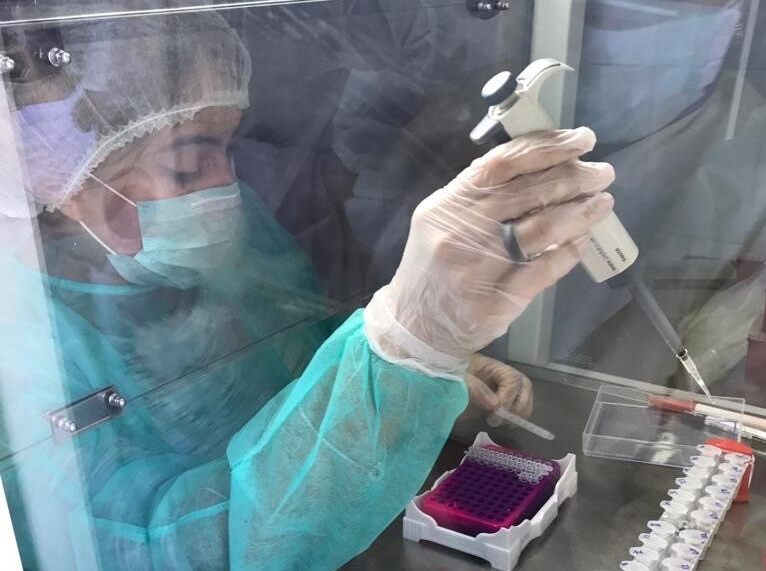
The annual cost of HIV treatment per patient in Tajikistan is estimated at $57–60. More than 95% of patients in the country receive combination therapy using TLD (tenofovir/lamivudine/dolutegravir), according to data provided to Asia-Plus by the center.
*"From 2006 to 2024, all HIV treatment drugs were purchased using Global Fund resources. The Fund also supports procurement of preventive materials, diagnostic tests for key populations, workforce training, and infrastructure improvements for both government and civil society organizations.
All activities under the Global Fund remain active, with no cancellations of procurements or projects. USAID, on the other hand, primarily worked with community organizations serving key populations,"* a specialist from the center explained.
Is There a Shortage of HIV Medications in Tajikistan?
According to the center, there is no shortage of HIV tests or antiretroviral (ARV) medications in Tajikistan.
*"Currently, the country has sufficient stocks of tests and ARV drugs, primarily funded by the Global Fund and the state budget. There is no shortage of these resources.
The United Nations Development Programme (UNDP), as the main recipient of Global Fund grants, oversees the procurement process. The entire supply chain—from procurement to delivery—takes about six months.
Furthermore, in recent years, government funding for HIV tests and ARV drugs has increased.
Over 80% of diagnostic tests for vulnerable populations are state-funded. Since late 2024, the government has also started purchasing ARV medications, with public funding gradually increasing year by year,"* the center reported.
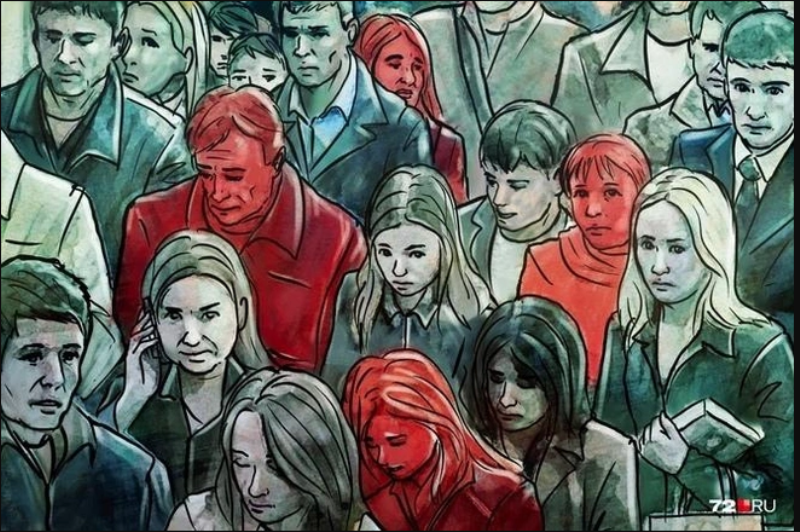
But There’s a Catch…
In summary, at this stage, the suspension of U.S. aid through USAID mainly affects some civil society organizations, particularly those providing psychological and social support to people living with HIV and self-testing services for vulnerable groups.
However, losing this support is still significant, especially considering the stigma and discrimination faced by HIV-positive individuals in Tajikistan.
Why Is This Issue Not Over Yet?
The Global Fund receives funding from multiple sources, but if PEPFAR funding stops, it could still impact the Fund’s operations in Tajikistan, warns the head of the Tajikistan Network of Women Living with HIV.
The Global Fund is financed by France, the UK, Germany, Japan, Canada, and other countries, but its largest donor is the U.S., which contributes over 30% of its total budget.
Moreover, according to UNAIDS, 61% of Tajikistan’s national HIV program is funded by external sources. The U.S. government’s contribution ranks second (20%), following the Global Fund (40%). Other donors provide much smaller contributions.
"The U.S. is a key partner in developing national HIV programs and strategies, preparing funding applications for the Global Fund, strengthening laboratory services, introducing cutting-edge prevention methods, integrating HIV services, and collecting and analyzing statistical data for decision-making. Furthermore, the suspension of U.S. funding poses serious challenges for civil society organizations, HIV-positive communities, and key population groups.At present, many organizations have halted their operations. Closing these programs and cutting off access to key groups and effective HIV prevention measures could have long-term negative consequences for Tajikistan’s HIV/AIDS response,"* UNAIDS told Asia-Plus.
Who Else Supports Tajikistan in the Fight Against HIV and Tuberculosis?
The United States is not the only country assisting Tajikistan in its battle against HIV and tuberculosis.
Tajikistan is part of the European Region of the World Health Organization (WHO).
WHO continues to support national efforts to respond to HIV and tuberculosis through technical guidance and policy development assistance.
The organization focuses on enhancing the effectiveness of prevention, diagnosis, treatment, and care.
Additionally, WHO representatives told Asia-Plus that the organization is ready to work with national authorities and partners to strengthen Tajikistan’s healthcare system.
What Are the Global Consequences of the U.S. Funding Freeze?
WHO is still assessing the potential impact of the U.S. withdrawal from global health initiatives, including in Tajikistan.
"The new U.S. administration has just taken office and is still shaping its health policy agenda. WHO remains open to collaboration with the new administration to maintain long-standing partnerships that have saved millions of lives worldwide," WHO officials stated.
Is There Still Hope?
Following public backlash in the U.S., some exceptions were introduced to the aid freeze.
U.S. Secretary of State Marco Rubio approved emergency measures allowing residents of 55 countries, including Tajikistan, to continue receiving U.S.-funded HIV treatment.
Thanks to this, more than 20 million people living with HIV can still receive treatment through PEPFAR.
UNAIDS welcomed the decision but warned:
"Since this measure is temporary and part of a broader review of U.S. foreign aid, the future of HIV funding remains uncertain," UNAIDS told Asia-Plus.
Despite the challenges, UNAIDS emphasized that with continued U.S. support through PEPFAR and global partnerships, Tajikistan can sustain progress and continue fighting HIV.
