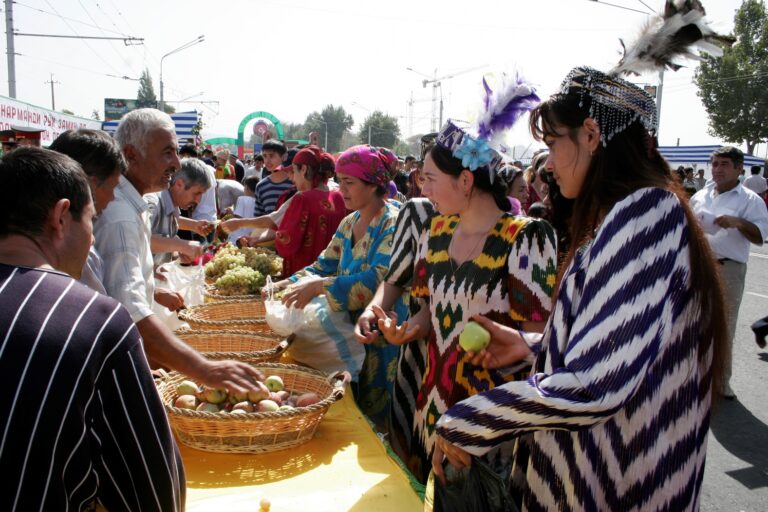
A total of 133 million somonis has been allocated for the implementation of the comprehensive state program for the development of animal husbandry, poultry farming, fish farming, and beekeeping in Tajikistan for the years 2023-2027.
The goal of the program is to increase the production of meat, milk, eggs, fish, and honey through the introduction of modern technologies, improvements in breeding work, and feed base enhancement.
State support will be provided through loans, subsidies, and training.
Of the total, 13.3 million somonis (over US$1.2 million) will come from the state budget, while the remaining approximately 120 million somonis (over US$11 million) will come from domestic and foreign investments.
Less meat, more Milk
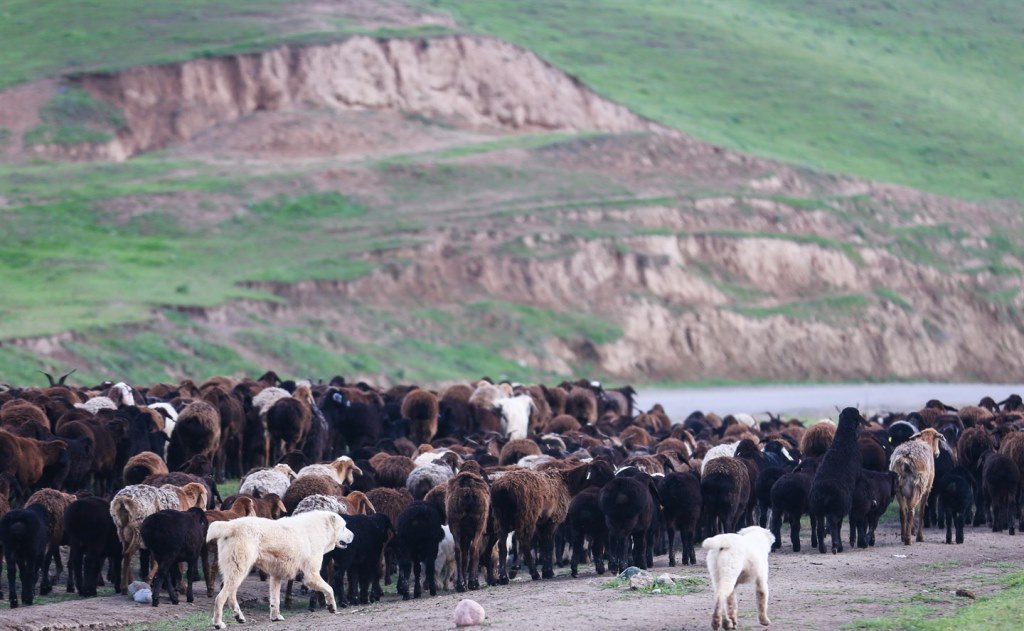
Animal husbandry plays a key role in ensuring the population’s food security and providing raw materials for industry. As of January 1, 2025, Tajikistan has 2.79 million heads of cattle and 7.1 million heads of small livestock.
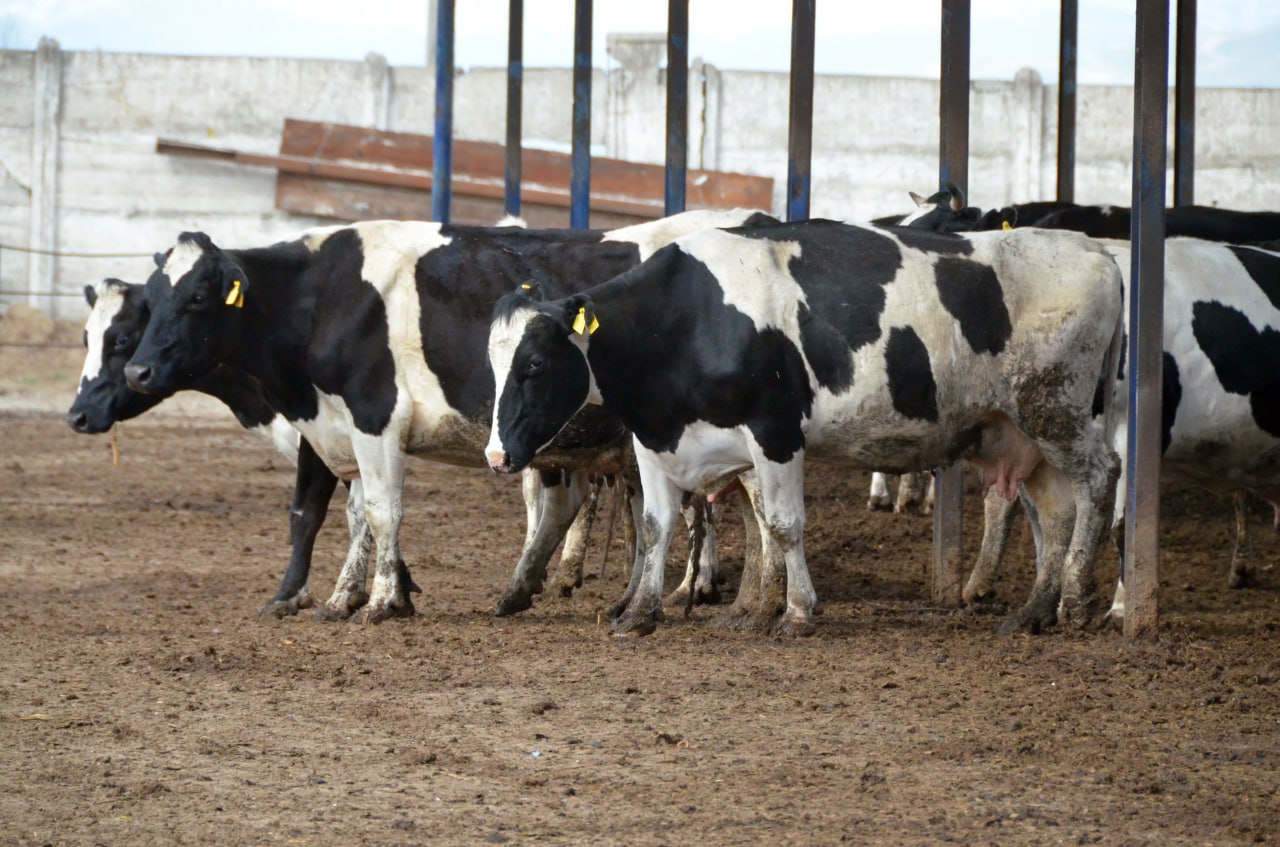
With government support, the livestock population and production of meat, milk, eggs, fish, and honey have been increasing. It is forecasted that by 2027, per capita consumption will rise from 14.9 kg to 17.9 kg of meat and from 107 liters to 115 liters of milk.
However, despite positive trends, the sector faces several serious challenges. One of the key issues is the low quality of breeding livestock: more than 93% of cattle and 81.8% of small livestock are kept in private farms, where productivity is low. A significant challenge is the insufficient supply of feed – limited resources for producing high-quality feed directly impact the growth and productivity of animals. Additional risks stem from the low level of veterinary services, due to a shortage of specialists and modern laboratories.
Moreover, small farms face difficulties accessing financing, making it hard to obtain loans for development. Climate conditions also play a significant role, as droughts and water shortages have a major impact on the provision of feed and drinking water for livestock.
High-mountain farms: why yak farming is a promising sector
According to statistics, thanks to state programs, the yak population has been growing annually, reaching about 28,000 as of January 1, 2025. However, over 74% of these animals are kept in the private sector, and their mass and productivity do not yet meet the standards.
The main problems are related to a lack of breeding work, insufficient feed during the winter period, and limited opportunities for processing products. The yak population is also frequently affected by diseases due to the absence of regular veterinary care, and access to specialized markets remains limited.
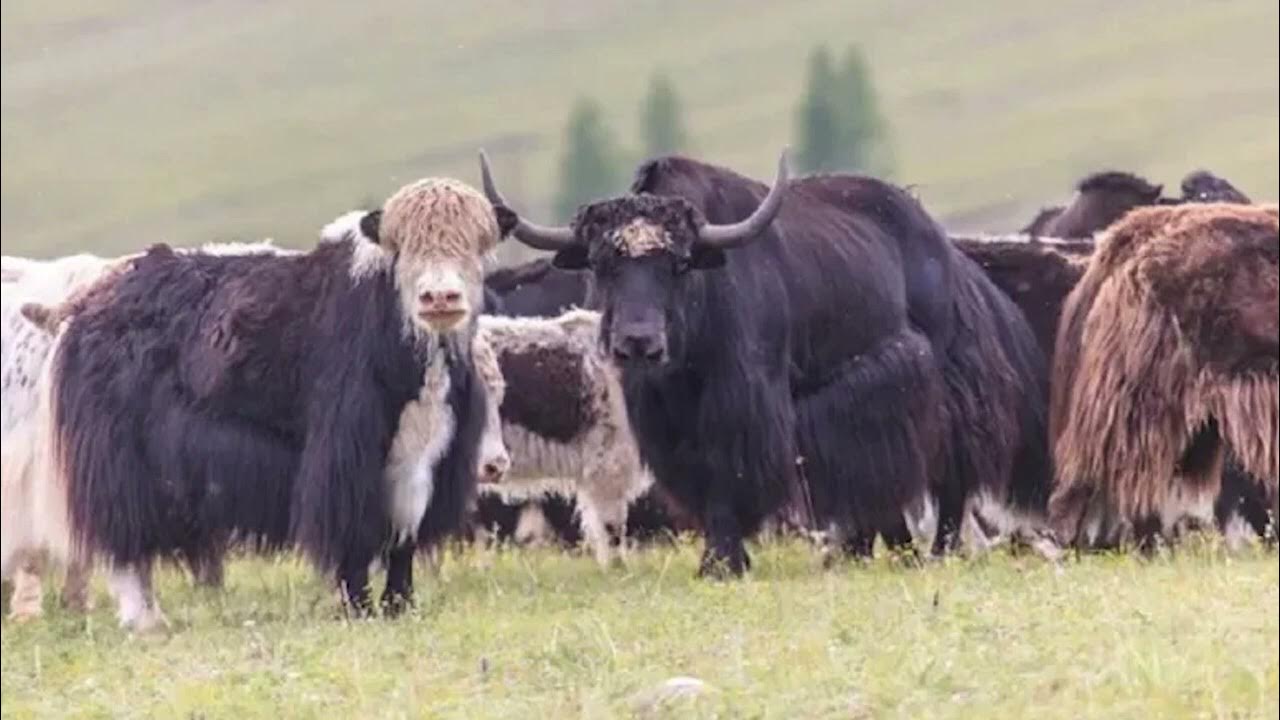
To address these issues, the Comprehensive Program includes breeding work to improve the genetic productivity of yaks, ensuring farmers have access to quality feed and veterinary services, as well as developing processing infrastructure.
The creation of cooperatives will help small farms pool their efforts and access larger markets.
Government support, including subsidies and preferential loans, can stimulate the growth of the sector.
Three pillars of horse breeding: development, breeding, international recognition
As of January 1, 2025, the horse population in Tajikistan reached 91,600. However, the sector faces several challenges, including insufficient funding, lack of infrastructure, and weak private sector support.
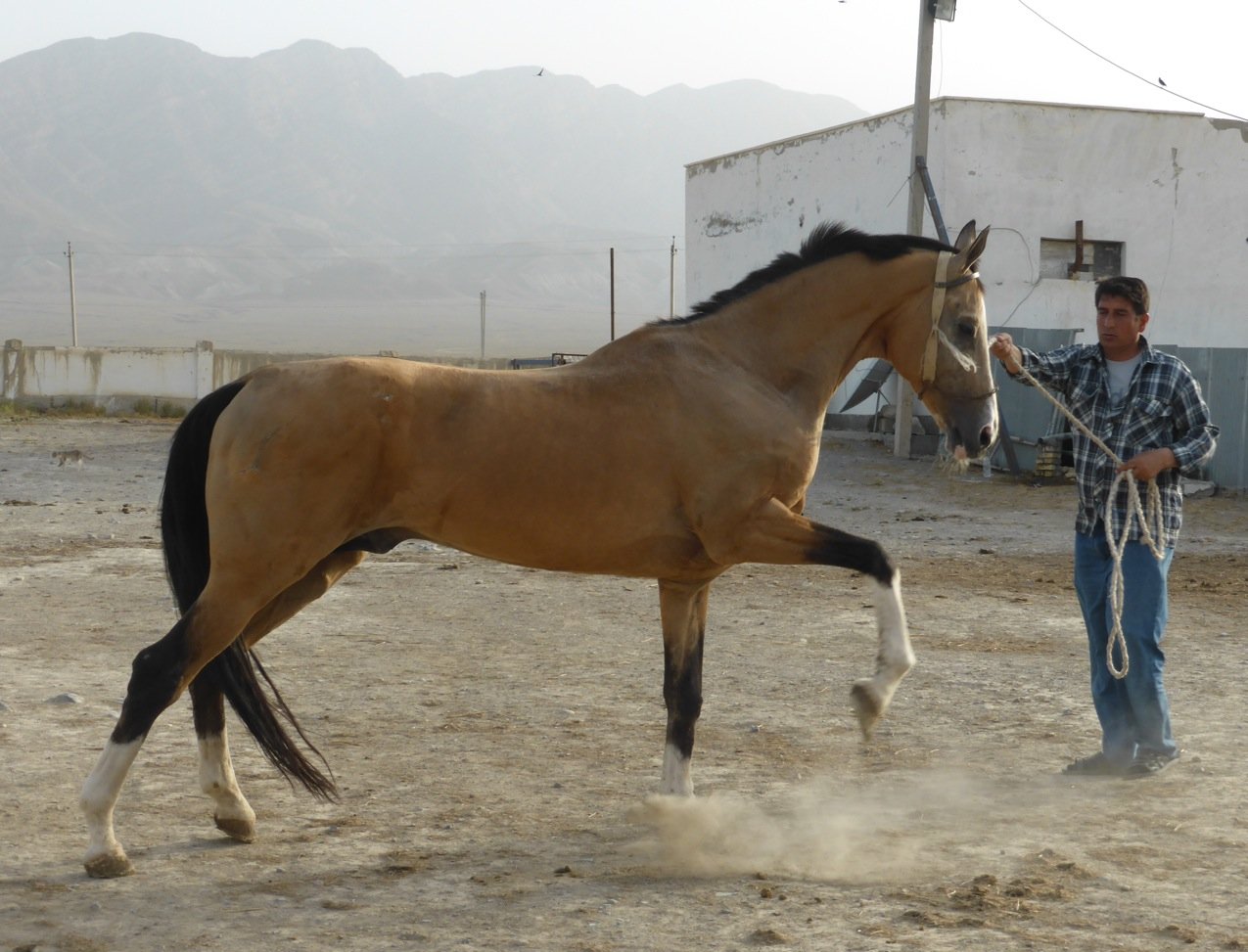
An important step toward development is improving the conditions of horse breeding, modernizing horse farms, and enhancing the productive qualities of horses.
Modern selection methods allow for the identification of the best breeds and the improvement of genetic potential. However, breeding programs in Tajikistan remain insufficient.
Poultry farming in Tajikistan: from benefits to billions of eggs
By 2027, poultry meat production is expected to increase to 66,200 tons, and egg production to 1.19 billion, ensuring that each resident consumes 6.1 kg of poultry meat and 119 eggs annually.
Despite significant growth and state support, the poultry farming sector faces several problems. One of the main issues is the reliance on imported feed.
There are also limitations in the breeding of parent hens. Only three enterprises in the country specialize in this area, which is insufficient to meet the sector's needs.
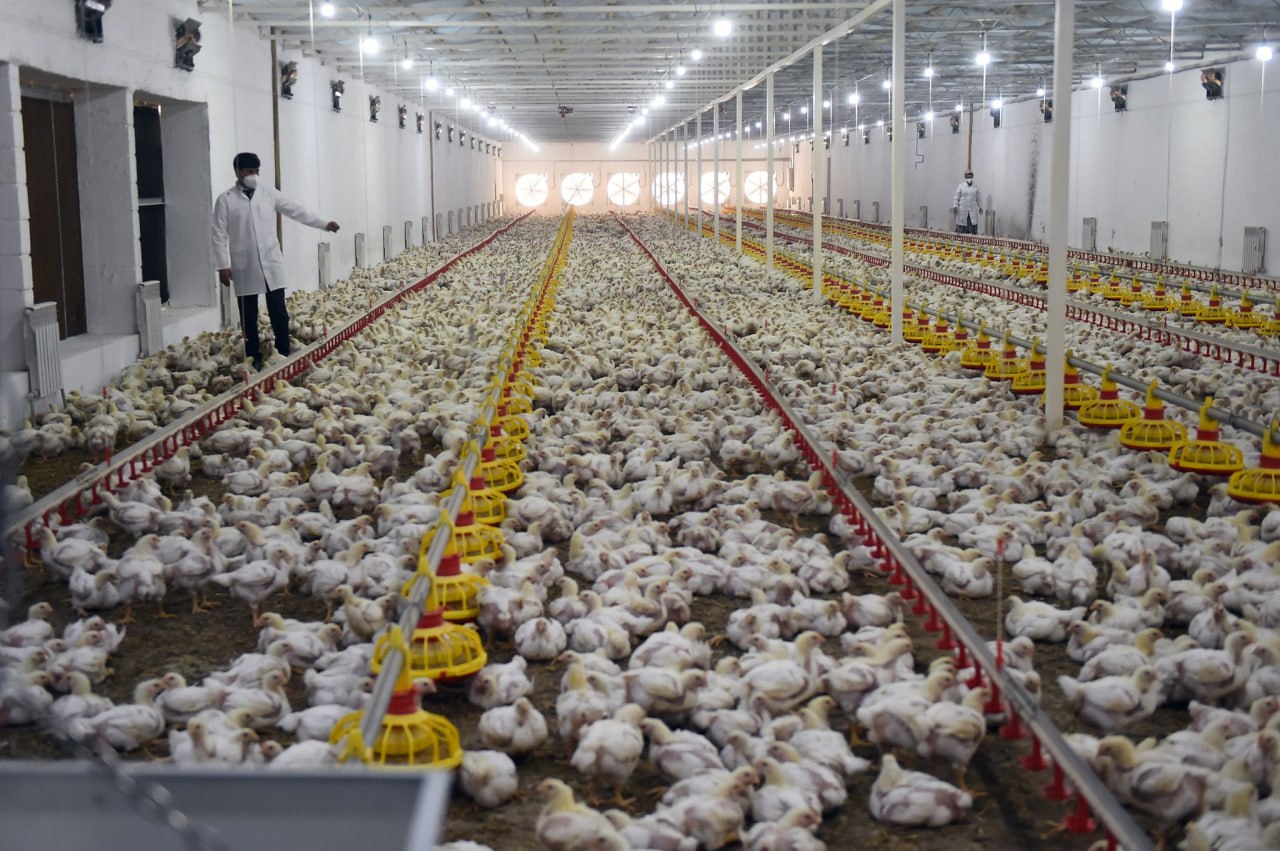
A shortage of qualified specialists, such as veterinarians, zootechnicians, and poultry nutrition experts, negatively impacts production efficiency. Training in this field remains inadequate, which reduces the level of professional service for poultry farms.
Additional challenges include energy dependence and infrastructure difficulties. Poultry enterprises require stable power supplies, especially incubators and ventilation systems, and power outages can lead to significant production losses.
Access to credit remains difficult, particularly for small and medium-sized farmers. Logistic challenges exacerbate the situation, as the remoteness of some regions from large markets increases transportation costs.
Fish farming: why is productivity declining in water bodies?
The fish farming sector in Tajikistan has been growing annually due to the country’s rich water resources. To support this sector, tax and customs benefits have been introduced since 2019, which has led to an increase in the number of fish farms and fish production.
In 2024, there were 366 fish farms operating in the country, and the area of fishery ponds reached 2,743.8 hectares. Fish production increased to 5,600 tons.
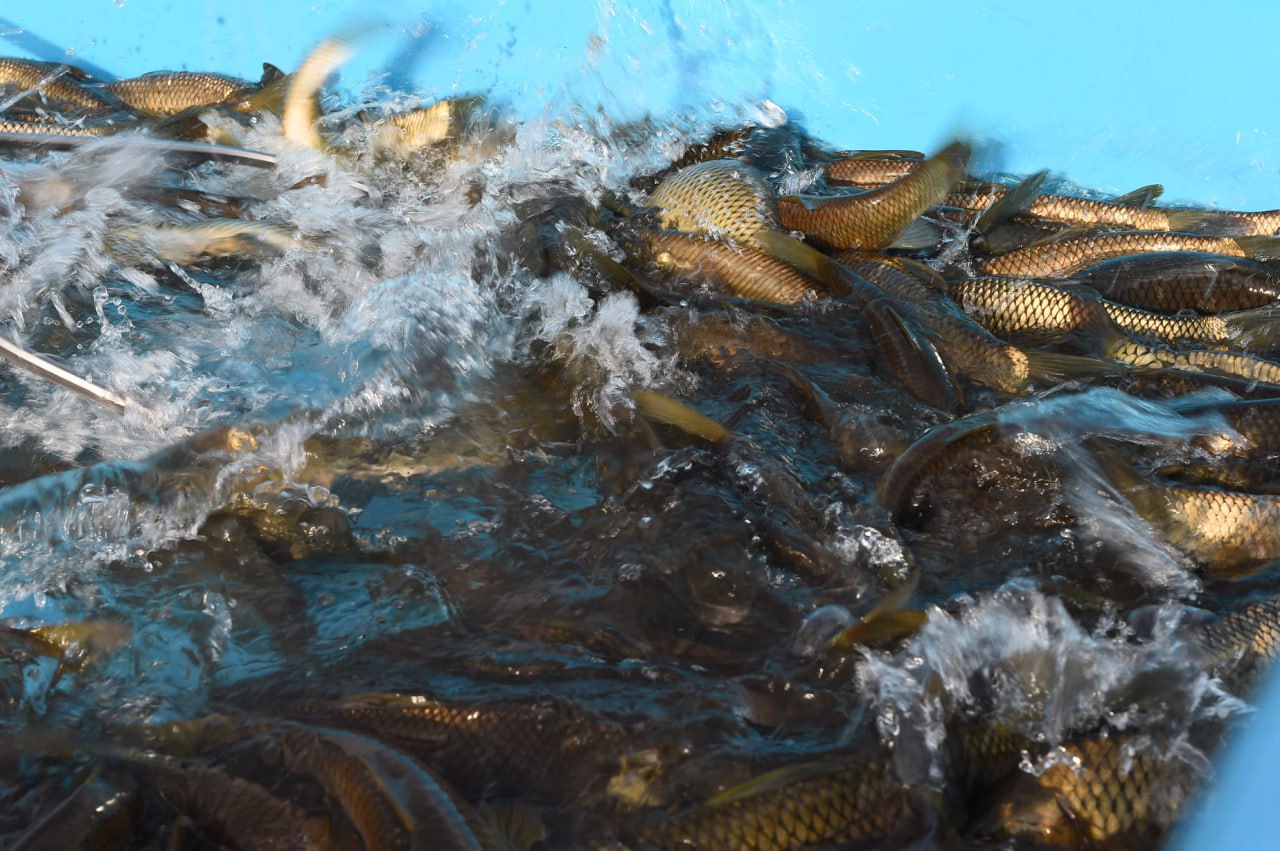
Per capita fish consumption reached 0.4 kg, and the program aims to increase this figure to 0.72 kg. Over the past two years, the number of pedigreed and improved fish species has increased to 27,000, which is 1.9 times more than in the previous three years.
However, the productivity of fishery ponds remains low. In the 1990s, it was 30-35 centners per hectare, but now it has dropped to 15-16 centners due to a lack of compound feed and other factors.
Many farms face outdated water supply systems, equipment, and technology, which negatively affects productivity. Due to natural factors, some water bodies deteriorate each year, so improving their condition will increase productivity by 20-30% and reduce additional costs.
Beekeeping: how to enter international markets
Favorable conditions allow for the future expansion of the beekeeping sector to 600,000 beehives, with annual honey production reaching 10,000-12,000 tons, as well as the production of other valuable beekeeping products such as wax, flower pollen, royal jelly, bee venom, and propolis.
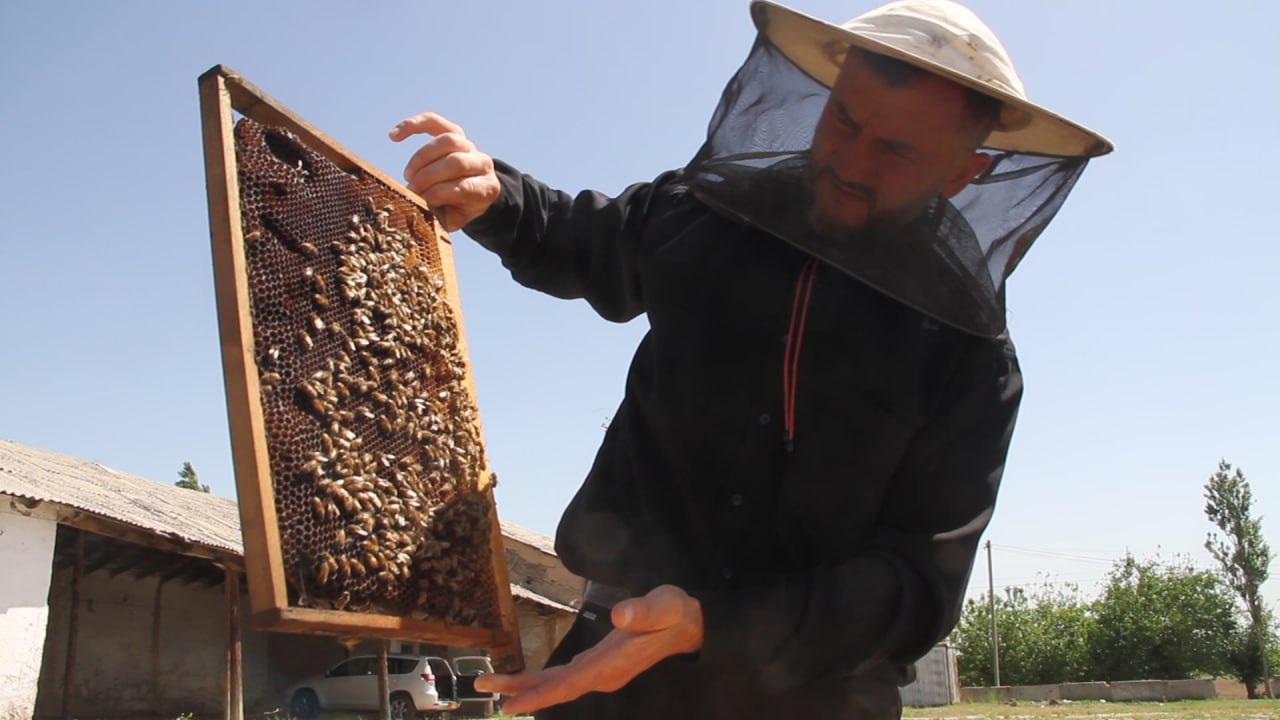
Honey is the main product of the industry, but its other products are much more expensive on both the domestic and international markets. For example, flower pollen costs six times more than honey, propolis eight times more, and bee venom 660 times more.
In 2024, the number of beehives in the country reached 274,000, and honey production reached 4,800 tons.
Despite the increase in the number of beehives and honey production, the productivity of each hive needs improvement. To achieve this, it is necessary to establish imports and exports of beehives in cooperation with foreign countries, as well as to conduct breeding and selection work.
The country has opened four honey processing enterprises in Khujand (Sughd province), Darvoz (Gorno Badakhshan Autonomous region), Khovaling and Baljuvon (both in Khatlon province), which has helped meet domestic market needs and develop exports.