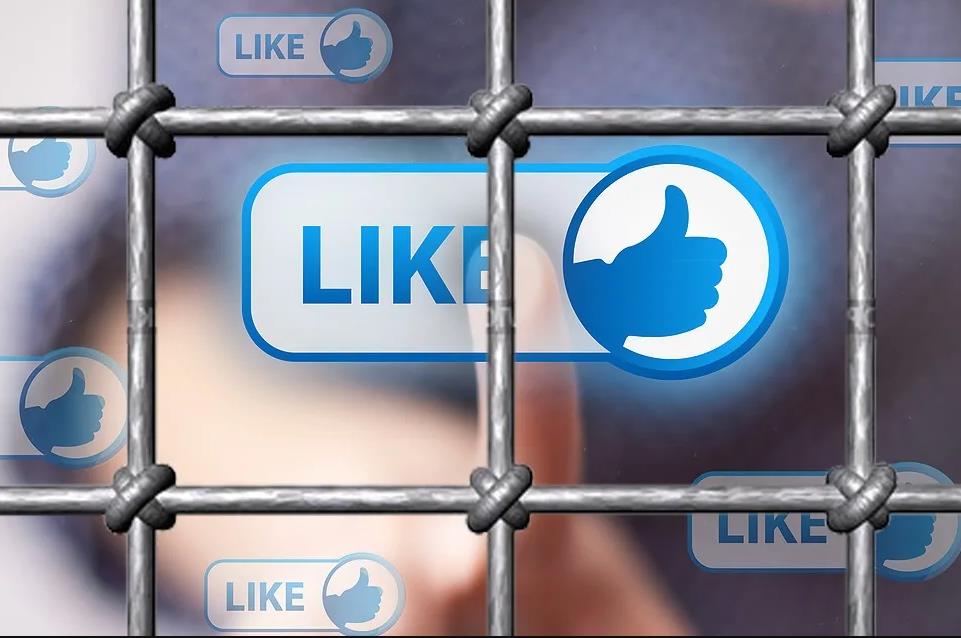
Tajikistan’s president, Emomali Rahmon, signed a landmark law on May 14, 2025, abolishing criminal liability for digital interactions such as likes, reposts, and comments on social media. The move ends a controversial practice that for years saw citizens prosecuted and imprisoned for simply engaging with extremist or terrorist-related content online.
Background: from harsh penalties to legal reform
In 2018, amendments to Tajikistan’s Criminal Code introduced severe penalties for “public calls to terrorist activity,” explicitly extending the law to actions performed on the internet. Likes, reposts, and comments on extremist materials were considered evidence of criminal involvement, punishable by up to 15 years in prison under Article 179. Article 307 similarly imposed long sentences for public calls to extremism.
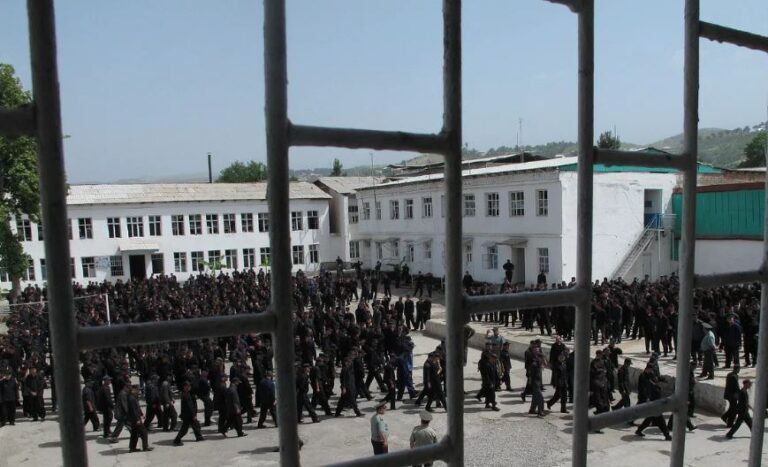
This legal framework led to more than 1,500 people being incarcerated by 2024 for social media interactions deemed extremist. The policy drew increasing domestic and international criticism for restricting freedom of expression and punishing citizens for minimal online activity.
Presidential criticism sparks change
In October 2024, President Rahmon publicly condemned the practice of prosecuting social media users for likes and reposts, calling it “excessive and mistaken.” He stressed that such digital actions should not automatically be treated as criminal offenses.
Following this stance, the recent law officially repeals criminal liability for such social media interactions, marking a significant shift in Tajikistan’s approach to internet freedom and justice.
Legal experts call it a step forward
Legal specialists welcomed the reform. Navrouz Odinayev, founder of the law firm Himoya, said, “Holding people responsible solely for a like was a dangerous and legally weak practice. This law corrects that and allows for a more nuanced approach considering the user’s intent and awareness.”
Odinayev also noted that the Tajik Criminal Code permits retroactive application of laws that reduce punishment or decriminalize acts. This opens the door for reviewing and possibly revising previous sentences based on the old rules.
Former Supreme Court judge Vatan Abdurahmanov highlighted the positive impact on freedom of expression and legal clarity, saying, “This change encourages freer speech while protecting the constitutional order. Likes and reposts were never clearly defined as crimes.”
Human rights advocates demand further action
Leyla Seyitbek, head of the human rights group Freedom of Eurasia, linked the law’s adoption to sustained international pressure. She emphasized that repealing criminal liability for digital reactions is just the first step.
“There should now be efforts to review past convictions and release those unjustly imprisoned,” Seyitbek told Current Time in an interview. She added that prosecution authorities responsible for prison oversight are expected to consider petitions for sentence revision, in line with the Constitution.
What’s next?
As of now, the Supreme Court has not commented on the procedures or likelihood of reopening cases under the new legislation. Meanwhile, families and activists hope the law will bring justice to many affected by the previous harsh approach to social media activity.