
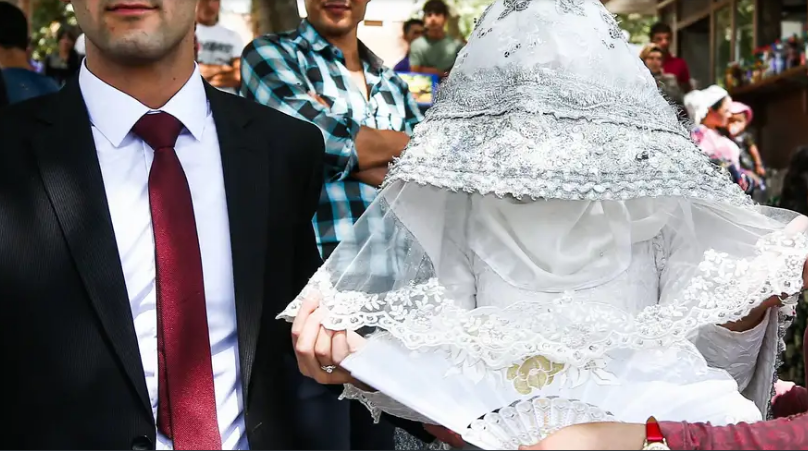
Although the legal age for marriage in Tajikistan is 18, courts continue to grant exceptions, allowing girls to marry at 17. According to legal experts from PRO BONO DE JURE, the law permits such cases under "exceptional circumstances," but it does not clearly define what those are—leaving room for manipulation.
Sociologist Gulnora Beknazarova notes that courts often grant permission due to financial hardship: “People come and plead poverty. Out of around 550 cases I’ve reviewed, only one was based on genuine love. The rest were driven by necessity.”
Parents sometimes rush weddings so elderly relatives can witness them or out of fear that their daughters will start behaving "improperly."
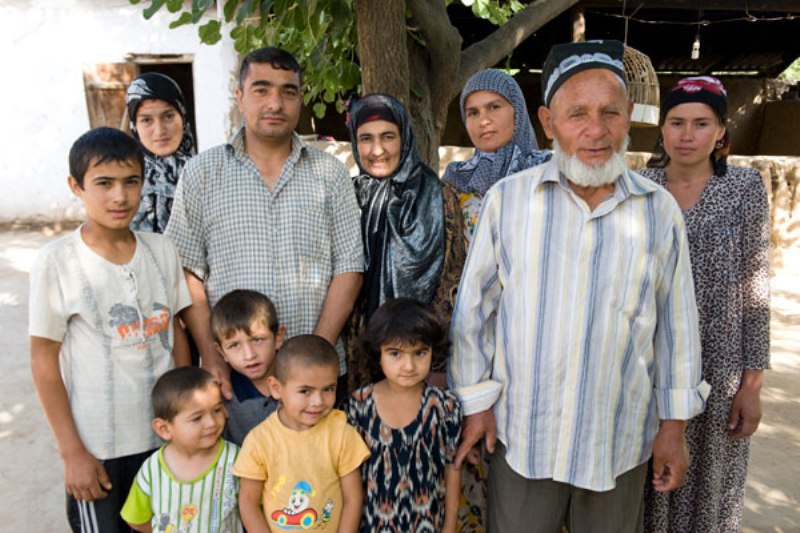
Gender researcher Diana Ismailova points to absurd cases—such as when a court lowered the marriage age simply because the wedding had already been paid for. While rare, such cases highlight problematic legal practices.
Experts agree the core issue is cultural mindset. Girls are pressured into early marriage because society considers them “old” by 26. Rational planning is often absent—little thought is given to what will happen if the girl divorces: will she have the skills or opportunity to support herself?
Still, Beknazarova sees signs of change. With recent reforms making grades 10 and 11 mandatory, and increasing efforts from NGOs and the government to promote girls’ education, more young people are rethinking traditional paths. This shift offers hope for a more progressive future.
