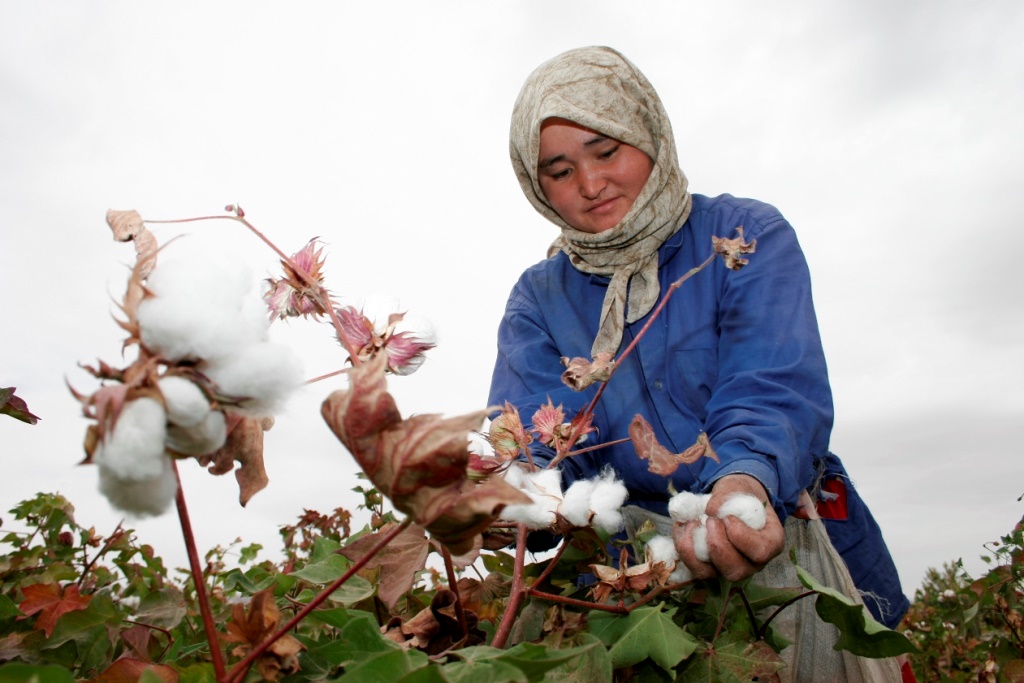
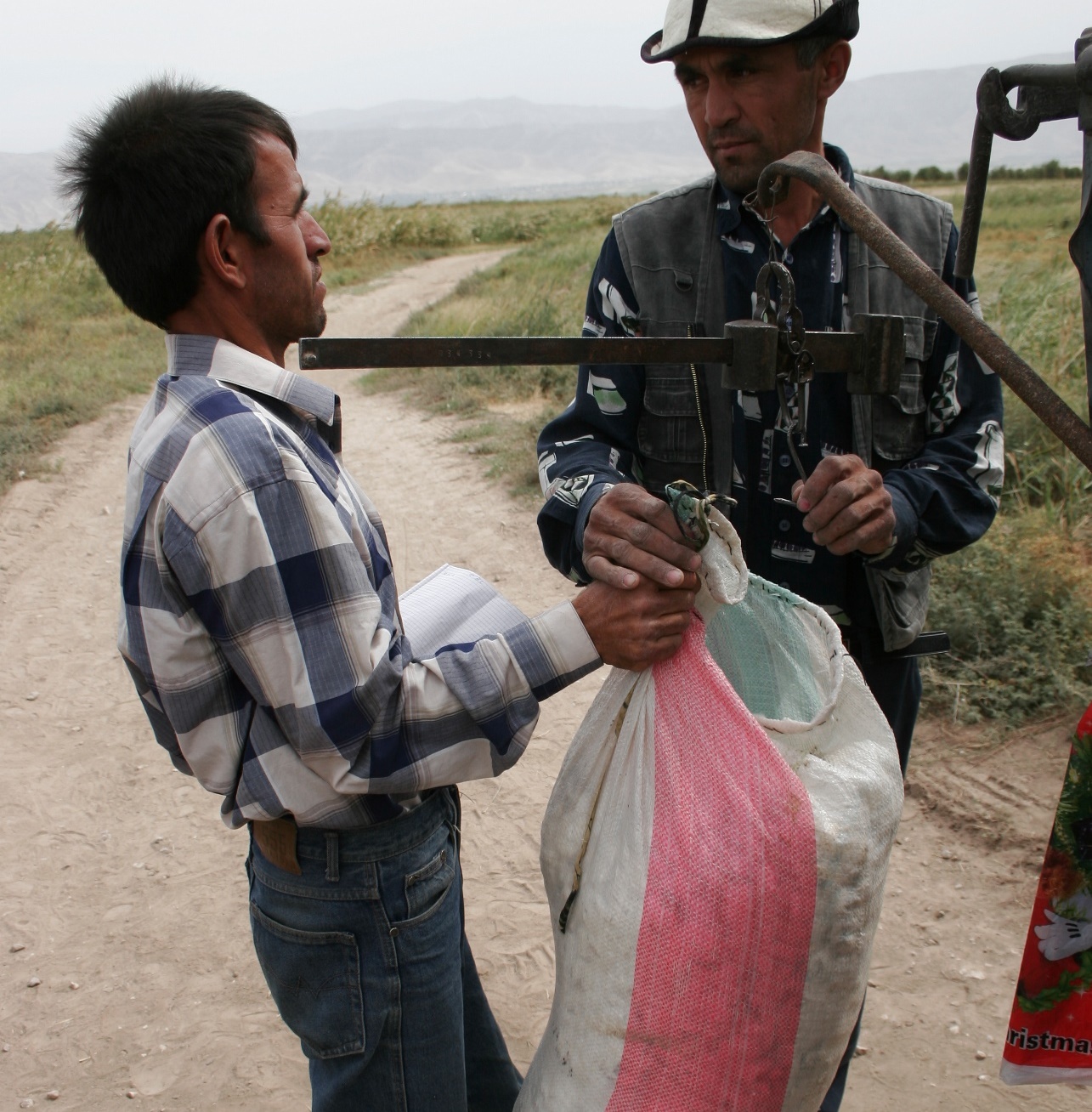
Farmers in Tajikistan have to sell harvested cotton for 6-6.5 somoni per kilogram, which is lower than the prime cost. Manufacturers warn that without government support, the industry will be unprofitable.
Farmers in the Hamadoni area report serious problems with the sale of the cotton crop. According to them, in the spring, the local authorities ordered to sow the land with this crop, but after harvesting it turned out that the cotton gins in the area were not working. As a result, there is simply nowhere to deposit cotton.
Some manufacturers are forced to look for buyers in neighboring regions, where a kilogram of cotton is accepted for 6-6.5 somoni. But farmers say that at this price they go into the red.
"If we don't sell at least 10 somoni per kilogram, it will be bankruptcy. The cost is very high," – says one of the cotton growers.
According to him, the cost of growing cotton is 10-12 thousand somoni per hectare. The farmers called on the authorities to step in and take support measures.
It should be noted that this situation is not only in Hamadoni, but in all cotton-growing regions of Tajikistan.
Free choice on paper, commitment in practice
Despite officials' statements that farmers are free to choose crops, in practice they face "recommendations" from local authorities, which in fact turn into an obligation. Abandoning cotton in favor of more profitable crops is fraught with bureaucratic problems: difficulties in extending land leases or accessing loans.
Farmers from different regions complain that they are being forced to sow cotton even in fields where wheat or vegetables could generate more income. As a result, producers incur losses, and cotton remains difficult to sell.
Intermediaries make money, farmers lose
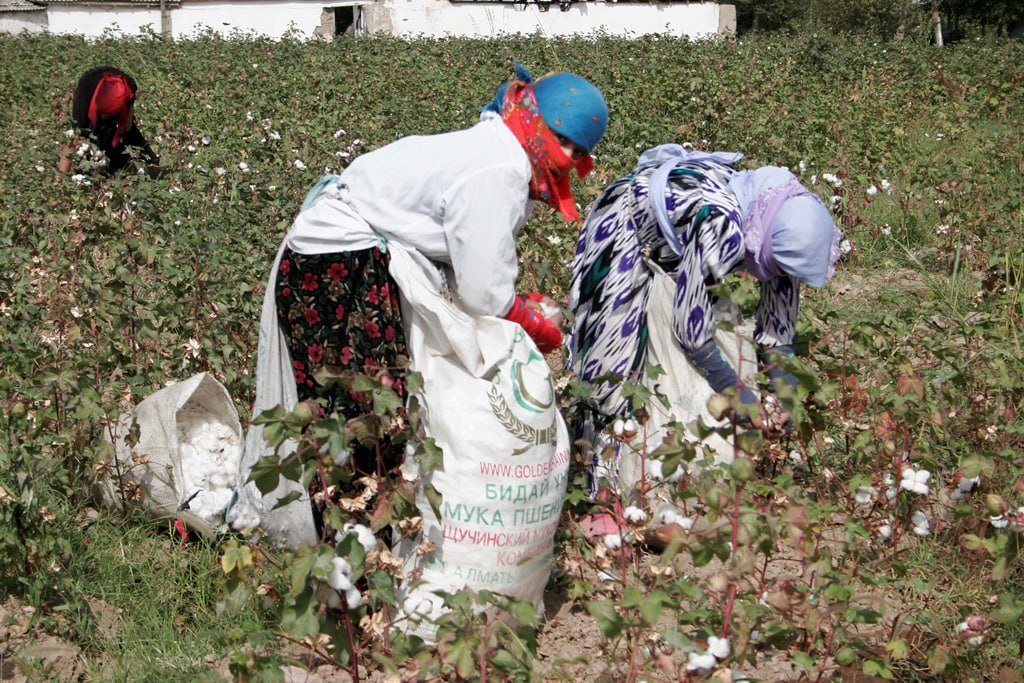
The average purchase price of cotton in 2025 is 6-6.5 somoni per kilogram, while the prime cost reaches 7-8 somoni. Taking into account the pay of the collectors, the costs increase even more. As a result, cotton farming becomes unprofitable.
At the same time, the price of cotton on the world market reaches $1.5-1.6 per kilogram (about 15-16 somoni). However, Tajik farmers do not have access to these sales channels: the procurement system is focused on intermediaries, not producers.
Economist Farrukh Saidov notes: "Without subsidies and higher purchase prices, farmers will not be able to develop cotton production. Today, the procurement system works in the interests of intermediaries."
The neighborhood experience: how support makes cotton profitable
In Uzbekistan, the state subsidizes cotton production, paying an additional 2.1 somoni per kilogram. This makes growing and harvesting cotton more attractive.
In Tajikistan, collectors receive up to 1.5 somoni per kilogram, while on construction sites they are paid up to 200 somoni per day. This difference reduces the motivation of the workforce and exacerbates the personnel shortage.
Analysts believe that the crisis in cotton production can be overcome only through comprehensive reforms. Among the priorities are the introduction of a subsidy system, financial support for producers, the abolition of forced sowing and the creation of market mechanisms that will provide farmers with direct access to markets.
On paper – loans and subsidies, in fact – losses
The National Strategy for the development of cotton production, processing and the textile industry in the Republic of Tajikistan for 2024-2040 provides for a number of measures for cotton farmers.
For financial support, it is planned to expand access to preferential loans, grants and subsidies, as well as introduce tax preferences. Farmers should participate in cotton acceptance at factories to protect their interests in price formation.
In addition, the strategy provides for the creation of a cotton and textile association, retraining of specialists, internships for farmers abroad and the involvement of foreign experts. Special attention is paid to the renewal of agricultural machinery and the introduction of new agricultural technologies.
However, in practice, farmers claim that these measures remain on paper: they do not feel support yet, and cotton farming continues to be unprofitable.