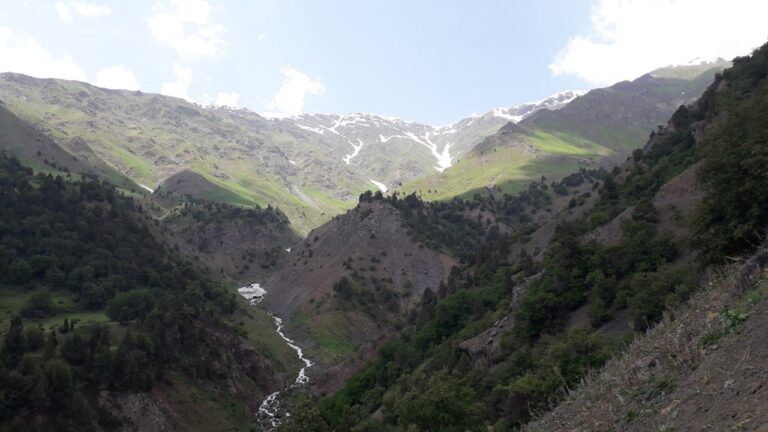
Glaciers in the mountains of Tajikistan are melting faster and faster, and this has a direct impact on the lives of farmers. Crops require more water, and heat and dust storms cause serious damage to fields and bees. In order to survive, farms are looking for new ways to adapt, from biogas to re-sowing.
"We have water because we are closer to the sources of the rivers, but even we have to water more often. Previously, three waterings per season were enough, now it's five or six." – explains Galatmo Aliyeva – the head of the "Usto Murod" farm in the Vakhdat district.
This need for more water is explained not only by the increase in temperature, but also by the deterioration of the precipitation regime.
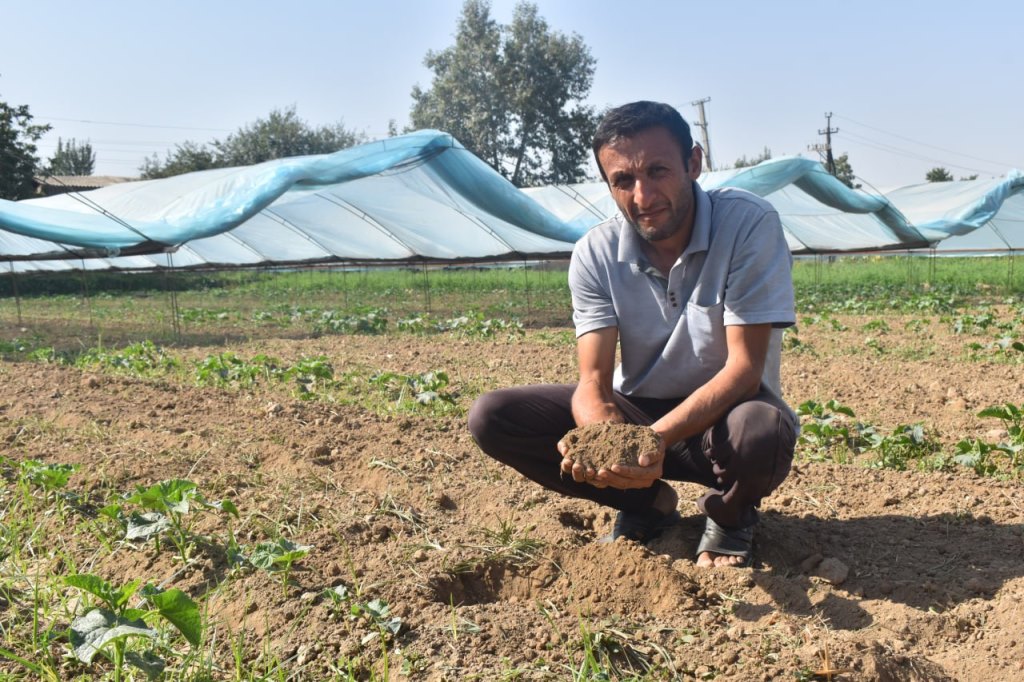
Due to the abnormal heat, the soil loses its strength, and its fertility has to be maintained with the help of biofertilizers.
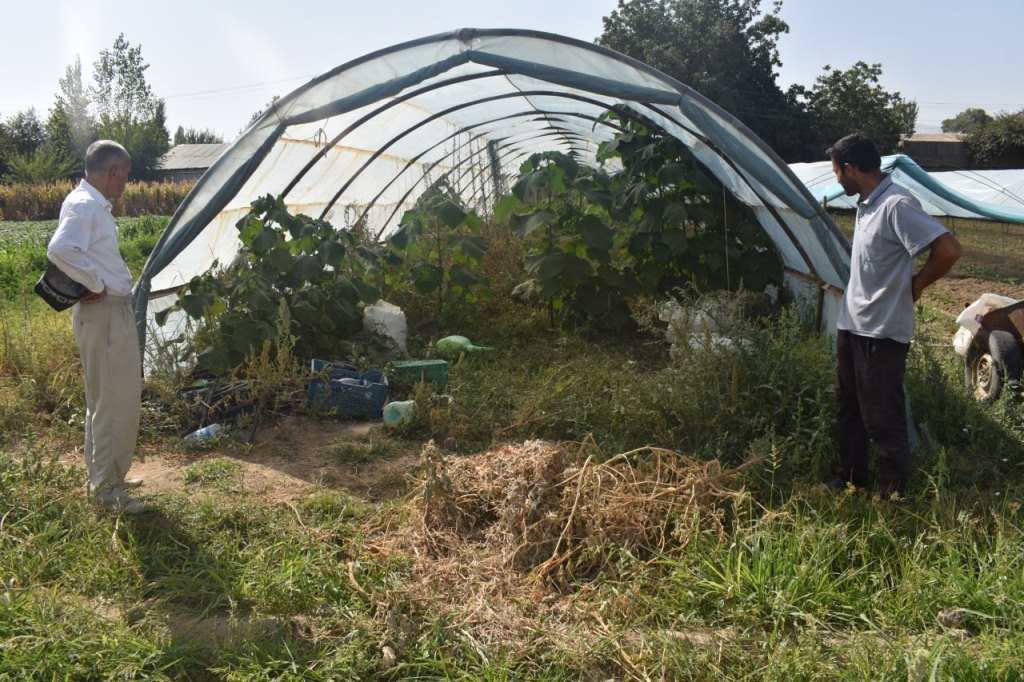
"Every year the earth loses its strength. We water more, and we maintain crop yields and soil fertility with biofertilizers," – adds Mirali, Galatmo's husband.
Losses due to dust and heat
Dust storms and high temperatures cause significant damage to the farm.
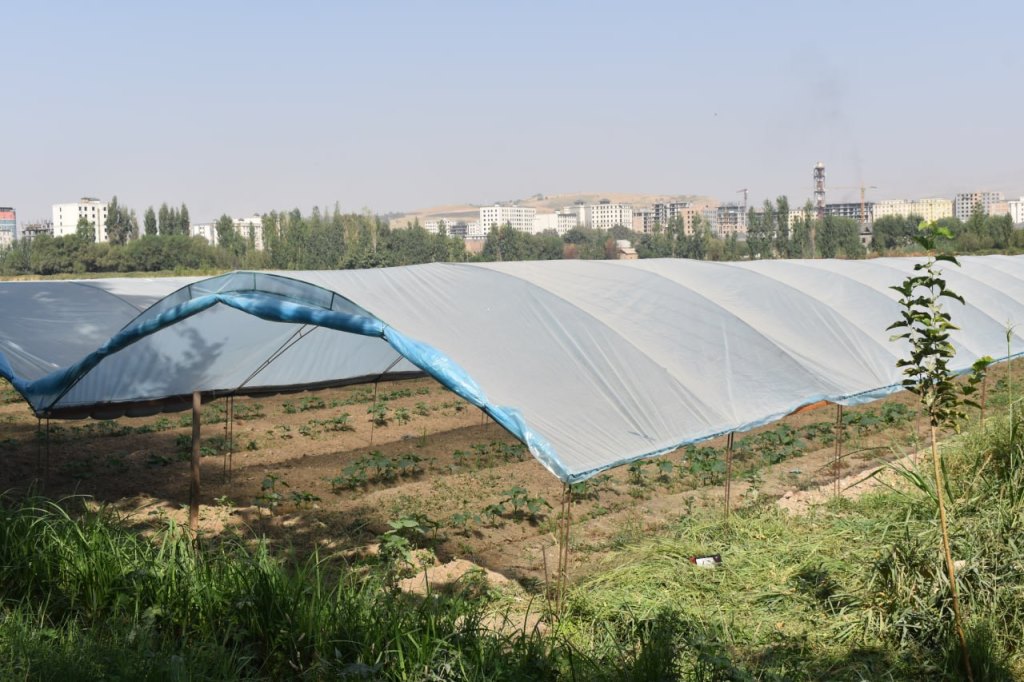
"The leaves get covered with dust and stop breathing, – Galatmo says. To protect the plants, we cover them with a film or grow them under greenhouses."
This minimizes damage from dust and heat, but the cost of protecting and preserving crops is getting higher.
Dust, heat, and bee problems
The Dehkan farm "Usto Murod" also has its own apiary. Dust storms and hot summers also make beekeeping difficult.
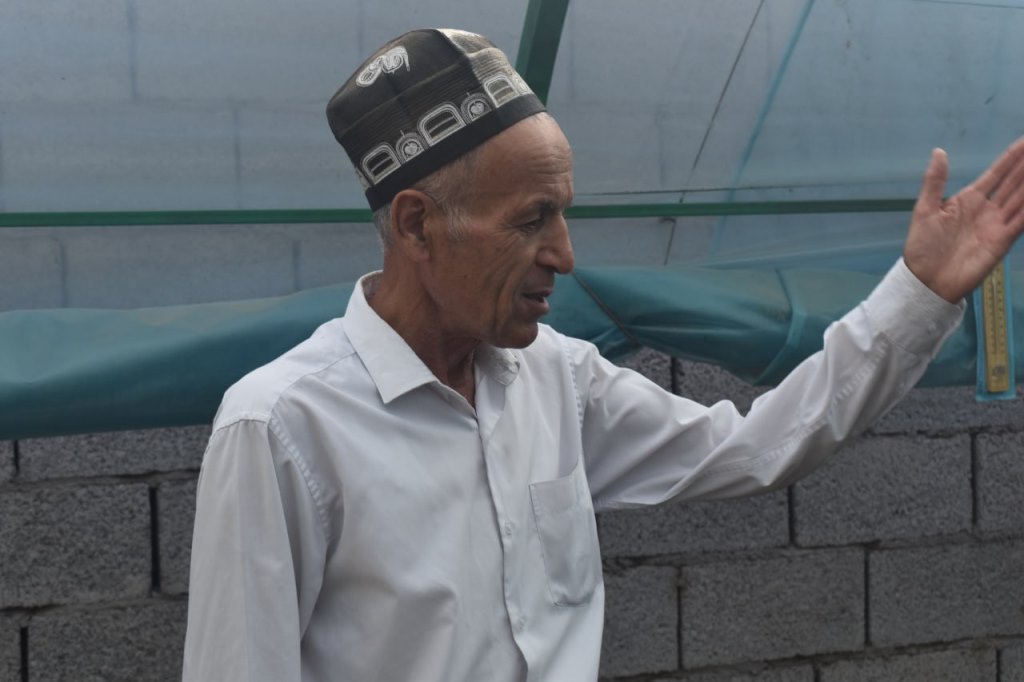
Mirali – Galatmo’s husband, who has been involved with bees since childhood, says that bees cannot collect nectar because flowers fade quickly and dust covers the plants. The honey harvest has dropped fourfold.
"Previously, we used to take 20-25 kg of honey from one hive, but this year – only 4-5 kg," – complains Mirali.
Beekeeping also requires protection from dust storms. Mirali notes that it has become difficult for bees to find nectar, as it simply cannot be collected from plants covered with dust.
Biogas: benefits and savings
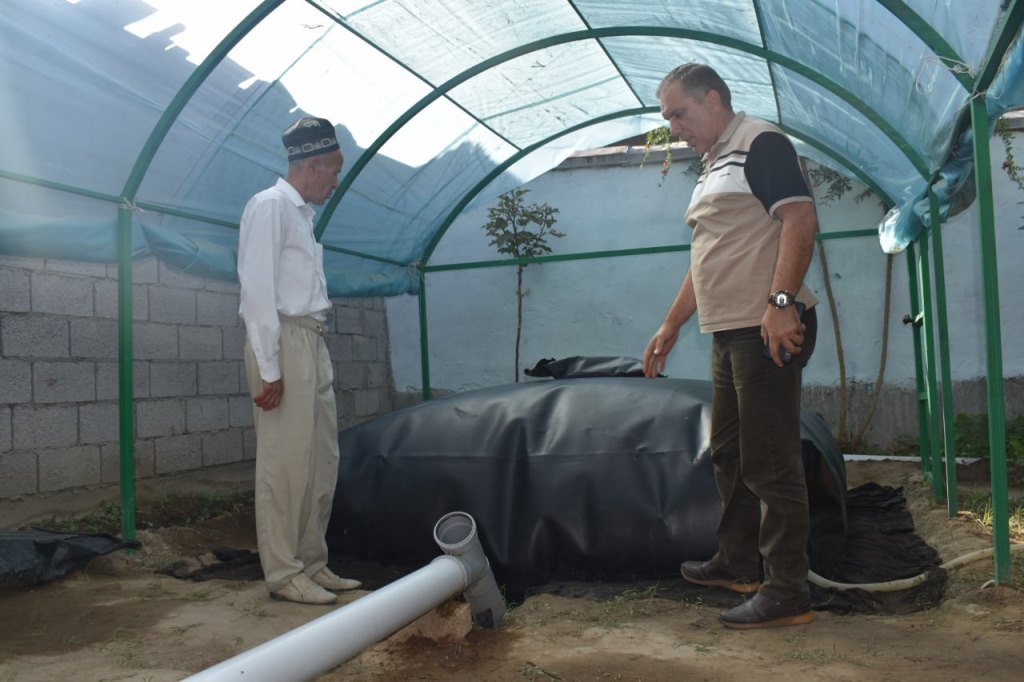
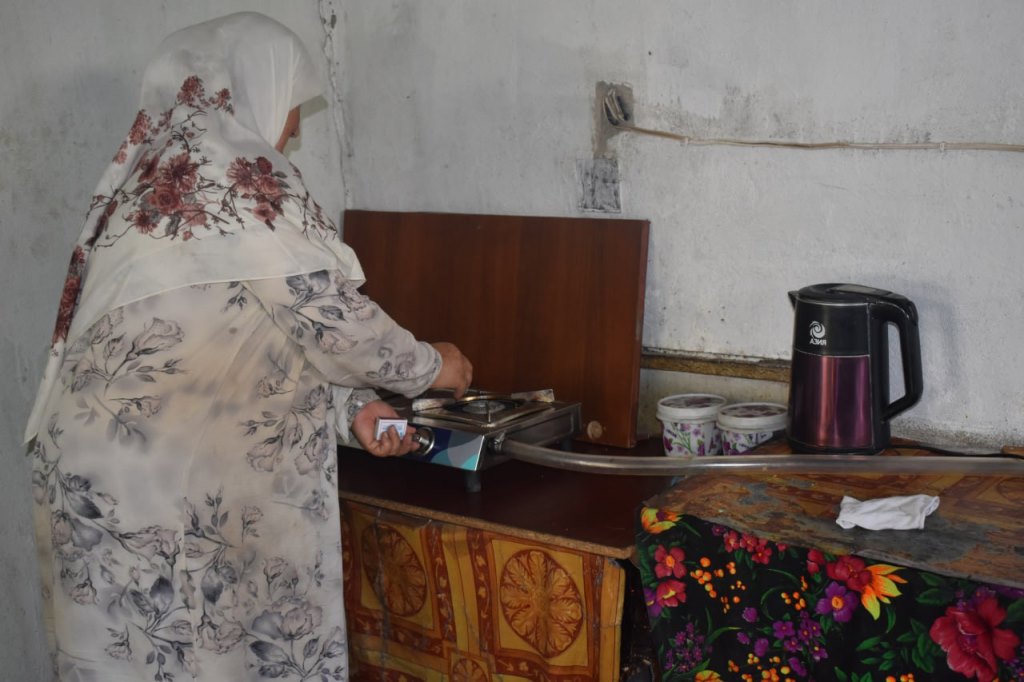
The real salvation for the family was a biogas plant installed with the support of the UNDP. Biogas saves them about 5 to 10 thousand somoni per year, and biofertilizers obtained from biogas have significantly improved the soil condition.
"Now there is no need to collect firewood or harvest manure. The gas burns cleanly, and the soil has become more fertile thanks to biofertilizers," – Galatmo rejoices.
High loans and expensive technologies
Nevertheless, high loans remain a serious obstacle to the further development of the economy.
"Our loans are at 31%. We need new technologies to adapt, but loans are too expensive," – Galatmo admits.
The family cannot afford full-fledged drip irrigation for the fields, despite its effectiveness. "The drip system is expensive. We only use it in the greenhouse for seedlings. Unfortunately, we can't afford it on the field," – explains Mirali.
Although preferential loans exist, they are extremely difficult to obtain.
"There are demands there that we farmers can't handle," – Galatmo says.
When fields turn to dust: farmers on life without water
The rapid drying of the grasses in the Adyras deprives livestock of pastures, and the scorched lands themselves become sources of dust. This closes the circle: dust storms worsen the condition of crops, and the harvest falls even more.
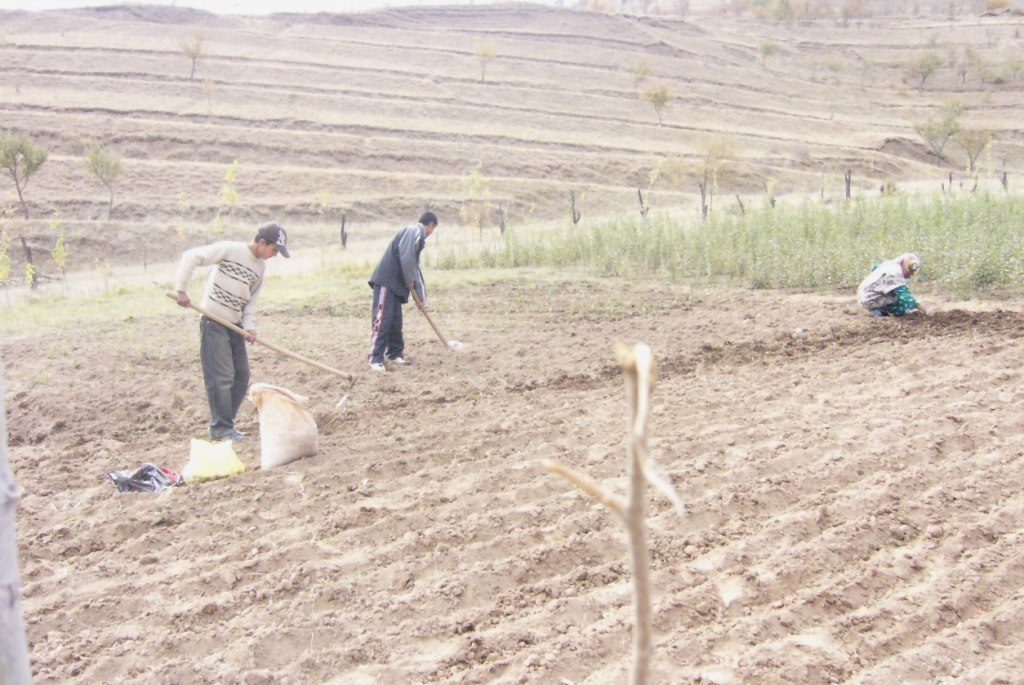
The problem of water remains one of the most acute. "I don't have irrigation," – explains Malik Akhmedov – a rain-fed farmer. I thought about installing a reservoir to collect water in the spring and distribute it to the trees, but this requires money, which is not available."
Vegetable grower Bakhtiyor is faced with another problem: there is water, but it is distributed unevenly.
"Whoever is at the source of the canal takes all the water, but it does not reach the lower farms. Due to the heat, the moisture requirements of agricultural crops have increased two to three times."
Murod Ergashev, a researcher at the Institute of Soil Science and Agrochemistry of the Academy of Agricultural Sciences of Tajikistan, notes:
"An increase in temperature and a decrease in precipitation leads to an increase in the need for irrigation water, which increases the processes of evaporation and salinization of the soil."
According to him, climate change is already changing the taste of vegetables: peppers are losing their sharpness, local tomato varieties are disappearing, and watermelons on rich lands are no longer yielding the same harvest as before.
Inaccessibility of modern technologies
Financing remains one of the main challenges. Despite the efforts of the Government and international organizations, many farmers cannot afford the necessary investments to adapt to changing climatic conditions and increase the sustainability of their farms.
The transition to more efficient irrigation methods, such as drip irrigation, remains impossible for most farmers due to the high costs of these technologies.
Yarash Pulatov, a professor at the Institute of Water Problems, Hydropower and Ecology of the Academy of Sciences, has been conducting research for more than 25 years and, together with colleagues, has developed more than 20 water conservation methods for agriculture.
According to the expert, the use of these technologies will allow farmers to increase crop yields, save water and fertilizers, and therefore maximize income. However, the implementation of such solutions requires investments of $5,000 and above, with a full payback period of at least six years.