In a move aimed at bolstering security cooperation and managing migration more effectively, Russia and Tajikistan will open official offices of their interior and migration authorities in each other’s capitals, according to a Russian government decree cited by TASS.
Under the agreement, the Russian Interior Ministry will establish a representative office in Dushanbe, while Tajikistan will open offices of its Interior Ministry and Ministry of Labor, Migration and Employment in Moscow.
The planned offices are expected to play a key role in joint efforts to combat transnational crime and drug trafficking, while also strengthening cooperation in the field of migration regulation.
According to the decree, the new offices will also provide consular-type services to citizens, including consultations on relevant legal matters and assistance in protecting their rights and interests.
Officials stationed at these representative offices—and their family members—will enjoy diplomatic privileges and immunity, and their work will be coordinated through the respective embassies of the two countries.
High-level endorsement and crime reduction trends
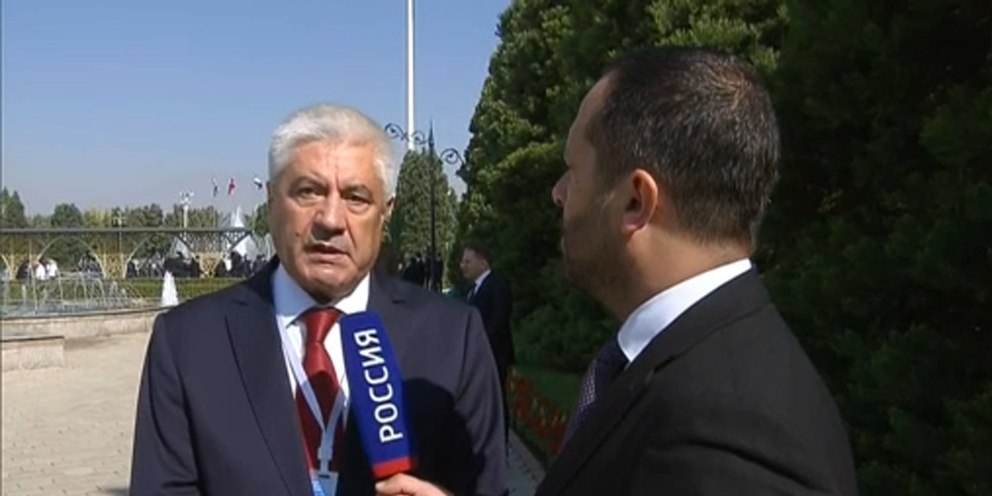
Russian Interior Minister Vladimir Kolokoltsev confirmed the establishment of the bilateral offices during a broadcast on Channel One, stating: “The Ministry of Internal Affairs of the Russian Federation will have a representative office here in Dushanbe, Tajikistan, while on their side, Tajikistan will open offices in Moscow for both their Interior Ministry and their Ministry of Labor, Migration, and Employment.”
Kolokoltsev is currently visiting Dushanbe as part of the Russian delegation accompanying President Vladimir Putin on his official state visit to Tajikistan.
The agreement will come into force following its signing by the Russian president and the completion of necessary domestic ratification procedures.
Meanwhile, Kolokoltsev noted a positive trend in crime statistics involving Tajik nationals in Russia. He reported that crimes committed by Tajik citizens have decreased by 7% over the past year, including a 2% drop in serious and especially serious offenses.
This marks the second consecutive year of decline, which Kolokoltsev attributed to targeted crime prevention strategies and close cooperation with Tajik diaspora communities in Russia.