Starting February 1, purchase rate for thermal energy in Dushanbe will increase by 17%, alongside a rise in electricity prices. The decision is stipulated in a government decree that has already been signed.
The document identifies three categories of heat energy consumers: federally funded institutions and government bodies; the municipal enterprise Dushanbe City Heating Networks; and all other consumers.
Under the decree, the purchase price of thermal energy from producers—Dushanbe’s combined heat and power (CHP) plants and boiler houses—will rise by 17% for all these categories beginning February 1.
As a result, Dushanbe Heating Networks, which supplies heat to the city’s residents, will purchase thermal energy from producers (CHP plants and boiler houses) at 29.8 somonis per gigacalorie (Gcal), up from the previous rate of 25.50 somonis.
The federally funded institutions will pay 173.16 somonis per Gcal, compared to 148 somoni previously, while other consumers will be charged 199.1 somonis instead of 170.20 somonis.
An official source within the Dushanbe Heating Networks told Asia-Plus that the federally funded institutions include all ministries, committees, and agencies financed from the state budget.
The Dushanbe City Heating Networks is responsible for transporting and supplying heat to households, while the category of other consumers includes private, non-budgetary, and self-financed organizations.
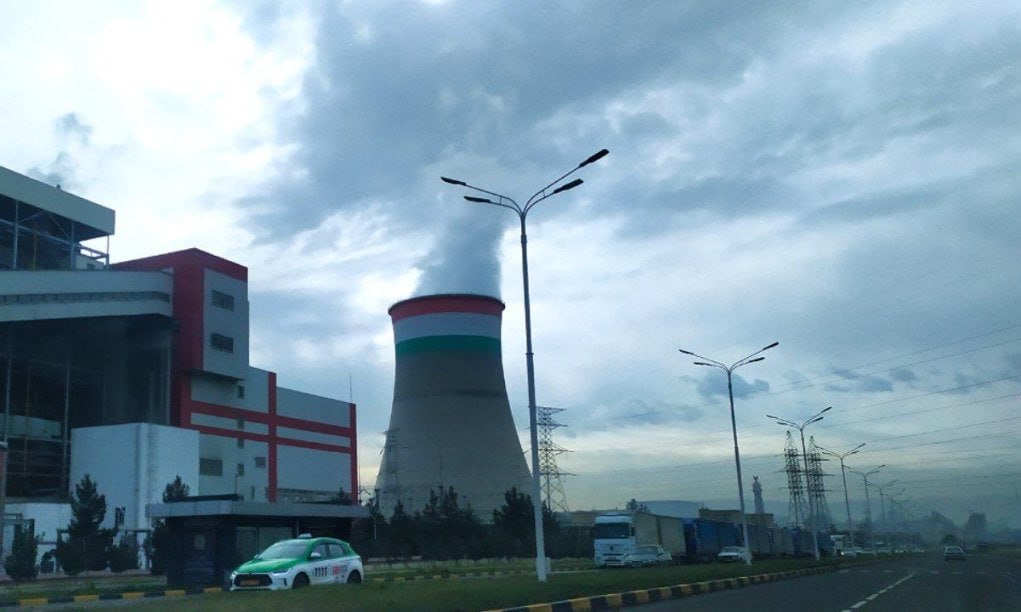
Thermal energy in Dushanbe is produced by the Dushanbe-1 and Dushanbe-2 CHP plants, as well as several boiler houses. All consumers purchase heat from these producers, after which suppliers sell it to end users, including households, at tariffs approved by the Antimonopoly Service.
In the energy sector, thermal energy is measured in gigacalories. One Gcal is required to heat 1,000 tons of water by one degree Celsius.
Will heating costs rise for residential consumers?
At the same time, the Dushanbe City Heating Networks representative told Asia-Plus that tariffs for households have not yet been increased.
“From February 1, we will be purchasing thermal energy at a 17% higher price—29.8 somonis per Gcal instead of 25.50 somonis. However, any increase in tariffs for residential consumers requires a decision by the city authorities, and no such decision has been made so far,” the source said.
Currently, residential consumers pay 1.18 somonis per month for each square meter of living space. This tariff has been in effect since 2019.
If household heating tariffs are raised by 17%, the monthly cost would increase to 1.38 somonis per square meter.
It is also noted that between 2020 and 2024, tariffs for thermal energy for heating networks, budget institutions, and other consumers remained unchanged. In 2025, the purchase price of heat increased by 50%, but household tariffs were not affected.
The heating season in Tajikistan typically begins in mid-November and lasts until mid-March. Authorities say the tariff increase is necessary to ensure the stable operation of heat supply enterprises and to cover rising production costs.